U.S. Court Delays Sentencing of Nikhil Gupta in Attempted Assassination of Khalistani Activist
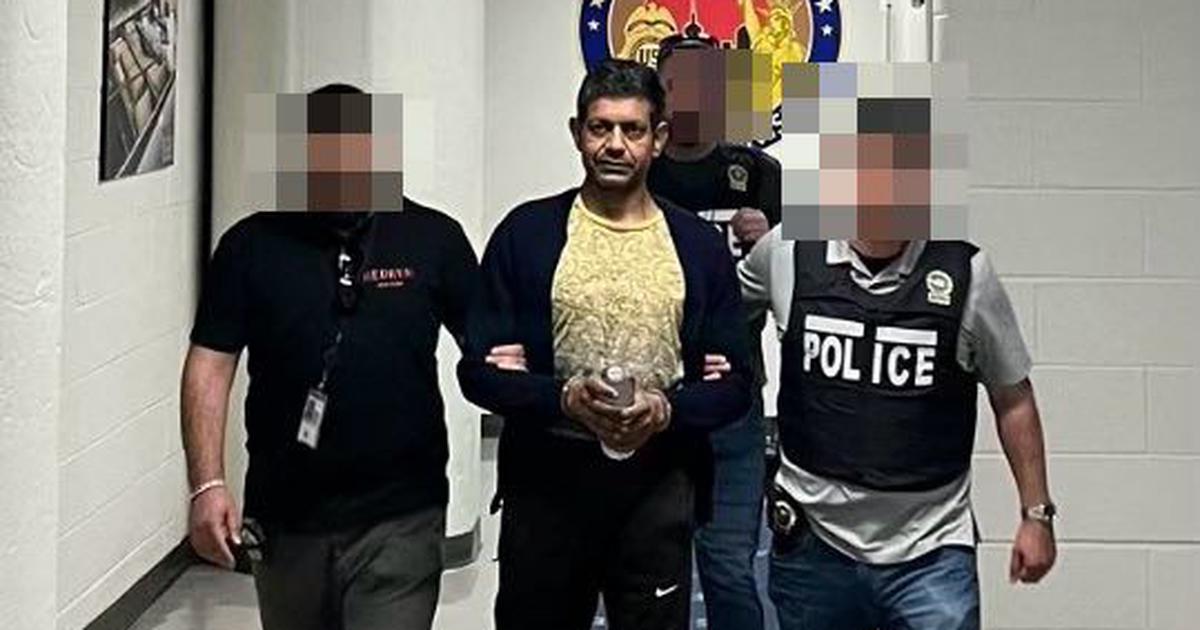
A U.S. district court in New York has postponed the sentencing of Nikhil Gupta, who pleaded guilty to his involvement in a failed assassination plot against Gurpatwant Singh Pannun, a prominent Sikh activist and leader of the Khalistan movement. Originally scheduled for May 29, Gupta’s sentencing is now set for September 25 following a request for an adjournment that was granted by the court in April.
Gupta, a 54-year-old Indian national, faces at least 19 years in prison. The U.S. Attorney’s Office revealed earlier this year that Gupta had admitted guilt in what prosecutors described as a “murder-for-hire scheme.” This alleged plot was reportedly orchestrated by an employee of the Indian government’s cabinet secretariat, linked to India’s foreign intelligence agency, the Research and Analysis Wing (RAW).
Prosecutors claim that Gupta was enlisted to arrange for Pannun’s assassination in New York in 2023, asserting that he is also an international trafficker of narcotics and weapons. He has been charged with three counts: murder-for-hire, conspiracy to commit murder-for-hire, and conspiracy to engage in money laundering. The serious nature of these charges highlights the increasing international tensions surrounding the Khalistan movement and its advocates.
The case has garnered significant attention, particularly due to India’s repeated denials of any involvement in the assassination plot. The Indian government has consistently maintained that such actions are not aligned with its policy and stance towards diaspora members advocating for Khalistan. This denial adds a layer of complexity to the narrative, raising questions about government actions and foreign relations.
The plot allegedly originated in May 2023, as details of Gupta’s activities came to light. With the Khalistan movement remaining a contentious issue, particularly among Indian authorities, the implications of this case extend beyond Gupta himself. It marks a critical moment in the ongoing dialogue regarding security and activism within the Sikh community, both in India and abroad.