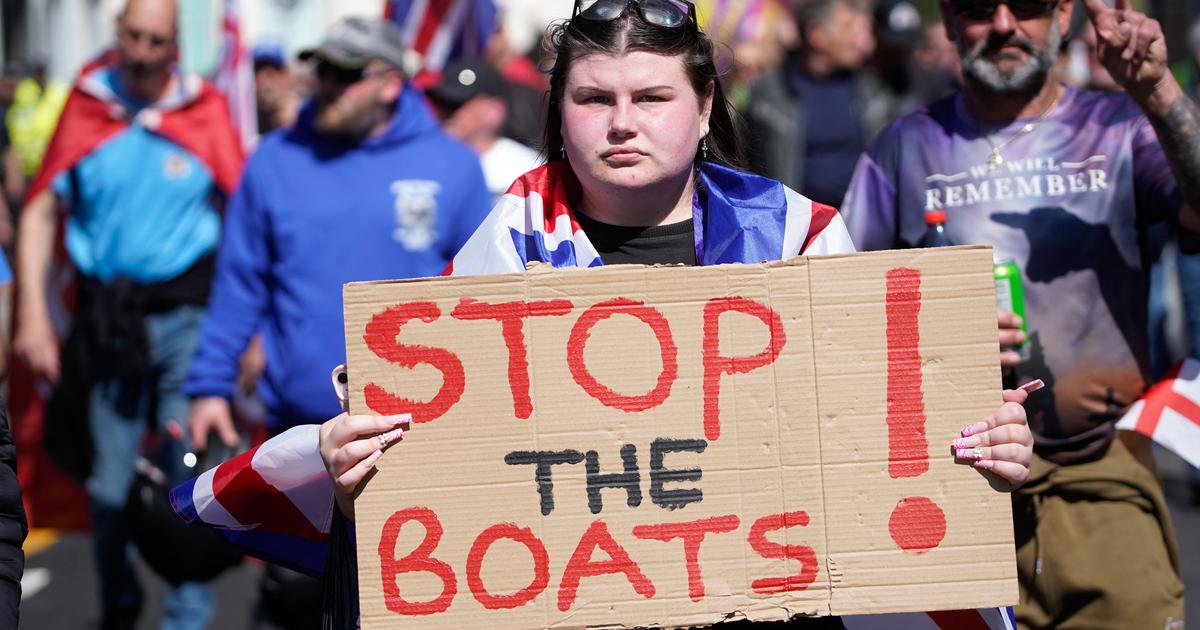
The United Kingdom is experiencing a notable reduction in net migration, with recent statistics revealing that the figure has fallen to its lowest level since 2012, excluding the years impacted by the COVID-19 pandemic. This decline comes amidst various government policies aimed at controlling immigration, reflecting a shift in public sentiment regarding migration.
Data released by the Office for National Statistics and the Home Office highlights key trends in the UK’s immigration landscape, including changes in visa regulations, small boat arrivals, and the overall usage of asylum hotels. Notably, the net migration figure has plummeted to 171,000 in 2025, marking a substantial decrease of around 50% from the previous year and an astonishing 82% drop from the peak witnessed in early 2023.
This downturn largely stems from a reduction in the influx of workers and family members of international students, a shift that has followed the implementation of several restrictive immigration policies by the previous Conservative government. While the earlier administration had momentarily loosened immigration controls under Boris Johnson, the current Labour government has not only retained these policies but has also introduced additional measures aimed at limiting immigration.
Interestingly, while economic migrants, who typically contribute positively to the UK economy, have seen a downturn, the situation surrounding asylum seekers has been quite different. Numbers in this category have remained stable, indicating that the complexities surrounding asylum applications and the refugee crisis continue to pose challenges for the UK government.
This situation invites reflection on the broader implications of migration policies and public sentiment towards immigrants. As India maintains a growing diaspora in the UK, the impact of these changes is pertinent not just for the UK but also for Indian citizens considering opportunities abroad. With the UK traditionally viewed as a land of opportunity for many Indians, the tightening of immigration regulations may prompt a reevaluation of aspirations among prospective migrants.
As the UK grapples with these figures, it emphasizes the need for a balanced approach to immigration that considers both economic contributions and humanitarian obligations. The unfolding migration narrative continues to be a critical issue, influencing public policy and societal attitudes in the UK and beyond.