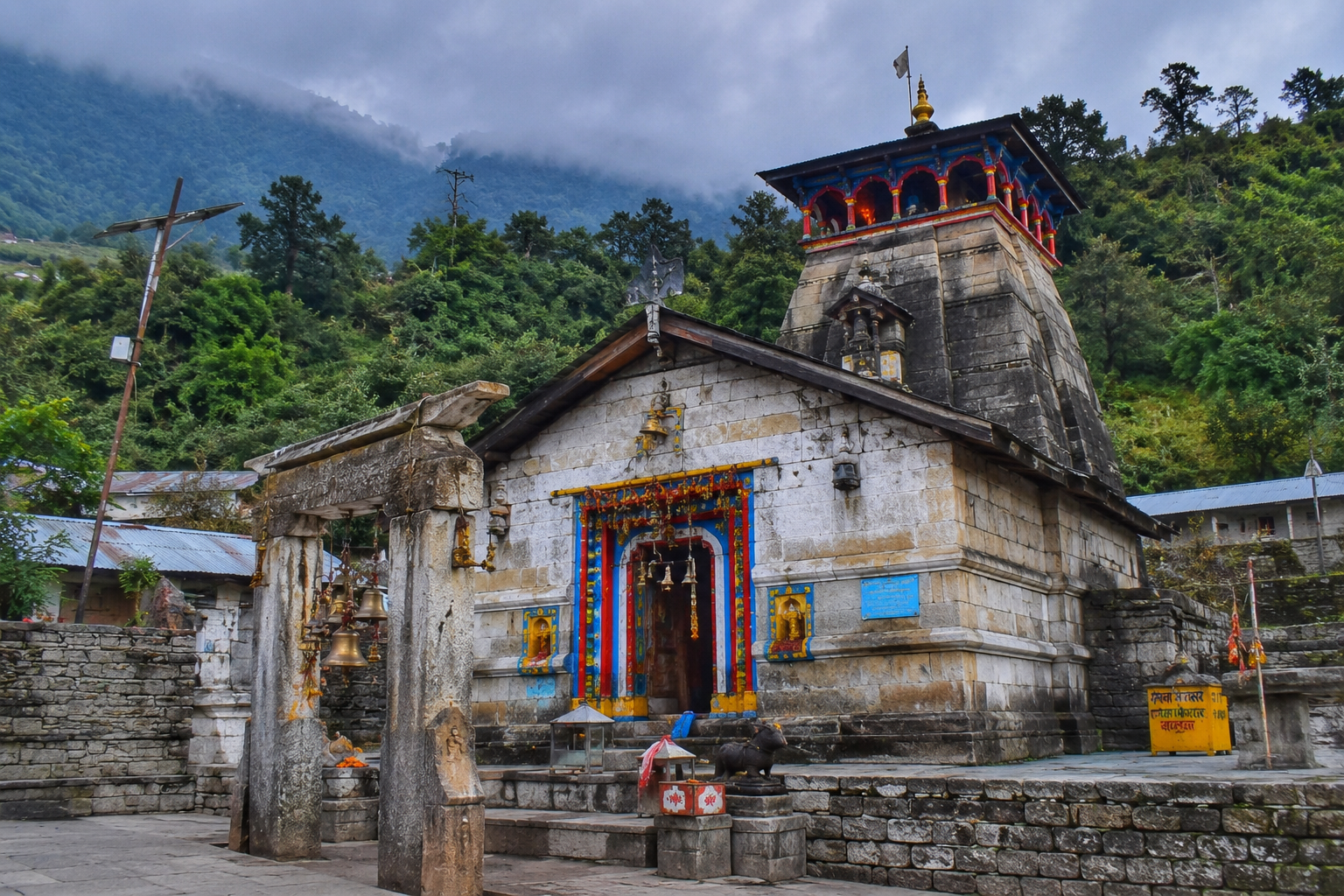
In the heart of the Suru valley, the quaint village of Styankyung enchants visitors with its rugged beauty and rich cultural heritage. Surrounded by lush greenery, with towering oak, poplar, and myricaria trees, this picturesque area is framed by the serene flow of the Suru River, known locally as Kartse Lungma. This river weaves through the landscape, providing a tranquil backdrop that reflects the peaceful essence of the region.
As the sun sets, the majestic peaks of Nun-Kun, the tallest in Ladakh, cast a warm orange glow over the valley, reminiscent of sweet marmalade. The expansive boulder fields that lie scattered throughout the village have started to capture the attention of climbers and boulderers alike, revealing a hidden gem for adventurers looking for thrill in the high-altitude terrain.
Among the many families that have called Styankyung home for generations, the Ibrahim family stands out, deeply rooted in agriculture and the natural rhythms of their surroundings. Muhammad Ibrahim, a respected elder of the village, embodies the spirit of resilience and tradition that characterizes the Kargili way of life. His household reflects a warm, welcoming environment, particularly in the kitchen, where the heart of Kargili culture beats strong.
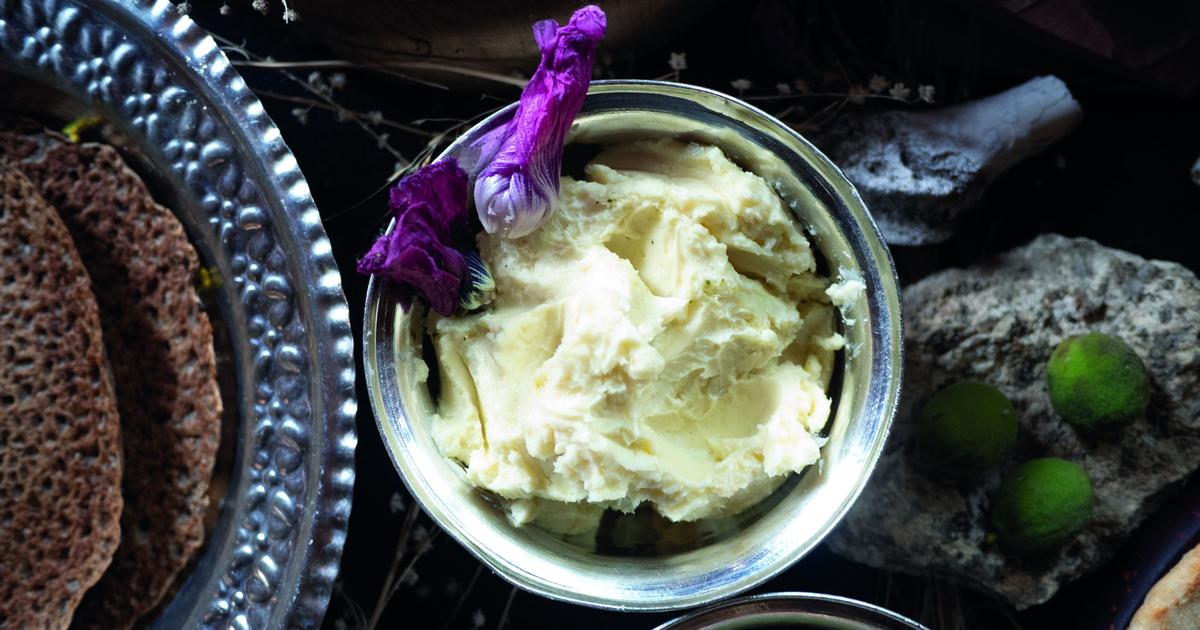
On a mild morning, while the world outside begins to stir, Nargis, Muhammad’s wife, meticulously prepares an array of dishes that represent the culinary heritage of Kargil. The kitchen, often the heart of every Kargili home, becomes a hub of activity as Nargis prepares a feast that showcases the region’s unique ingredients and flavors.
The food is not merely sustenance but a vital thread in the fabric of Kargili community life, reflecting the region’s history and the endurance of its people. Dishes made from marzan, a type of wild green found in the region, highlight the connection between the land and its inhabitants, symbolizing both the nurturing and challenging aspects of life in this high-altitude paradise. Nargis’s culinary creations, deeply infused with tradition, are a testament to the resilience of Kargili cuisine that thrives even in the face of adversity.