US Strikes Iranian Radar and Drone Control Sites as Tensions Escalate Near Strait of Hormuz
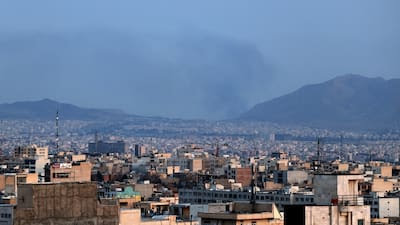
The fragile ceasefire discussions between the United States and Iran faced a fresh setback after the US military launched strikes on Iranian radar and drone control facilities located on Goruk and Qeshm Islands. The operation, described by Washington as a “self-defense strike,” marks another significant escalation in the ongoing US-Iran conflict, raising concerns about regional stability and the future of diplomatic negotiations.
The latest military action comes at a critical moment when both countries are reportedly exchanging messages aimed at extending a ceasefire agreement and ensuring safe passage through the strategically important Strait of Hormuz. However, recent attacks and counterattacks suggest that achieving lasting peace remains a difficult challenge.
US Launches Self-Defense Strikes on Iranian Targets
According to the US Central Command (CENTCOM), American fighter aircraft conducted precision strikes against Iranian radar installations and drone command-and-control sites over the weekend. The operation targeted facilities in Goruk and Qeshm Island, which US officials said were involved in hostile activities against American forces and assets.
CENTCOM stated that the strikes were carried out in response to the downing of an American MQ-1 Predator drone that had been operating over international waters. The US military claimed that the drone was conducting lawful operations when it was intercepted by Iranian forces.
Following the drone’s destruction, US fighter jets reportedly eliminated several Iranian military assets, including air defense systems, a ground control station, and two one-way attack drones. American officials confirmed that no US military personnel were injured during the mission.
Growing Military Confrontation in the Persian Gulf
The latest operation is part of a broader pattern of military exchanges between Washington and Tehran. Just days earlier, the two nations were involved in a series of retaliatory strikes connected to military activities near the Strait of Hormuz, one of the world’s most important shipping routes.
A Washington official had previously indicated that US forces targeted an Iranian drone operation in the region. In response, Iran reportedly launched attacks against a US-linked military installation, further escalating tensions in the Persian Gulf.
The continued exchange of military actions has increased concerns among regional governments and international observers who fear that miscalculations could trigger a larger conflict affecting global energy supplies and maritime security.
Iran Claims Retaliatory Action Against US-Linked Airbase
Iran’s response to the latest developments came through statements attributed to the Islamic Revolutionary Guard Corps (IRGC). According to reports carried by Iran’s Fars News Agency, Iranian forces launched a retaliatory strike after what Tehran described as an American attack on a communications tower located on Sirik Island in Hormozgan Province.
The IRGC claimed that its Aerospace Force targeted the airbase from which the alleged US operation originated. Iranian officials stated that designated targets were successfully destroyed, although they did not provide detailed information regarding the location of the base.
Regional reports suggest that the attack may have been linked to military facilities associated with Kuwait, though official confirmation remains limited.
Kuwait Intercepts Incoming Drones and Missiles
The growing conflict also affected neighboring countries. Kuwaiti authorities reported that their air defense systems were activated early Monday morning after detecting incoming drone and missile threats.
Military defenses reportedly intercepted several aerial targets before they could reach their intended destinations. While no group immediately claimed responsibility for the attack, analysts believe it was likely linked to Iran or Iran-backed militia groups operating in Iraq.
The incident highlights the wider regional impact of the ongoing confrontation and underscores concerns that neighboring nations could become increasingly involved if tensions continue to rise.
Diplomatic Efforts Continue Despite Rising Tensions
Despite the military escalation, diplomatic channels between Washington and Tehran remain active. Iranian Foreign Minister Abbas Araghchi recently stated that Iran continues to exchange messages with the United States regarding a potential agreement aimed at ending hostilities and preserving regional stability.
His comments followed reports suggesting that President Donald Trump is seeking tougher conditions within a preliminary framework being discussed between the two sides. Negotiators are reportedly exploring options to strengthen the ceasefire while ensuring security in the Strait of Hormuz, a vital corridor for global oil shipments.
The future of these talks remains uncertain as both nations balance diplomatic engagement with ongoing military operations.
Impact on Regional Security and Global Markets
The renewed confrontation between the United States and Iran has significant implications for regional security and international trade. Any disruption in the Strait of Hormuz could affect global energy markets, as a substantial portion of the world’s oil exports passes through the waterway.
Security experts warn that continued military exchanges could increase shipping risks, raise insurance costs for maritime operators, and contribute to volatility in energy prices. Regional allies are closely monitoring developments while urging both sides to avoid further escalation.
What Happens Next?
As military actions continue alongside diplomatic discussions, the coming days are expected to be crucial for the future of US-Iran relations. The success of ongoing negotiations will likely determine whether the two countries can prevent a broader conflict or move toward a more stable ceasefire arrangement.
While both Washington and Tehran continue to defend their actions as necessary responses to perceived threats, the international community remains focused on efforts to reduce tensions and protect stability in the Persian Gulf region.
Conclusion
The latest US strikes on Iranian radar and drone control sites have intensified an already volatile situation in the Middle East. Although diplomatic talks remain underway, continued military exchanges between the two countries threaten to undermine peace efforts. With regional security, global energy markets, and international diplomacy all at stake, the outcome of ongoing negotiations will be closely watched by governments and observers around the world.