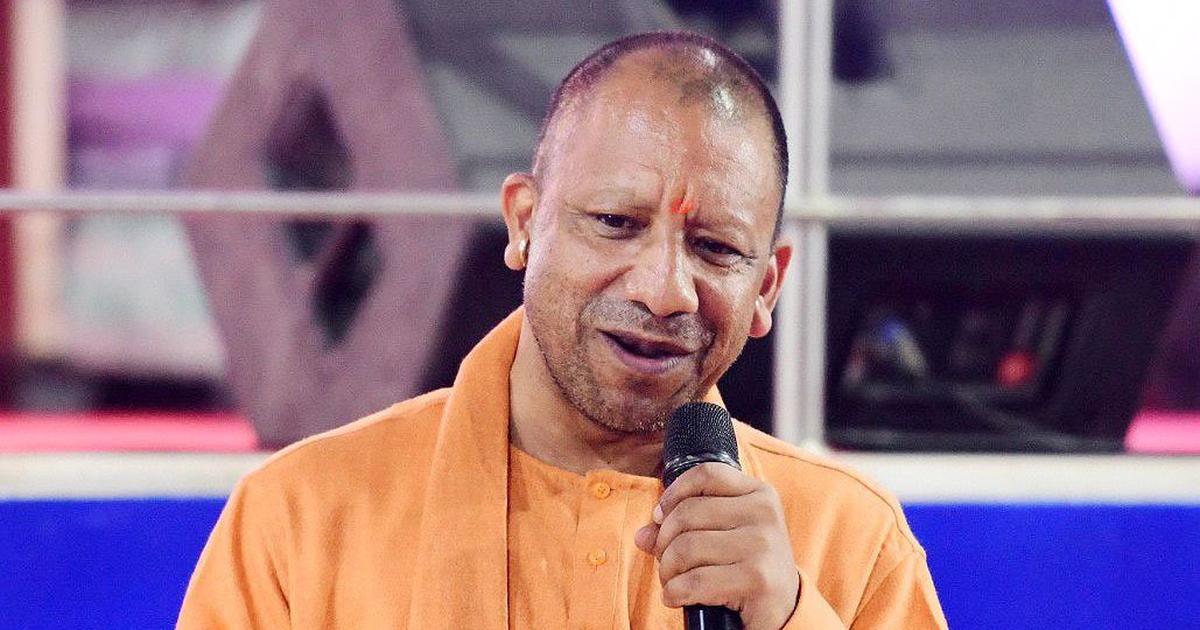
In a recent address at an event in Bijnor, Uttar Pradesh Chief Minister Yogi Adityanath firmly rejected the demands made by certain Muslim clerics to officially designate the cow as India’s national animal. Emphasizing the cultural and spiritual significance of the cow in Hindu tradition, Adityanath stated, “The cow is our mother.” He elaborated that the relationship between humans and cows transcends generations and does not require formal recognition.
The remarks came in light of a statement made by Maulana Arshad Madani, the president of Jamiat Ulama-e-Hind (Arshad Madani faction), along with the support of various Muslim organizations who claimed that declaring the cow as a national animal could help curb the political exploitation surrounding the issue of cow slaughter. This recent demand has ignited a debate among various communities in India, especially considering the longstanding and sensitive nature of cow protection laws.
Addressing the gathered audience, Adityanath pointed out the perceived hypocrisy of the demand from some clerics, who he accused of supporting cow slaughter while simultaneously advocating for the cow’s national recognition. He stated, “This reflects double standards. Our Gaumata [Mother Cow] is a self-proclaimed national mother and doesn’t need an official declaration.” The Chief Minister’s remarks underscore the BJP’s strong stance on cow protection, which has been a significant aspect of their political agenda.
The controversy surrounding cow protection laws has been a hotbed for political discourse in India for years, particularly in states like Uttar Pradesh, where the BJP holds significant power. The cow is considered sacred in Hinduism, and its slaughter is banned in several states, leading to tensions between different communities. Adityanath also warned of stern action against anyone involved in cow slaughter, reiterating the government’s commitment to uphold these protective measures.
As the debate continues, it remains to be seen how this situation will evolve. While some communities seek a balance that respects cultural sentiments, others argue for a more secular approach to animal rights. The issue is emblematic of the broader challenges faced in modern India, where diverse cultural identities often intersect with political ambitions.