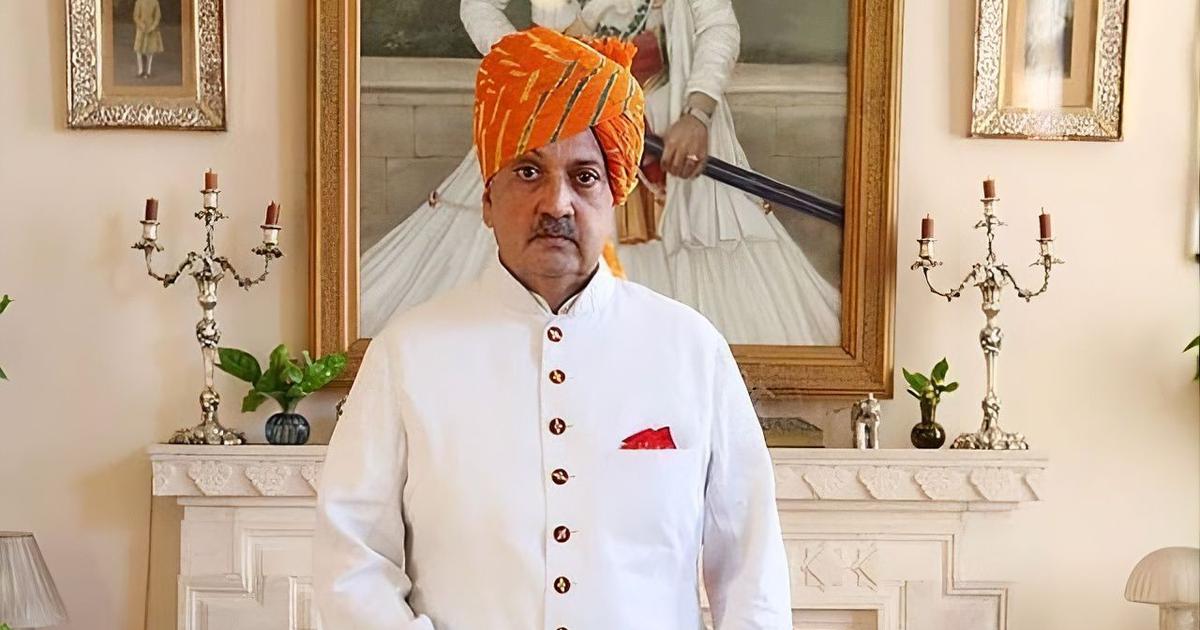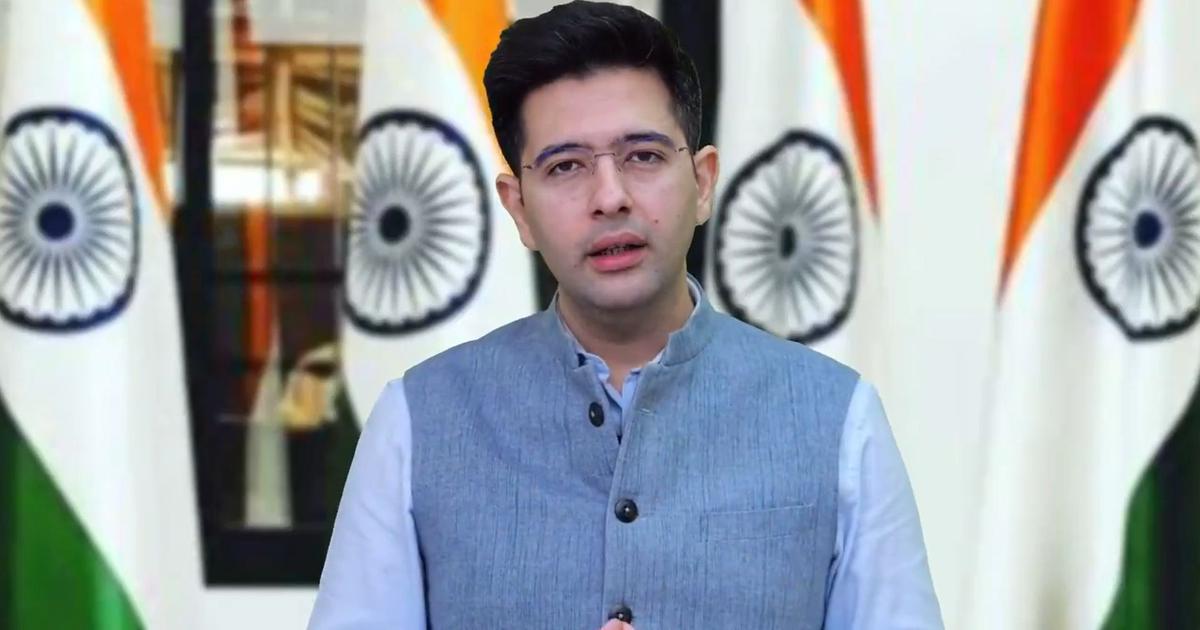
The Aam Aadmi Party (AAP) has officially requested the Rajya Sabha Secretariat to remove Raghav Chadha from his position as the deputy leader in the Upper House, according to reports from the Press Trust of India (PTI). In his place, the party has put forward the name of Ashok Mittal as a suitable replacement. This decision follows a series of events highlighting Chadha’s diminishing presence in party activities, raising eyebrows within the political landscape of Delhi.
Chadha’s recent absence has been particularly notable following a significant court ruling in February, when a Delhi court exonerated Arvind Kejriwal, the party’s national convenor, along with former Deputy Chief Minister Manish Sisodia and 21 others implicated in the controversial Delhi excise policy case. Despite the momentous occasion, Chadha refrained from issuing any statements, and his absence was felt during a press conference held by Kejriwal at the party headquarters. Additionally, he did not attend a crucial public gathering at Jantar Mantar, where Kejriwal openly criticized the Bharatiya Janata Party (BJP).
This incident is not an isolated one; Chadha has faced prior accusations of detachment from AAP’s core activities. The situation escalated when Kejriwal was arrested in connection to alleged corruption ahead of the crucial 2024 Lok Sabha elections, a circumstance during which Chadha cited recovery from eye surgery abroad as the reason for his silence. His health issues appeared to coincide with a growing distance from party affairs, leading to discontent among party members and supporters.
Interestingly, Chadha’s fate within the party took a turn just days after he applauded the government-operated Udaan Yatri cafe at Mumbai airport. The timing of his praise raised questions, particularly since the cafe is managed by a government supported by the BJP in Maharashtra. Such perceived alignments may have further fueled internal party discussions about his role and commitment to AAP’s agenda, especially as the party prepares for forthcoming electoral challenges.
At just 37 years of age, Chadha holds a significant position within AAP as a member of the Political Affairs Committee, which is the party’s principal decision-making body. His removal raises critical questions about the future direction of the AAP, as well as the leadership dynamics within the party leading into an increasingly competitive political environment. The party’s strategic moves suggest a desire to regain momentum and reassess its priorities, especially in the wake of internal and external pressures.