Academics Challenge Supreme Court Ban Over Controversial Judiciary Corruption Chapter in NCERT Textbook
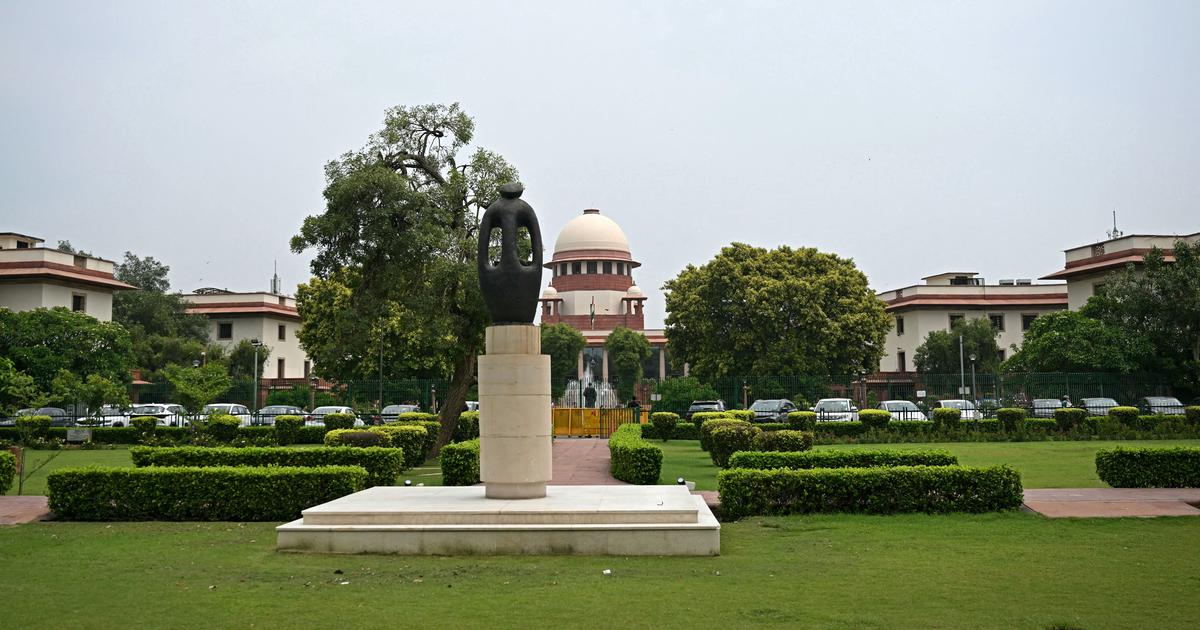
In a significant turn of events, three academics who faced a ban from engaging in all government projects due to their involvement in drafting a chapter on ‘corruption in the judiciary’ have petitioned the Supreme Court for a hearing to contest this restriction. The chapter, which was part of a Class 8 social science textbook published by the National Council of Educational Research and Training (NCERT), has been withdrawn after a public outcry and subsequent court intervention.
The academics in question—Michel Danino, Suparna Diwakar, and Alok Prasanna Kumar—have filed personal affidavits in the Supreme Court, seeking to clarify the context and intentions behind their work. They expressed that they are reputable scholars in their respective fields and possess significant credibility. This appeal comes in the backdrop of a suo motu case initiated by the Supreme Court regarding the contentious chapter, which highlighted issues of corruption within India’s judiciary.
The controversy reached a peak when the NCERT publicly apologized on March 10, acknowledging the contentious nature of the chapter and announcing the withdrawal of the entire textbook. This action followed two weeks after the Supreme Court took cognizance of the matter, resulting in a prohibition on its publication and reprinting.
According to an affidavit submitted by NCERT Director Dinesh Prasad Saklani, Michel Danino, a visiting professor, supervised the drafting of the chapter, while educators Suparna Diwakar and Alok Prasanna Kumar also played key roles in its creation. The chapter aimed to address serious issues within the judiciary, a subject that has been increasingly prominent in discussions about governance and accountability in India.
The Supreme Court, led by Chief Justice Surya Kant and Justice Joymalya Bagchi, is now faced with the task of balancing academic freedom with public sentiment and the integrity of the judicial system. The academics argue that the ban infringes on their rights and stifles important discussions about corruption, a topic that remains highly relevant in today’s political climate.
As the situation unfolds, it raises critical questions about the role of educational content in shaping young minds, particularly regarding sensitive issues like corruption in governance. The outcome of this legal challenge could not only impact the future of the involved academics but also set a precedent for how educational materials are scrutinized and the broader implications for academic freedom in India.