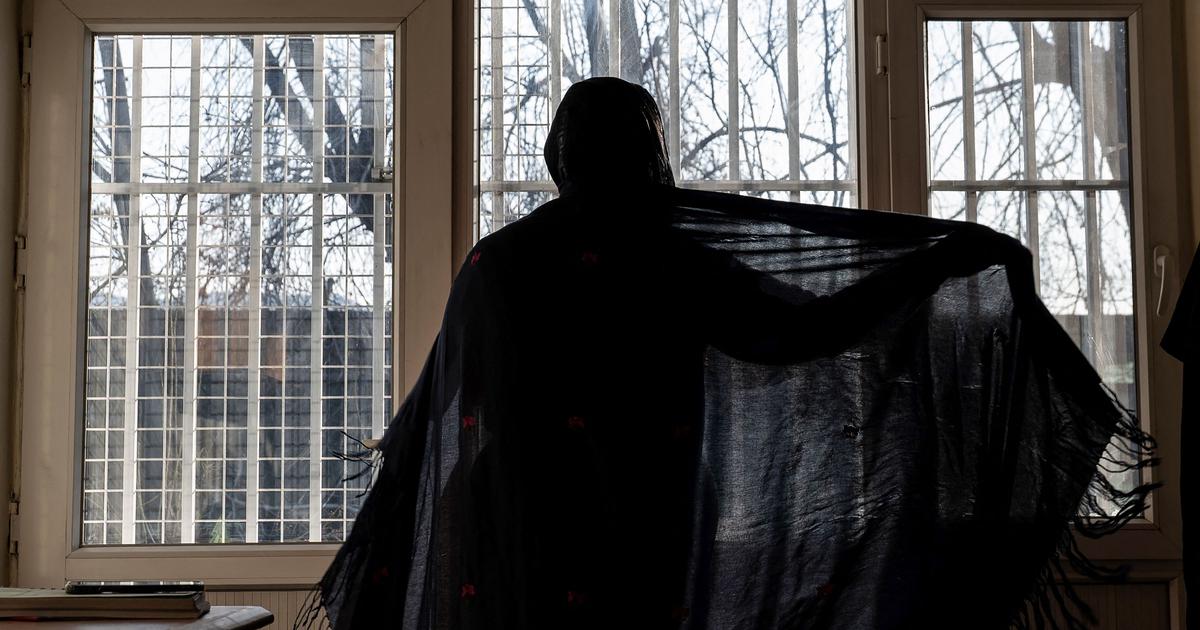
Imagine dedicating your life to education, earning a master’s degree, and inspiring countless students, only to have everything taken away overnight. This is the grim reality for many female academics in Afghanistan since the Taliban regained control in August 2021. With their return, women found the doors to education and professional careers abruptly shut, leaving them grappling with a sense of loss and helplessness.
In a series of interviews conducted through Telegram and WhatsApp, twelve Afghan women academics shared their harrowing experiences. Eight of these women remain in Afghanistan, while four have recently fled the country. Out of those still in Afghanistan, only one has managed to escape, illustrating the stark challenges faced by many. The stories they told reveal a devastating picture of resilience in the face of oppression.
The situation has stark parallels to the Taliban’s previous rule from 1996 to 2001, when women were systematically excluded from education and most jobs. The subsequent U.S.-led intervention allowed for a slow but significant improvement in women’s rights, with female university enrollment skyrocketing from a mere 5,000 in 2001 to over 100,000 by 2021. Women accounted for 28% of the student population in universities and held about 14% of academic positions. This progress, although tenuous, was a beacon of hope for many.
However, this progress has been effectively erased. By December 2022, the Taliban had imposed strict bans on women attending universities, effectively ending their higher education journey. The ban on girls’ education beyond the sixth grade has left an entire generation of Afghan women without access to education or the opportunity to build careers, plunging them into despair.
The ramifications of these restrictions are profound, affecting not only the women themselves but also the broader Afghan society. Educated women play a crucial role in any society’s development, contributing to economic growth, social stability, and cultural richness. The loss of female academic voices is a significant setback for Afghanistan, which desperately needs educated leaders to help guide the nation towards a better future.
As Afghan women academics continue to voice their struggles, the international community remains concerned about the erosion of rights in Afghanistan. Advocacy groups are calling for a united stand against the Taliban’s oppressive policies, emphasizing the necessity of women’s education as a fundamental human right. Many hope that the plight of these women will galvanize action and support from across the globe, helping to restore some semblance of normalcy in a country that has faced decades of turmoil.
In conclusion, the situation for Afghan women academics is dire, and the implications of their exclusion from education and employment extend far beyond individual hardship. It poses a threat to the very fabric of Afghan society, calling for urgent intervention and international attention to ensure that their voices are not silenced forever.