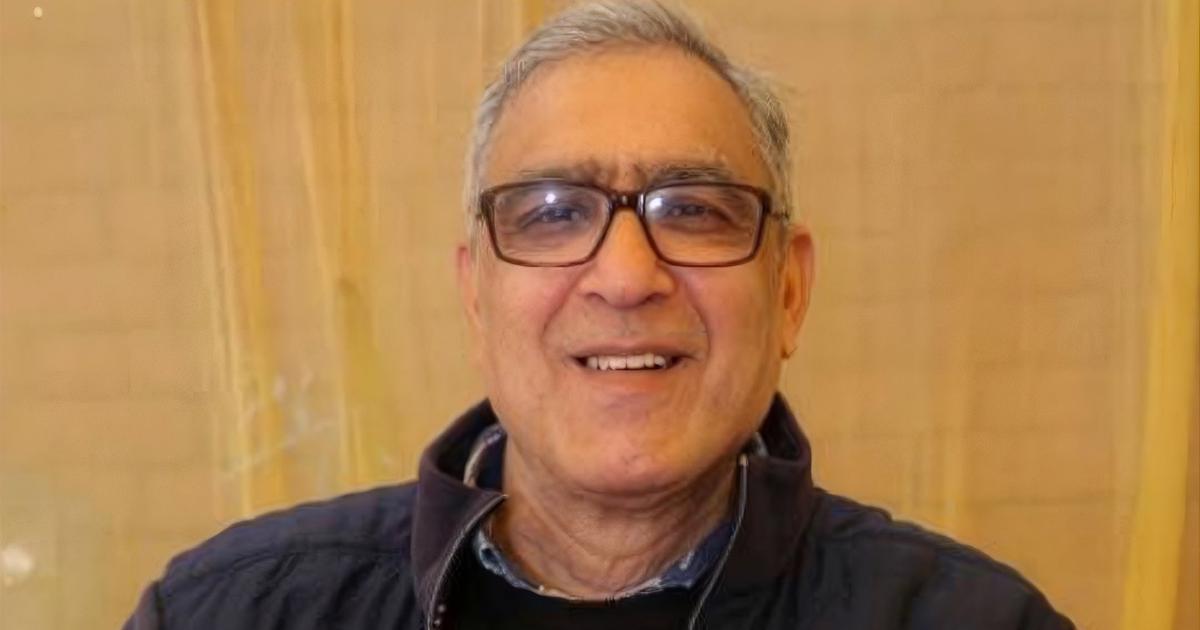
The literary world is abuzz with a groundbreaking revelation: Jamir Nazir’s short story, “The Serpent in the Grove,” has emerged victorious in the Trinidad and Tobago region of the Commonwealth Short Story Prize 2026. However, the real intrigue lies not merely in the accolade itself, but in the growing suspicion that this story may have been crafted by an artificial intelligence (AI) using a Large Language Model (LLM). What does this mean for the future of literature and the very essence of writing?
The essence of the debate has transitioned from questioning the legitimacy of whether an AI could produce a narrative worthy of recognition to pondering the implications of an LLM-authored work actually impressing a panel of literary judges. This raises profound questions about the nature of creativity and the role of human experience in storytelling. If a machine can compose stories that resonate deeply with audiences, the traditional notion of the human touch in literature may face unprecedented challenges.
In recent years, the landscape of literary critique has evolved significantly, and the emergence of AI in creative writing adds another layer of complexity. The Commonwealth Short Story Prize, which has seen its five regional winners published in the prestigious literary magazine Granta, has become a platform for exploring new boundaries in narrative art. Interestingly, it was writer and researcher Nabeel S Qureshi who first alerted the literary community to the possibility that Nazir’s story may have originated, at least in part, from an AI algorithm.
This allegation has sparked a lively discourse about the definition of authorship and the criteria for literary acclaim. As technology advances, the line between human and machine-generated creativity blurs, prompting readers and critics alike to reconsider their benchmarks for quality and artistry. The implications extend beyond literary honors; they challenge the fundamental assumptions about what constitutes genuine artistic expression.
As we navigate this new terrain, it is essential to reflect on the broader cultural ramifications of AI’s involvement in literature. Will readers accept narratives birthed from algorithms as valid forms of storytelling? Can a machine replicate the nuance and emotional depth that human writers intuitively bring to their work? These questions are crucial as we forge ahead into an era where the potential for AI to shape narratives is becoming increasingly realistic. For Indian readers, this discourse resonates deeply, considering the rich tapestry of stories woven into the country’s heritage.
Thus, as we stand at this crossroads, it is vital to engage in constructive dialogues about the role of AI in creative industries. The future may hold extraordinary possibilities, where human and machine collaboration could lead to innovative forms of storytelling. Understanding and adapting to these changes could redefine literary landscapes, not just in India but globally. The implications of AI in literature might be vast, but they also provide an opportunity for us to rethink our appreciation for storytelling, art, and creativity in this brave new world.