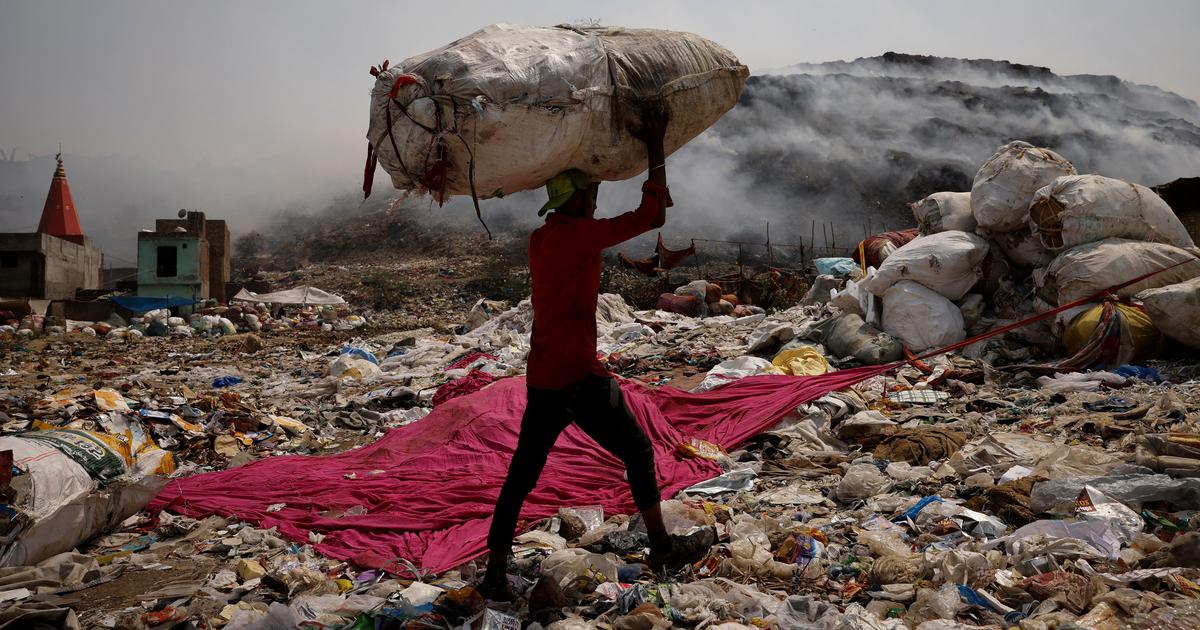
The conversation around climate change often gets lost in grand rhetoric and high-profile international conferences, while the reality of environmental degradation intensifies. A plethora of ambitious decarbonization commitments make headlines, yet the Earth’s ecosystems continue to face serious threats. This top-down approach to climate solutions overlooks a crucial reality: environmental decline is ultimately driven by the cumulative impact of billions of everyday economic choices made by individuals.
One country epitomizing this struggle is Bangladesh, which finds itself on the frontlines of climate change. The World Bank has reported that pollution in the nation is responsible for approximately 272,000 premature deaths each year. As various stakeholders, including government agencies, NGOs, and universities, grapple with complex systemic reforms, it is essential to recognize that the path to environmental stewardship cannot be solely entrusted to institutional frameworks. Instead, a vital connection must be established between overarching economic policies and the individual actions that manifest those policies.
At the heart of resource management lies a simple yet powerful principle: reduce, reuse, and recycle. This triad not only promotes resource efficiency but also encourages a shift in consumer behavior away from wastefulness. By minimizing unnecessary consumption and extending the lifespan of goods, communities can relieve some of the burden on primary natural resources. Transforming waste into valuable industrial inputs enables a transition from the traditional linear economy—which relies on the cycle of extraction, production, and disposal—to a more sustainable circular economy model.
This transition is not merely a theoretical ideal; it is supported by tangible industrial policies, as evidenced by Germany’s successful circular economy initiatives. Such policies have demonstrated that with the right incentives and frameworks in place, it is possible to create a more sustainable system that benefits both the economy and the environment. For India, which is grappling with its own environmental challenges, adopting similar strategies could prove invaluable in addressing local issues while contributing to global climate goals.
The integration of local human incentives into climate policy is not just a necessity; it is a moral imperative. The future of our planet depends not only on the lofty ambitions of global leaders but also on how effectively these policies resonate with the daily lives of citizens. For nations like India, where a significant portion of the population depends on natural resources for their livelihoods, understanding and incentivizing individual responsibility towards resource management will be crucial. By empowering people to make environmentally conscious decisions, we can ignite a grassroots movement that complements global efforts and fosters a sustainable future.