Allahabad HC Steps In to Shield Muslim Man Facing Intimidation Over Namaz on Private Land
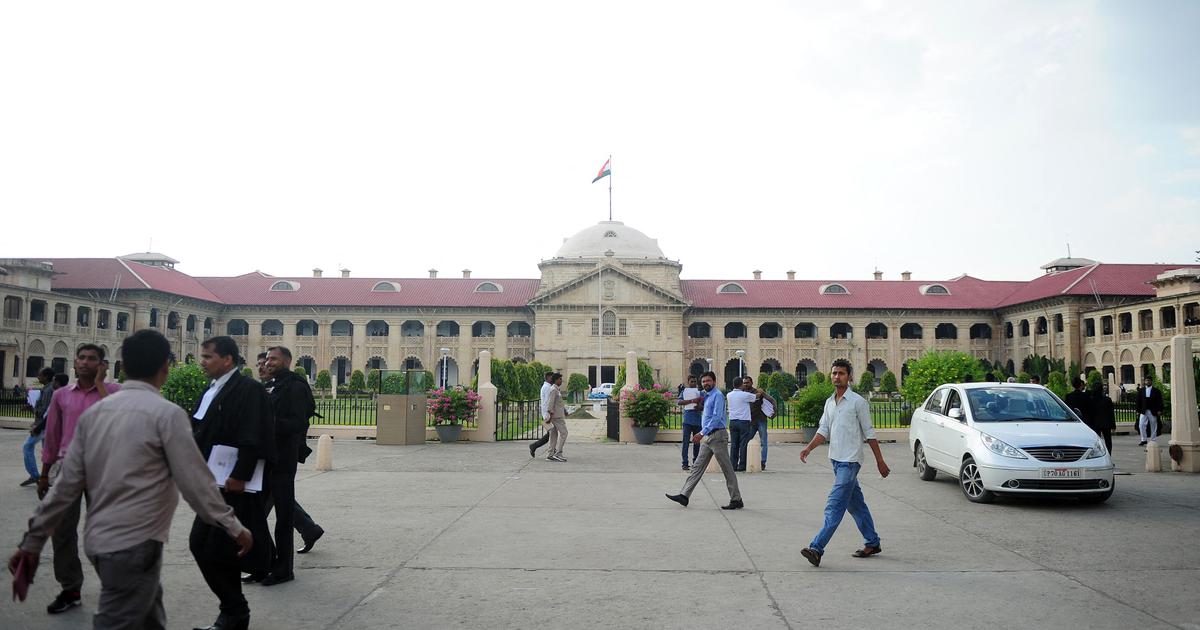
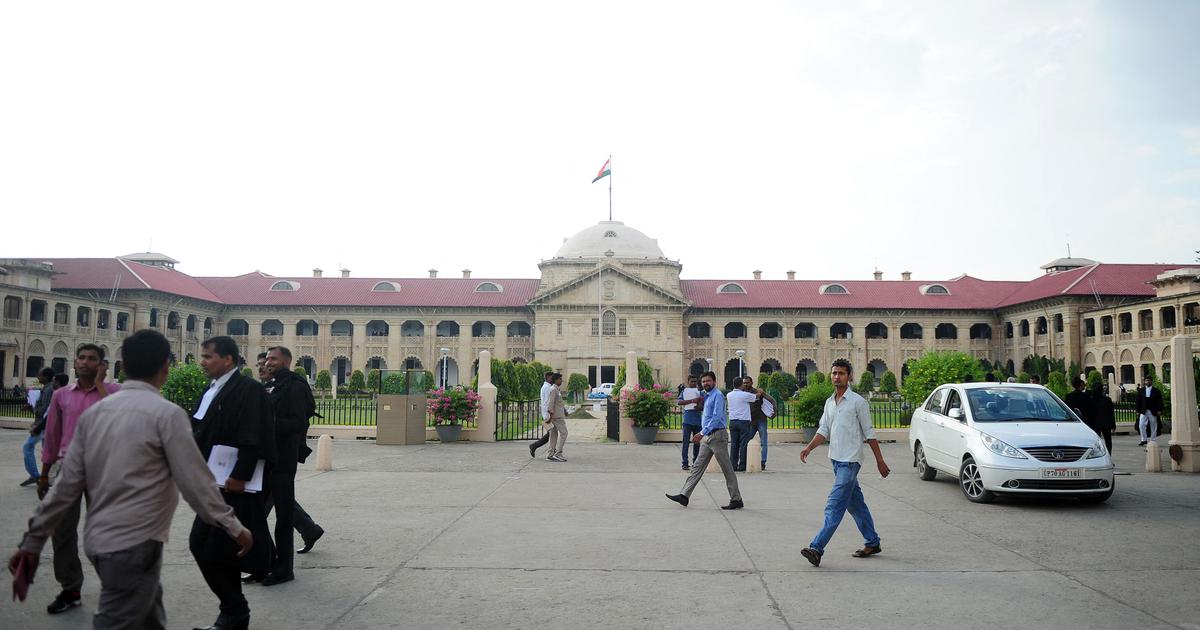
In a significant ruling, the Allahabad High Court has intervened to ensure the safety of Haseen Khan, a Muslim man in Bareilly district, who reported being obstructed from performing namaz on his privately owned property. This decision comes in light of serious allegations from Khan, who claimed that he and several others were threatened with violence, including the destruction of their property, unless they complied with certain demands.
Khan, hailing from Mohammad Ganj village, described a disturbing encounter where he was reportedly coerced into signing a document by local police without being properly informed about its contents. During the court proceedings, he expressed grave concerns for both his family’s safety and the security of his property, prompting him to seek judicial protection.
Responding to his plea, a bench comprising Justices Atul Sreedharan and Siddharth Nandan ordered the placement of two armed security guards to ensure Khan’s safety around the clock until further notice. The court made it clear that any acts of violence directed at Khan or his property would be presumed to have occurred “at the instance of the state,” leaving room for rebuttal from authorities involved.
Interestingly, this is not the first time the Allahabad High Court has touched upon matters of religious practice on private property. Earlier in January, the court ruled that individuals do not require official permission to conduct religious prayer meetings on their own premises, underscoring the importance of personal rights in matters of faith.
As the situation unfolds, the involvement of law enforcement and the judicial system highlights the delicate balance between religious freedom and societal harmony. Observers are keen to see how this case progresses and what implications it may have for similar issues in the future.