Allahabad High Court Maintains Stay on FIR Against Police Officers in Sambhal Violence Case
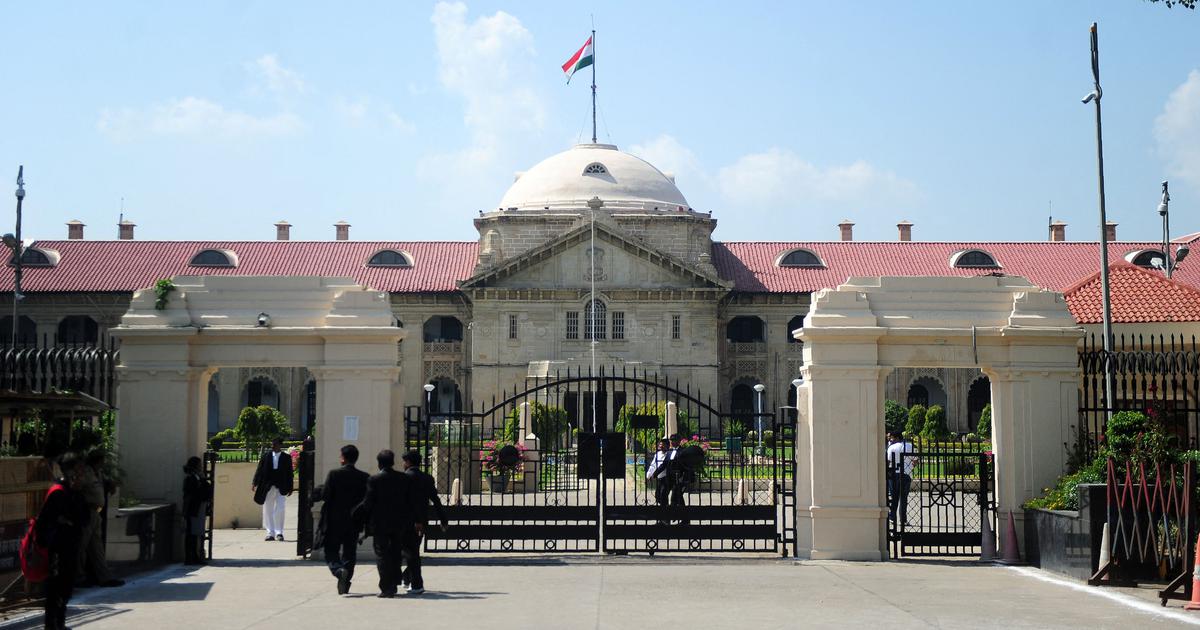
The Allahabad High Court has once again extended the interim stay on the order from the Sambhal chief judicial magistrate, which mandated the filing of a FIR against multiple police officials following the violent clashes in Sambhal in November 2024. This recent decision was reported on Tuesday, and it continues to keep the spotlight on the controversial incident that left the community on edge.
In January, Chief Judicial Magistrate Vibhanshu Sudheer had ordered the registration of a case against Additional Superintendent of Police Anuj Chaudhary, Inspector Anuj Tomar, along with 15 to 20 unidentified officers linked to the violence that erupted during a community protest. The unrest was ignited when a group of Muslims opposed a survey ordered by a trial court concerning the Shahi Jama Masjid, which was purportedly built by Mughal emperor Babar in 1526 over the site of an ancient temple devoted to Lord Kalki.
The violence escalated dramatically, resulting in the tragic deaths of five individuals and injuries to others, including a man named Alam, who was reported to have been shot during the chaos. Eyewitness accounts suggest that he was struck by police gunfire while on his way to sell rusks, as recounted by his father, Yameen. The allegations surrounding this incident have sparked a significant outcry against the police’s handling of the situation.
At the time of the incident, Anuj Chaudhary was serving as the circle officer in Sambhal, and the implications of the court’s orders have resonated throughout the community. The High Court’s decision to maintain the stay reflects the ongoing legal complexities surrounding the case and the sensitive nature of the tensions within the region. With the stakes high, both community leaders and legal experts are closely monitoring the developments.
This ongoing situation in Sambhal is emblematic of larger societal issues regarding communal tensions in India. As the judiciary navigates through these murky waters, the expectations from both the public and law enforcement are intensifying. The court’s next steps could set a precedent for how similar cases are handled in the future.