America–Israel–Iraq Conflict: Rising Tensions Could Shake India’s Economy and Fuel Price Surge
Introduction-
Escalating geopolitical tensions in the Middle East have once again raised concerns across global markets. The growing America Israel war with Iraq scenario has begun attracting worldwide attention, not only due to the humanitarian and security implications but also because of its potential economic ripple effects. For a country like India, which heavily depends on imported energy resources, any instability in the Middle East can quickly translate into higher fuel prices, inflationary pressure, and economic uncertainty.
As global investors monitor developments closely, policymakers in India are also evaluating how this conflict could influence the nation’s trade balance, energy security, and long-term economic stability. The evolving situation highlights how interconnected global economies have become, where conflicts thousands of kilometers away can directly affect the daily lives of millions of Indians.
Background: Why the Conflict Matters Globally
The Middle East has long remained one of the most geopolitically sensitive regions in the world. Historical rivalries, strategic alliances, and the region’s enormous oil reserves make any conflict there a matter of global concern. In the emerging America Israel war with Iraq, tensions are rooted in political disagreements, regional power struggles, and security concerns involving military activities and alliances.
For decades, the United States and Israel have maintained strong strategic ties, while Iraq has remained a key player in the region due to its political positioning and vast oil reserves. Any escalation involving these nations risks destabilizing the broader Middle East, potentially disrupting oil production and transportation routes.
Such disruptions have immediate global implications because the region supplies a significant share of the world’s crude oil. When uncertainty grows around energy supply, global oil markets react swiftly, pushing prices upward.
Key Developments and Rising Global Concerns
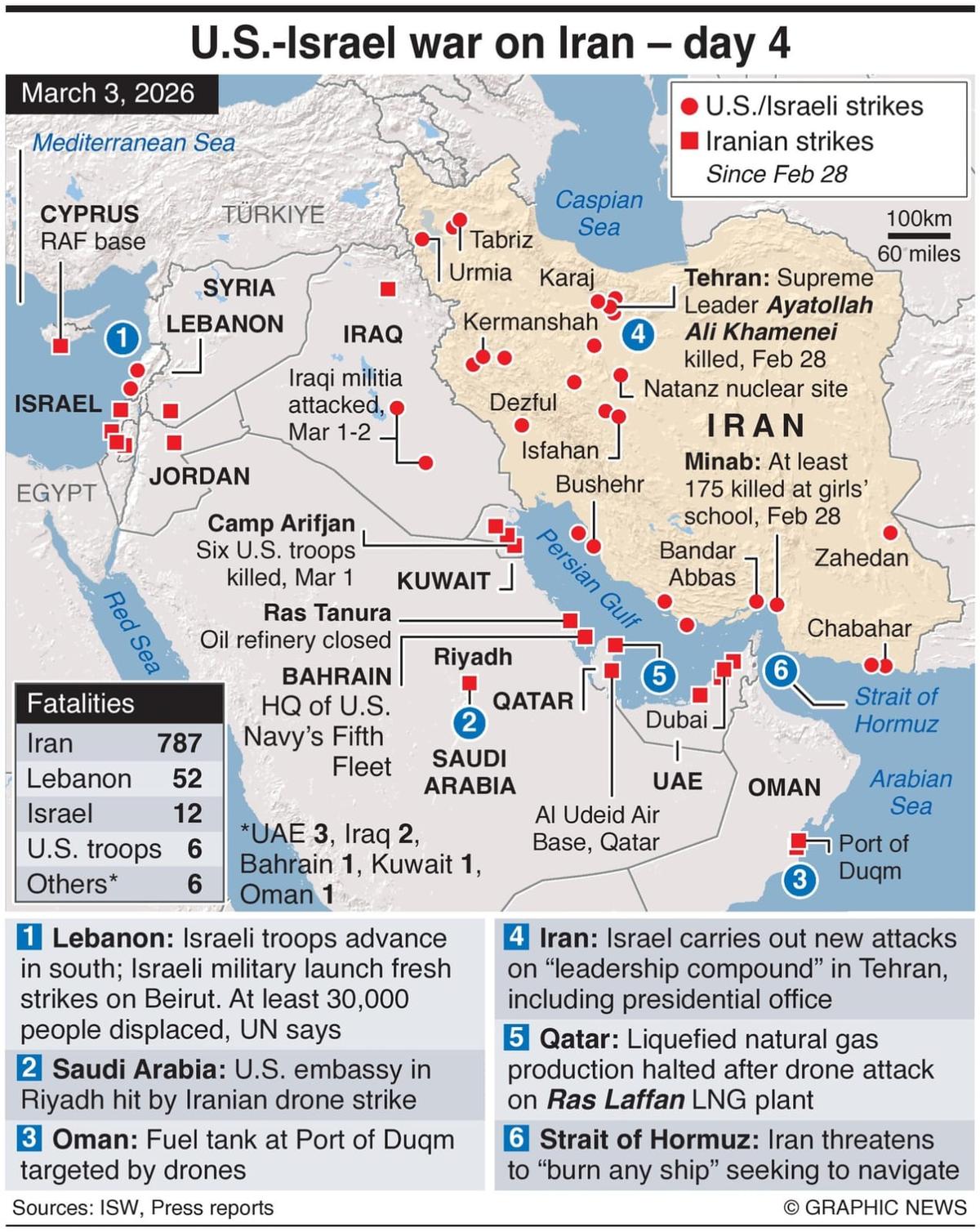
Recent developments have intensified fears of a wider regional conflict. Reports of military movements, diplomatic tensions, and security alerts have prompted international observers to warn about possible escalation. Financial markets often react sharply to such developments because the stability of oil supplies becomes uncertain.
If the conflict deepens, global shipping routes in the Persian Gulf could face disruptions. This corridor is critical for transporting crude oil to Asia, Europe, and other parts of the world. Any disturbance in this supply chain can trigger a surge in oil prices within days.
For India, which imports nearly 85 percent of its crude oil requirement, such developments immediately become an economic concern.
Fuel Price Hike and Immediate Impact on India
One of the most visible consequences of the America Israel war with Iraq could be a sharp increase in fuel prices in India. When crude oil prices rise internationally, the cost of petrol, diesel, and LPG in India usually follows the same trend.
Higher fuel prices affect much more than just transportation. They increase the cost of logistics, agricultural production, and manufacturing. As transport expenses rise, the prices of everyday commodities—from vegetables to construction materials—also increase.
This chain reaction contributes to inflation, putting additional financial pressure on households. Middle-class families and small businesses are often the most affected because rising fuel costs reduce disposable income and raise operating expenses.
Long-Term Impact on the Indian Economy
Beyond immediate fuel price hikes, the long-term impact on the Indian economy could be significant if the conflict continues for an extended period. Rising oil prices can widen India’s trade deficit because the country will have to spend more foreign currency to import energy resources.
A sustained increase in oil prices could also weaken the Indian rupee, making imports even more expensive. In addition, government spending might increase if authorities decide to reduce fuel taxes or offer subsidies to protect consumers from rising prices.
Another concern is investor sentiment. Global investors tend to move cautiously during geopolitical instability. If uncertainty persists, foreign investment flows into emerging markets like India could slow down temporarily.
However, crises also encourage strategic reforms. India may accelerate efforts to diversify energy sources, invest in renewable energy, and strengthen domestic energy security.
What Could Happen Next
The future trajectory of the conflict will largely determine how severe the economic consequences become. If diplomatic negotiations succeed in easing tensions, global markets may stabilize quickly and oil prices could return to normal levels.
On the other hand, if the conflict expands into a broader regional confrontation, global supply chains and financial markets could face prolonged instability. Governments around the world, including India, would then need to implement economic safeguards to protect their economies.
India is likely to continue balancing diplomatic relationships with all parties while focusing on energy diversification and strategic oil reserves to minimize the impact of external shocks.
Conclusion
The unfolding America Israel war with Iraq has the potential to create far-reaching consequences beyond the Middle East. For India, the immediate concern revolves around rising crude oil prices and their cascading effect on fuel costs, inflation, and overall economic stability. Since India relies heavily on energy imports, even minor disruptions in global oil supply can significantly influence domestic markets.
In the long term, however, such geopolitical crises also serve as a wake-up call for energy security and economic resilience. India may increasingly focus on expanding renewable energy capacity, strengthening strategic petroleum reserves, and reducing dependence on volatile external sources. While the current tensions present economic challenges, they may also accelerate policy shifts that make the Indian economy more sustainable and self-reliant in the future. Ultimately, the global community’s ability to manage and de-escalate conflicts will play a crucial role in determining how deeply these developments impact India and the broader world economy.