Amid Ongoing Conflict in West Asia, Indian Workers in Gulf Remain Resilient: Can a New Bill Safeguard Their Rights?
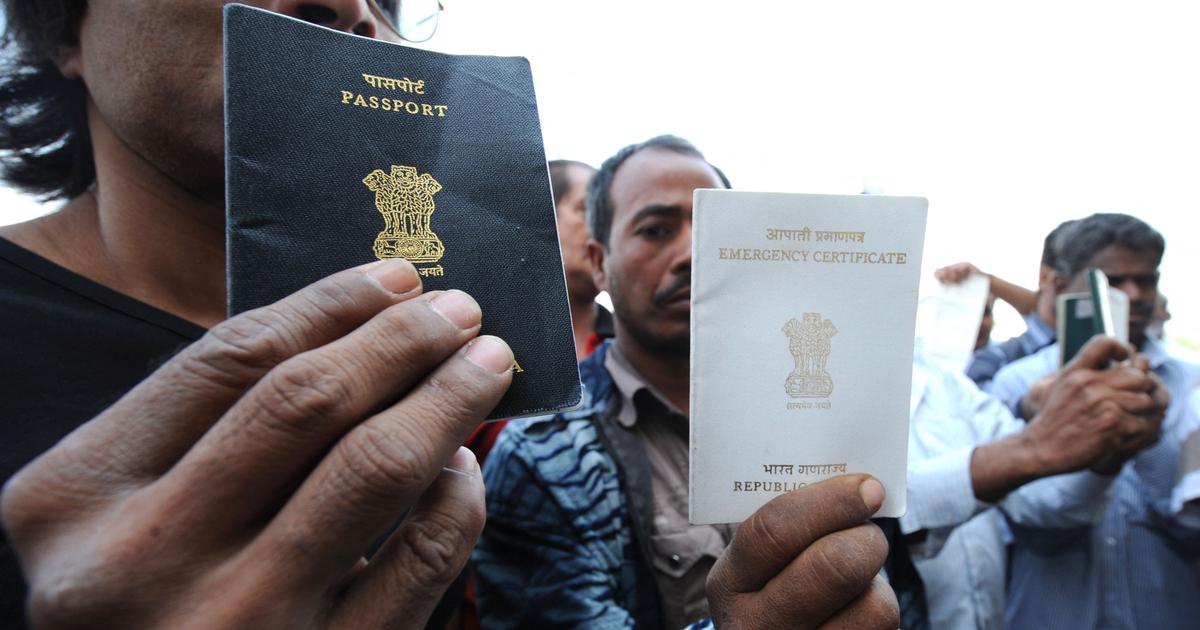
The ongoing conflict in West Asia has put a spotlight on the crucial role of Indian workers in the Gulf region, highlighting both their vulnerabilities and the need for robust protective measures. With an estimated 10 million Indians employed in various capacities across Gulf nations, the implications of this conflict extend beyond immediate geopolitical concerns.
Recent statements by Prime Minister Narendra Modi have revealed that since the outbreak of hostilities, approximately 375,000 Indians have returned home. However, this figure predominantly reflects the exodus of white-collar professionals, as blue-collar workers—who form the backbone of the Indian workforce in the Gulf—have largely chosen to remain, facing the dangers posed by aerial assaults and regional instability.
Experts caution that the ongoing strife could trigger an economic downturn in the Gulf, jeopardizing job security and potentially leading to wage reductions. The situation is compounded by reports from the Ministry of External Affairs, which indicate that seven Indians have tragically lost their lives since the escalation of the conflict. The plight of these workers has received minimal attention in the media, often overshadowed by the larger narratives surrounding energy supply disruptions and maritime trade crises.
In light of these challenges, the Indian government faces an urgent need to ramp up diplomatic efforts aimed at ushering in peace in the region while simultaneously ensuring the safety and security of its citizens abroad. This stark reality underlines a longstanding issue: the inadequate policies and protections afforded to Indian expatriate workers.
A potential solution is on the horizon with discussions surrounding a new bill to amend the Indian Emigration Act of 1983, which currently governs labour migration. Many advocates are calling for reforms that could enhance the rights and protections available to Indian workers overseas, ensuring they have recourse in times of crisis. Such legislative changes could play a vital role in safeguarding the interests of those who have chosen to work in challenging environments, often far from home.
As India seeks to navigate the complexities of its foreign policy and global relations, the welfare of its citizens abroad must remain a priority. Ensuring the safety and rights of Indian workers in the Gulf is not only a humanitarian obligation but also essential for the country’s economic engagement in the region. The resilience of these workers, in the face of adversity, serves as a testament to their dedication and hard work while presenting a compelling case for the need for protective legislation.