Anand Patwardhan Accuses YouTube of Censorship After Removal of ‘Father, Son and Holy War’
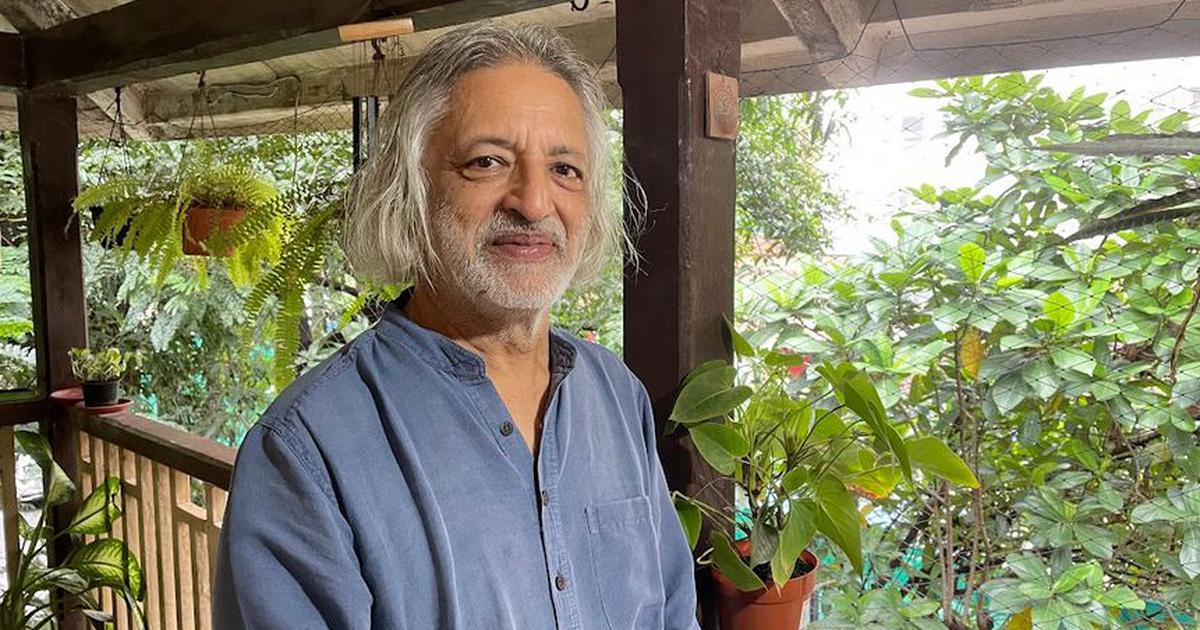
Renowned Indian documentary filmmaker Anand Patwardhan has voiced his outrage after YouTube removed his critically acclaimed 1995 film, Father, Son and Holy War, claiming it was taken down due to alleged violence. Patwardhan sees this action as a clear instance of censorship, criticizing the platform for suppressing voices that highlight societal issues.
In a passionate statement on social media, Patwardhan condemned the decision, asserting that the documentary serves as a crucial record of the violence perpetuated by religious extremists and political leaders competing for influence. He emphasized that the film is meant to expose the brutality of such acts rather than endorse them. “Shame on YouTube!” he exclaimed in his post. “Remove the censors, not good sense.” While the film is no longer available on Patwardhan’s official channel, viewers can still find it on another channel called Alukuchi Malukuchi.
Father, Son and Holy War delves into the complex dynamics of Hindutva, the anxieties surrounding masculinity, and the misogynistic rhetoric used by leaders from both Hindu and Muslim communities to justify acts of violence. The film has received significant accolades, including two National Film Awards in 1995 for Best Investigative Documentary and Best Film on Social Problems, further cementing its importance in Indian cinema.
This is not the first time Patwardhan has faced challenges in exhibiting his work. Back in 2001, he took legal action against the public broadcaster Doordarshan, which refused to air the film. After a favorable ruling from the Bombay High Court, which deemed the channel’s decision to be irrational, Doordarshan appealed to the Supreme Court. In 2006, the apex court mandated that the film be screened, describing Doordarshan’s refusal as a “blatant violation” of the freedom of speech guaranteed under Article 19(1)(a) of the Indian Constitution. This legal battle highlighted the ongoing tensions between artistic expression and institutional censorship in India.
The recent removal of Father, Son and Holy War from YouTube raises significant questions about the platform’s policies on content moderation and the implications for filmmakers who address controversial topics. As digital media continues to evolve, the balance between protecting viewers and allowing freedom of expression remains a contentious issue. Patwardhan’s case underscores the urgency for robust discussions around censorship and the responsibilities of platforms that shape public discourse.