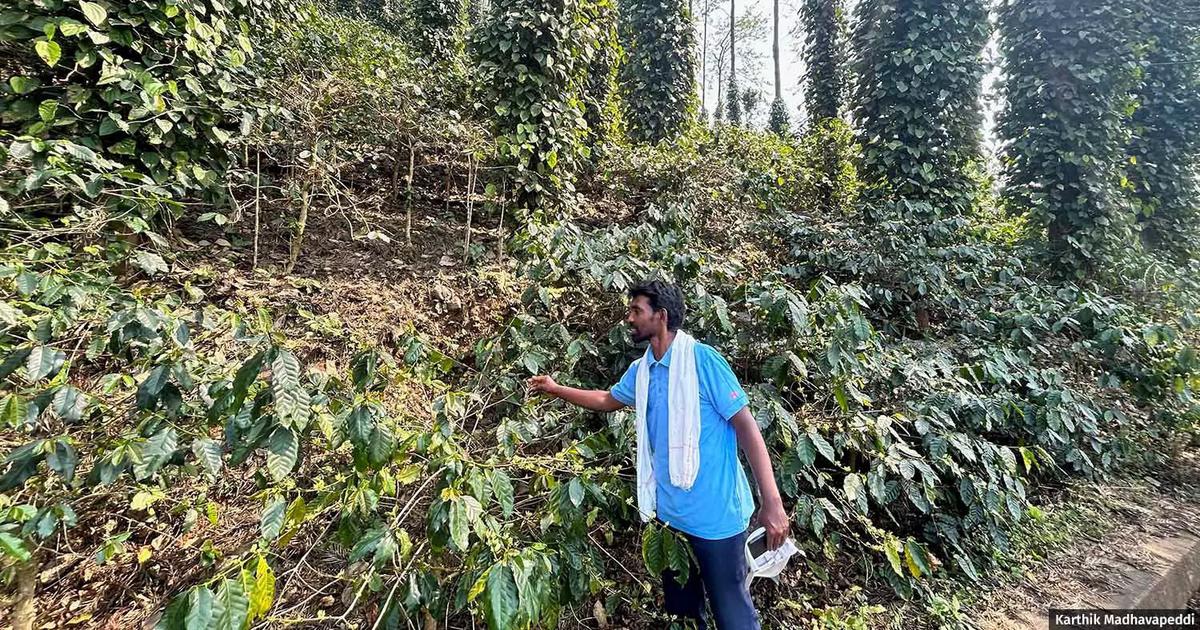
In the picturesque hills of Araku, coffee farmer Vanthala Raju stands at the forefront of a pressing issue that intertwines agriculture with the urgent realities of climate change. At just 21 years old, Raju began the arduous journey to secure recognition for his rights over forest land in 2014. However, the bureaucratic wheels turned slowly, with two years passing before his application was acknowledged and an additional four years for it to be processed. Throughout this drawn-out ordeal, Raju faced numerous challenges, including harassment from local authorities.
The impact of climate change has become an undeniable part of Raju’s reality. An arts graduate who cultivates coffee on nine acres, he has witnessed firsthand how erratic rainfall patterns and extreme weather conditions have hampered his harvests. “The changing climate has really affected our yields,” Raju explains. The erratic rains not only disrupt the watering cycle but also lead to conditions where excess moisture can cause crops to rot. In severe cases of heavy rainfall, coffee buds simply fall to the ground, while increasing temperatures can lead to wilting and destruction of potential yields.
Raju’s plight is not isolated; the repercussions of climate change on coffee production are being felt globally. A recent study conducted by Climate Central, released on February 18, highlights that 25 of the world’s coffee-producing nations—responsible for approximately 97% of global coffee output—have experienced an increase in what they term “coffee-harming heat” over the past five years. This alarming trend has led to reduced crop yields, diminished quality, and significantly escalated prices in the coffee market.
In India, the situation is no less dire. On average, the country has seen an alarming increase of 30 additional days of extreme heat in coffee-growing regions. Kerala, known for its lush coffee plantations, recorded the highest increase, experiencing 65 more days of such heat. Meanwhile, Andhra Pradesh, which ranks among the top coffee producers, had a total of 257 days where temperatures soared above 30 degrees Celsius, showcasing the intense heat that these crops must endure.
The effects of climate change not only threaten the livelihoods of farmers like Raju but also jeopardize the nation’s coffee heritage, which is deeply interwoven with India’s culture. As these farmers adapt to changing conditions, innovative strategies and sustainable practices are becoming essential. Raju and his fellow growers are exploring new agricultural techniques, such as agroforestry and shade-grown coffee, which can help mitigate the adverse effects of climate variability.
Ultimately, as the coffee-growing regions of India confront the challenges posed by climate change, the resilience and resourcefulness of farmers like Vanthala Raju will play a crucial role in safeguarding the future of coffee cultivation. Their journey not only highlights the struggles faced by agricultural communities but serves as a beacon of hope for sustainable farming practices that honor both heritage and environmental stewardship.