Arundhati Roy’s Memoir ‘Mother Mary Comes to Me’ Nominated for Prestigious Women’s Prize for Non-Fiction 2026
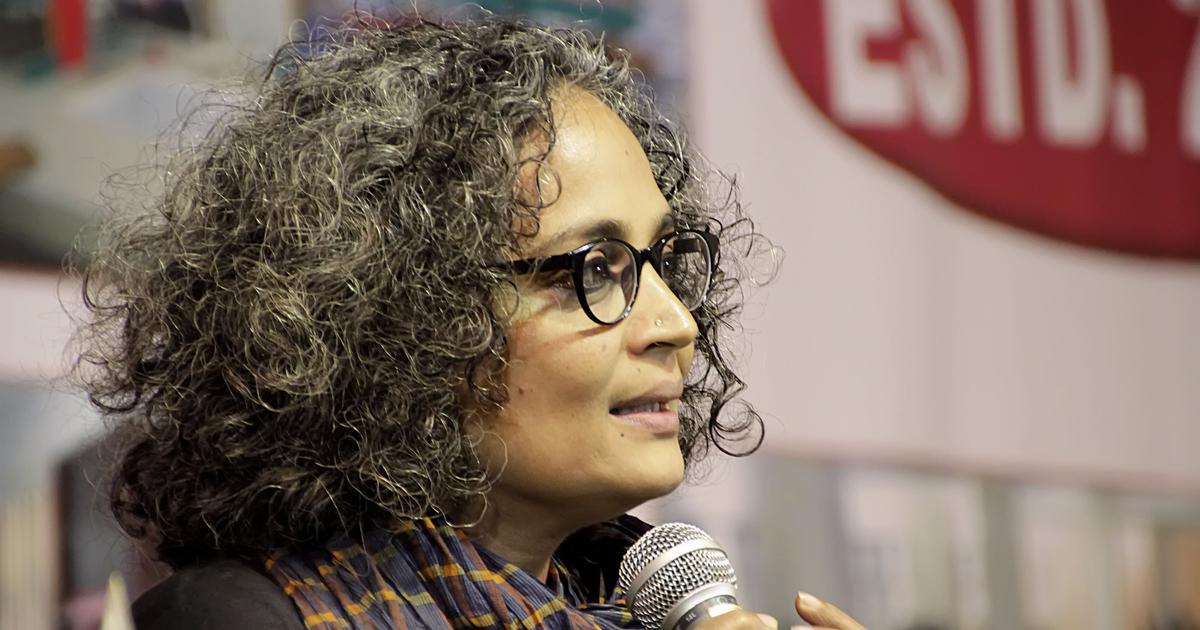
In an exciting development for literature enthusiasts, celebrated Indian author Arundhati Roy’s memoir, Mother Mary Comes to Me, has been shortlisted for the esteemed 2026 Women’s Prize for Non-Fiction. This recognition comes as a testament to Roy’s poignant storytelling and her candid exploration of her tumultuous relationship with her mother, Mary Roy, a prominent figure in her own right.
The announcement of the six-book shortlist took place yesterday, stirring up interest in literary circles across the globe. The Women’s Prize for Non-Fiction is an influential accolade that aims to celebrate the exceptional work of female authors. The winner, who will be revealed on June 11, 2026, stands to receive a cash prize of £30,000 along with a unique sculptural artwork titled “Charlotte,” created by artist Ann Christopher.
This year’s panel of judges is led by Thangam Debbonaire, a multi-faceted cultural strategist, politician, and CEO of the UK Opera Association. Joining her are an illustrious group of judges, including renowned engineer and broadcaster Roma Agrawal, entrepreneur Nicola Elliott, novelist Nina Stibbe, and Crown Court judge Nicola Williams, who is also known for her thrilling fiction work. Debbonaire, speaking about the shortlisted works, emphasized their role as a counter to prevalent misinformation, highlighting the scholarship and unique perspectives offered by these authors in a world often marked by fragmentation and uncertainty.
The complete shortlist features a diverse array of books, showcasing not just Roy’s memoir but also other significant works like Lyse Doucet’s The Finest Hotel in Kabul: A People’s History of Afghanistan, Daisy Fancourt’s Art Cure: The Science of How the Arts Transform Our Health, Judith Mackrell’s Artists, Siblings, Visionaries: The Lives and Loves of Gwen and Augustus John, and Jane Rogoyska’s Hotel Exile: Paris in the Shadow of War. Each of these books offers a fresh perspective on various historical and cultural narratives, contributing to a rich dialogue on contemporary issues.
Roy’s memoir particularly stands out as it delves into the complexities of maternal bonds against the backdrop of her own life experiences. It is likely to resonate with many readers, especially in the Indian context, where familial relationships often shape personal and societal narratives. As the anticipation builds for the announcement of the winner, readers and literary critics alike are keen to see if Roy will add this prestigious award to her list of accolades, which already includes the Booker Prize for her novel The God of Small Things.