Assam CM Accuses Congress of Fabricating Allegations with Help from Pakistan; Supreme Court Orders CBI Inquiry in Arunachal Pradesh
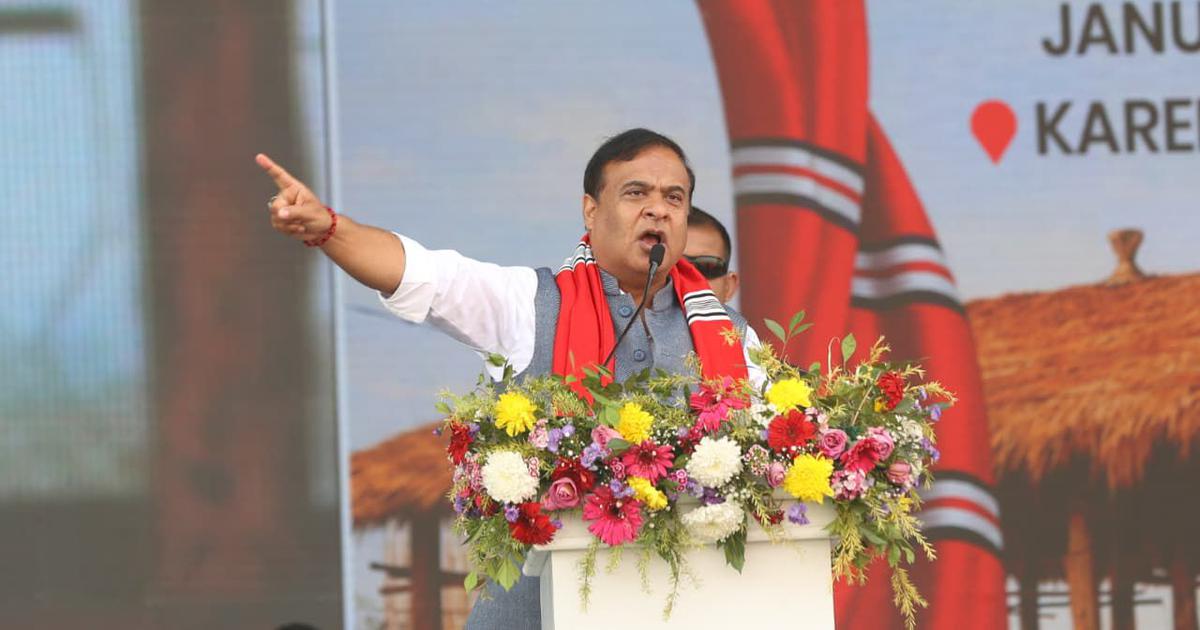
In a dramatic turn of events, Assam Chief Minister Himanta Biswa Sarma has leveled serious accusations against the Congress party, suggesting that their claims regarding his wife’s alleged foreign passports were orchestrated with the aid of a Pakistani social media group. Sarma’s allegations come in response to Congress’s assertions that Riniki Bhuyan Sarma, his wife, holds passports from three different countries. In a bid to counter these claims, the Chief Minister announced that his wife has filed a First Information Report (FIR) with the local authorities.
Sarma asserted that the Congress’s allegations were based on information derived from a purportedly lost passport, which the party allegedly obtained from a Pakistani social media platform. He further claimed that the Congress had fabricated additional evidence by establishing a fictitious company under his wife’s name shortly after a press conference where these allegations were discussed. “Registering a company can be done for just $199, and that’s how easily this misinformation is being spread,” he stated, reflecting his frustration with the political maneuvering.
The escalating tensions between the ruling Bharatiya Janata Party (BJP) and the Congress party have become a focal point in Assam’s political discourse. Political observers believe this exchange is indicative of a broader strategy as both parties gear up for the impending elections. Sarma’s assertion about foreign collusion adds a dramatic layer, as it taps into nationalistic sentiments among voters, portraying the Congress as a party willing to collaborate with external forces against the interests of India.
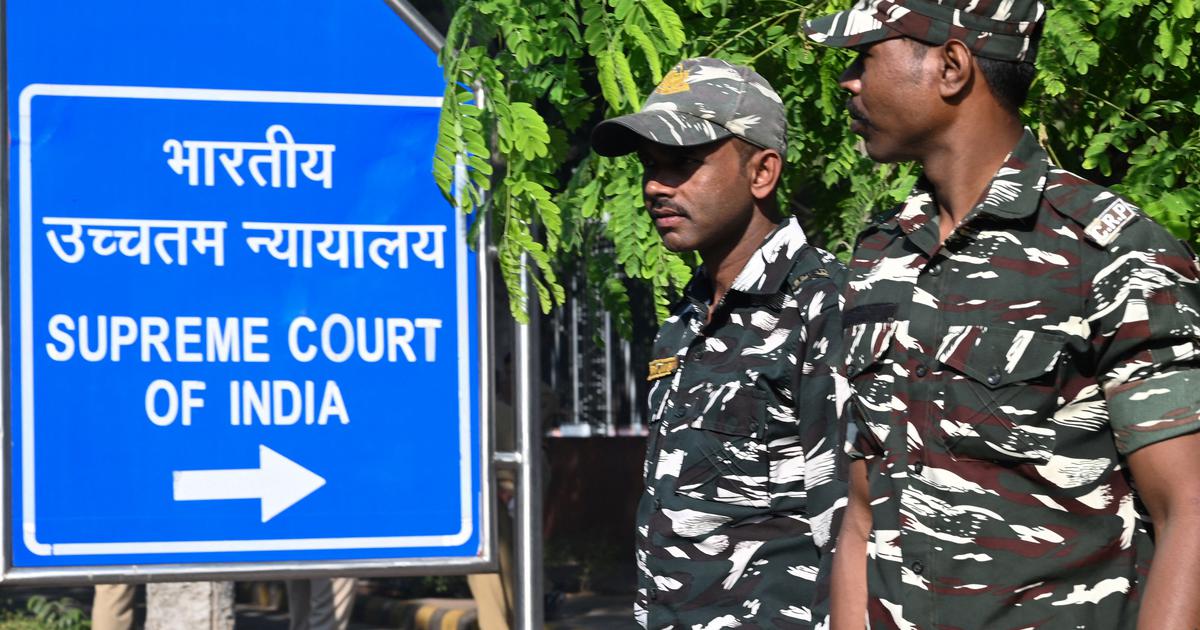
Meanwhile, in a significant ruling, the Supreme Court of India has directed the Central Bureau of Investigation (CBI) to conduct a preliminary inquiry into allegations of favoritism regarding government contracts in Arunachal Pradesh. This order was issued in response to public interest litigations filed by two NGOs, Save Mon Region Federation and Voluntary Arunachal Senaa, which accused Chief Minister Pema Khandu’s administration of awarding lucrative contracts to companies linked to his family members. The petitioners expressed concerns that the contracts and tenders worth millions were being funneled to firms that lacked the necessary qualifications, raising questions about transparency and accountability in governance.
This dual narrative of political accusations and judicial scrutiny underlines the complexities of Indian politics today, where allegations of corruption and collusion often intertwine with larger issues of governance and integrity. For citizens, the outcomes of these investigations could have lasting implications, not just for the politicians involved, but for the overall faith in democratic institutions in the country.