




Australia’s Bold Step: The First Developed Nation to Acknowledge Bangladesh Amidst Historical Turmoil
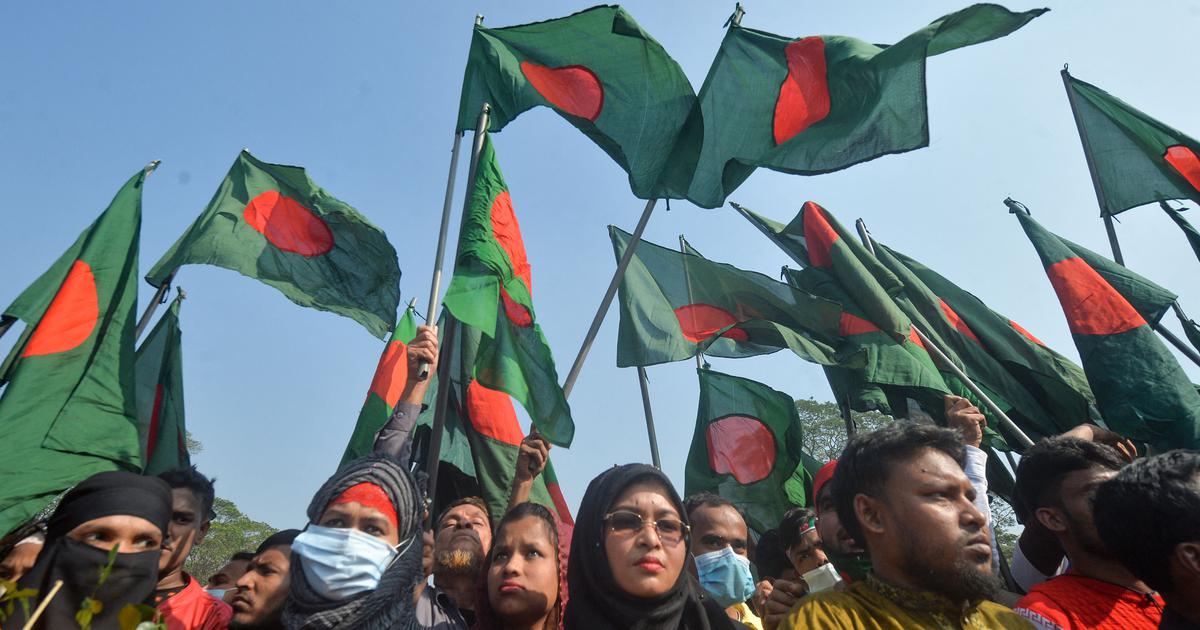
On the night of March 25, 1971, a somber chapter in South Asian history began as the Pakistani military unleashed a brutal offensive in East Pakistan, now known as Bangladesh. As the sun rose the next day, the streets of Dhaka, once vibrant with life, were stained with the blood of approximately 200 students who had gathered to protest against the oppression they faced. The leader of the Awami League, Sheikh Mujibur Rahman, was taken into custody just hours before the onslaught began, marking the start of a nine-month period of horror that would lead to a significant humanitarian crisis.
In the wake of the massacre, foreign journalists were largely expelled by the Pakistani government, but one tenacious reporter, Simon Dring from The Daily Telegraph, managed to remain in the city. From the rooftop of the Intercontinental Hotel, he bore witness to the chaos and destruction, ultimately penning a dispatch that would break the silence in the Western media. His report titled “Tanks Crush Revolt in Pakistan: 7,000 Slaughtered” was among the first to expose the severe realities faced by the people of East Pakistan, garnering international attention when it was published on March 30, 1971.
However, Australia had its own resourceful observer in Dhaka at that time. JL Allen, the Deputy High Commissioner for Australia, was on the ground as the events unfolded. He quickly recognized the gravity of the situation and filed two detailed memoranda to the Department of Foreign Affairs in Canberra. These documents, preserved in the National Archives of Australia, provide a clear account of the atrocities witnessed firsthand by Allen, emphasizing the military’s singular objective of quelling dissent at any cost.
Despite the lack of widespread media coverage, the Australian government showed a remarkable level of awareness about the situation in Bangladesh. In a memorandum dated March 30, Allen described the relentless brutality and the chilling atmosphere engulfing the city. His observations served not only to inform officials back home but also to illuminate the urgent need for international intervention and support for the Bangladeshi people.
Eventually, this accumulation of pressure from both the public and officials led Australia to make a historic decision—becoming the first developed nation to officially recognize Bangladesh as a separate nation in the wake of its independence struggle. This bold move not only reflected Australia’s commitment to human rights but also illustrated the profound impact that public sentiment and diplomatic courage can have on international relations. As the world looks back on this pivotal moment in history, it serves as a reminder of the power of informed advocacy and the importance of standing in solidarity with oppressed communities.

