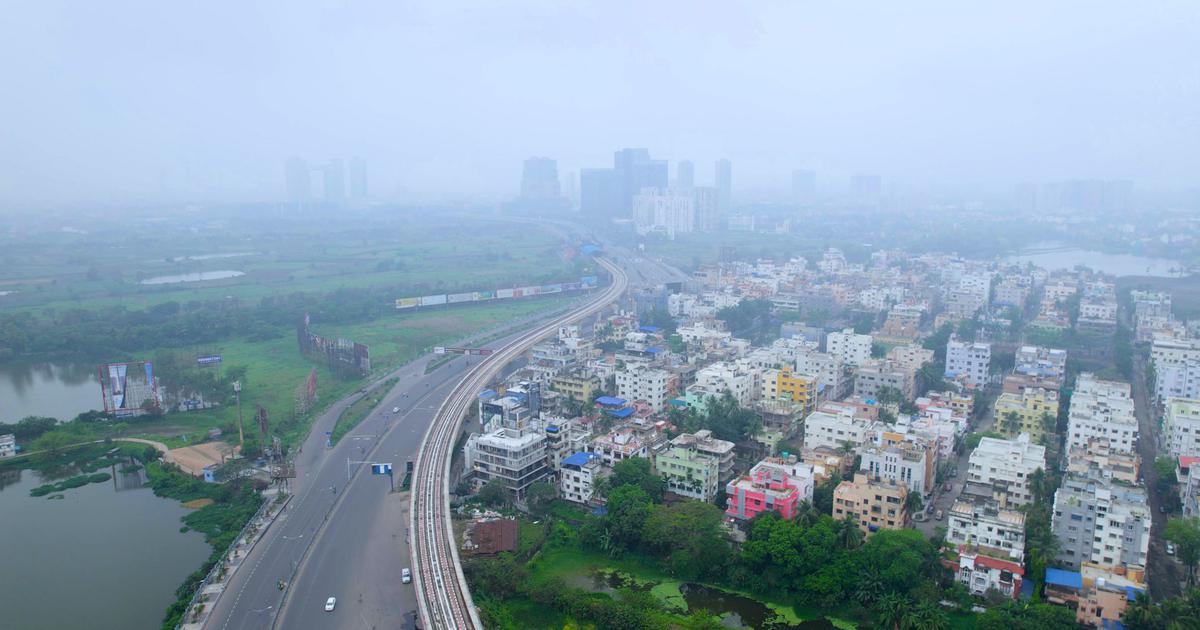
As urbanization continues to surge across India, the nation faces a complex array of ecological trade-offs that demand careful consideration. With rapid growth in cities like Mumbai, Delhi, and Bengaluru, the push for development often comes at the expense of the environment, leading to pressing issues such as air pollution, water scarcity, and loss of biodiversity.
Urban areas are magnets for economic opportunities, drawing millions seeking a better life. However, this influx places immense pressure on existing infrastructure and natural resources. For instance, the construction of new residential and commercial buildings frequently encroaches upon green spaces, resulting in the loss of vital ecosystems that support wildlife and help regulate climate. Furthermore, the increased vehicular emissions from a growing population contribute significantly to the already deteriorating air quality.
In addition to air pollution, urbanization also exacerbates water scarcity. Cities like Chennai have experienced severe water shortages in recent years, highlighting the fragility of urban water supply systems. The expansion of urban areas often leads to the depletion of nearby water bodies as they are over-exploited for construction and domestic use. This situation poses a serious threat not only to urban dwellers but also to those in rural areas who rely on the same water sources.
Moreover, the rapid pace of urbanization can lead to an increase in waste generation, which poses a significant challenge for city management. The lack of efficient waste disposal mechanisms can result in pollution of land and waterways, further aggravating ecological degradation. To combat these issues, cities must adopt sustainable practices, such as waste segregation and recycling initiatives, alongside promoting green infrastructure that integrates nature into urban planning.
As India navigates through this urbanization wave, it is crucial for policymakers, urban planners, and residents to work collaboratively to find a balance between development and environmental protection. This could involve implementing stricter regulations on construction, investing in sustainable public transport, and promoting green spaces in urban designs. By prioritizing ecological health while pursuing urban growth, India can create cities that are not only vibrant and economically viable but also sustainable and harmonious with nature.