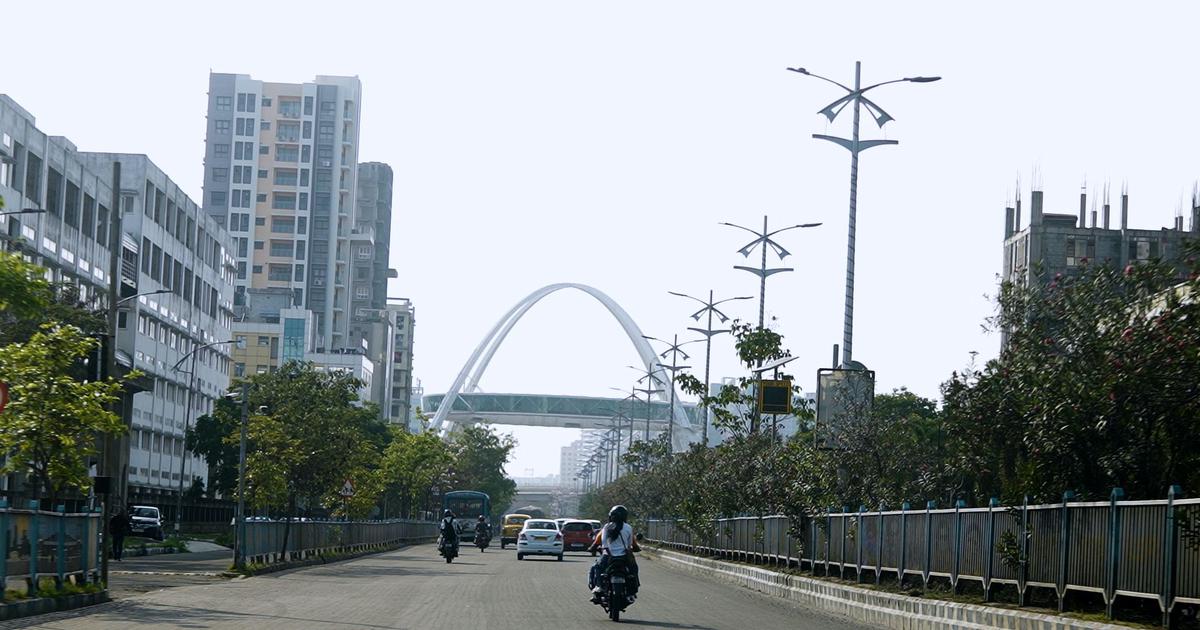
As India embarks on an ambitious journey to transform its urban landscapes through smart city initiatives, the ecological toll of such rapid development cannot be overlooked. With plans in place to enhance infrastructure, create high-tech urban areas, and improve living conditions, the nation is witnessing a significant shift in its approach to urban planning. However, this transformation raises pressing questions about sustainability and environmental conservation.
India’s smart city mission, launched in 2015, aims to create 100 cities that are not only equipped with modern technology but also promise improved public services, efficient mobility, and a higher quality of life. While these objectives are commendable, the ecological implications of such expansive urbanization are profound. The integration of technology and infrastructure often leads to increased energy consumption, waste generation, and a decline in green spaces, which are vital for maintaining ecological balance.
One of the primary concerns is the loss of biodiversity. As cities expand, natural habitats are often compromised to make way for concrete structures. This encroachment disrupts local ecosystems, threatening various species and leading to a decrease in biodiversity. Moreover, the construction phase of smart cities typically involves vast amounts of land clearing, which not only contributes to habitat loss but also increases pollution levels, affecting air and water quality.
Additionally, the emphasis on smart technologies raises further environmental concerns. Many smart city projects rely on energy-intensive systems, such as surveillance cameras, sensor networks, and data centers. The resultant demand for electricity often leans heavily on fossil fuels, exacerbating the carbon footprint of these urban areas. Despite the promise of energy-efficient solutions, the initial phases of development may prioritize growth over sustainability, leading to long-term ecological damage.
Furthermore, the socio-economic implications of smart city plans are equally significant. As urban centers become technologically advanced, the risk of exacerbating social inequalities increases. Marginalized communities may find themselves displaced or excluded from the benefits of urban development, leading to a divide between those who can afford the new amenities and those who cannot. This disparity can create social tension and undermine the very goals of inclusivity and quality living that smart city initiatives seek to promote.
To address these challenges, it is crucial for policymakers and urban planners to adopt a holistic approach to smart city development. This includes integrating environmental assessments into the planning process and prioritizing the preservation of green spaces and biodiversity. Additionally, investing in renewable energy sources and sustainable technologies can help mitigate the environmental impact of urbanization. Community engagement is equally important; involving local residents in the planning process ensures that the needs and rights of all stakeholders are considered.
As India continues to stride towards a future of smart cities, it is imperative to strike a balance between modernization and ecological stewardship. By embracing sustainable practices and prioritizing environmental conservation, India can pave the way for urban landscapes that not only reflect technological prowess but also respect and nurture the planet.