Balendra Shah Takes Office as Nepal’s Prime Minister, A Historic Milestone for the Madhesi Community
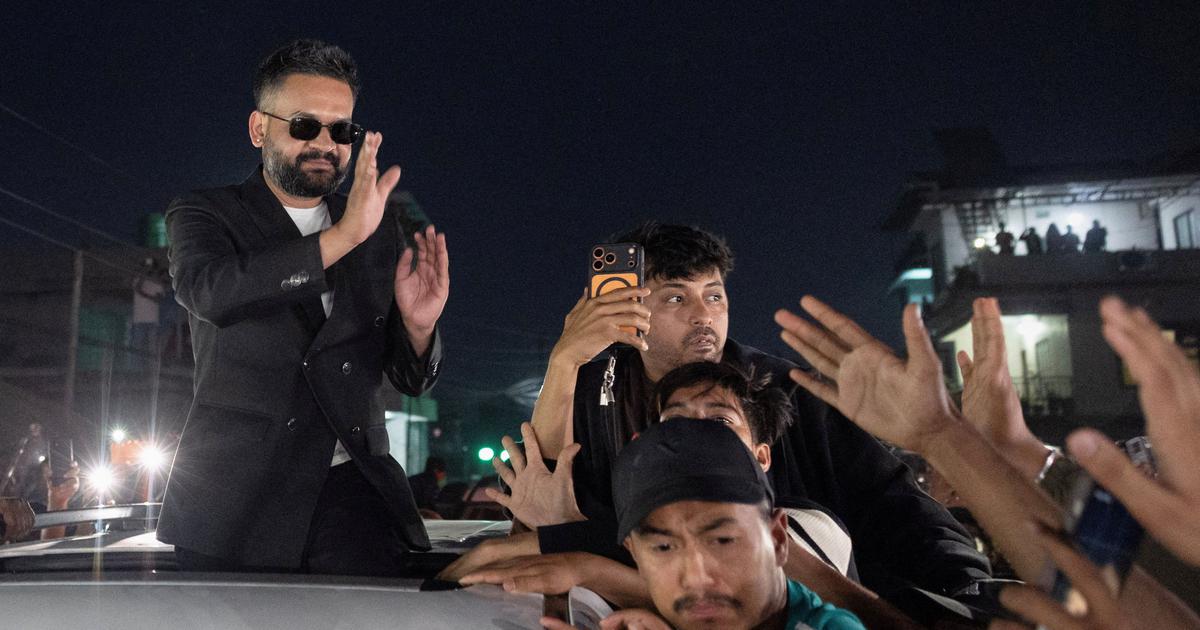
In a landmark event for Nepal, Balendra Shah, a former rapper and mayor of Kathmandu, was sworn in as the country’s prime minister on Friday, marking a significant shift in the political landscape. Shah, who is popularly known as Balen, took the oath of office in the presence of President Ramchandra Paudel at a ceremony held in Kathmandu.
This appointment is particularly notable as it represents the first time a leader from the Madhesi community has ascended to the role of prime minister. Additionally, at just 35 years old, Shah is among the youngest individuals to hold this prominent position in decades, reflecting a new generation’s rise in Nepali politics.
Shah’s journey to the premiership began with a remarkable victory in the recent elections held on March 5, where his party, the Rastriya Swatantra Party, secured an impressive 182 out of 275 seats in the federal parliament. This election was significant as it followed widespread protests that led to the ousting of former Prime Minister KP Oli, indicating a critical turning point in Nepal’s governance.
The backdrop to these elections was rife with turmoil. Protests erupted in September over the government’s controversial ban on 26 social media platforms, which was perceived as an infringement on freedom of expression. Although the ban was lifted shortly thereafter, public discontent grew, fueled by allegations of corruption and misadministration under Oli’s leadership. Ultimately, the protests intensified, resulting in at least 72 lives lost and culminating in Oli’s resignation just a day after the ban was lifted.
Upon taking office, Shah expressed his commitment to unity and national strength through a unique medium—his debut public statement was delivered via a rap song titled “Jay Mahakaali,” which resonated with themes of collective power and resilience. His artistic background as a rapper has set a refreshing tone for his leadership, promising a different kind of political engagement in a country long dominated by traditional political figures.
Alongside Shah, President Paudel also administered the oath to 14 new ministers, marking a new chapter for governance in Nepal. The formation of this cabinet is expected to focus on addressing the pressing issues facing the nation, including restoring public trust and implementing policies that resonate with the aspirations of Nepal’s diverse population.
As the nation moves forward under Shah’s leadership, the anticipation among citizens is palpable. Many hope for a government that prioritizes transparency, accountability, and social justice. Shah’s rise to power signals not just a generational shift but also a potential transformation in how politics is conducted in Nepal, with a focus on the inclusion of marginalized communities.