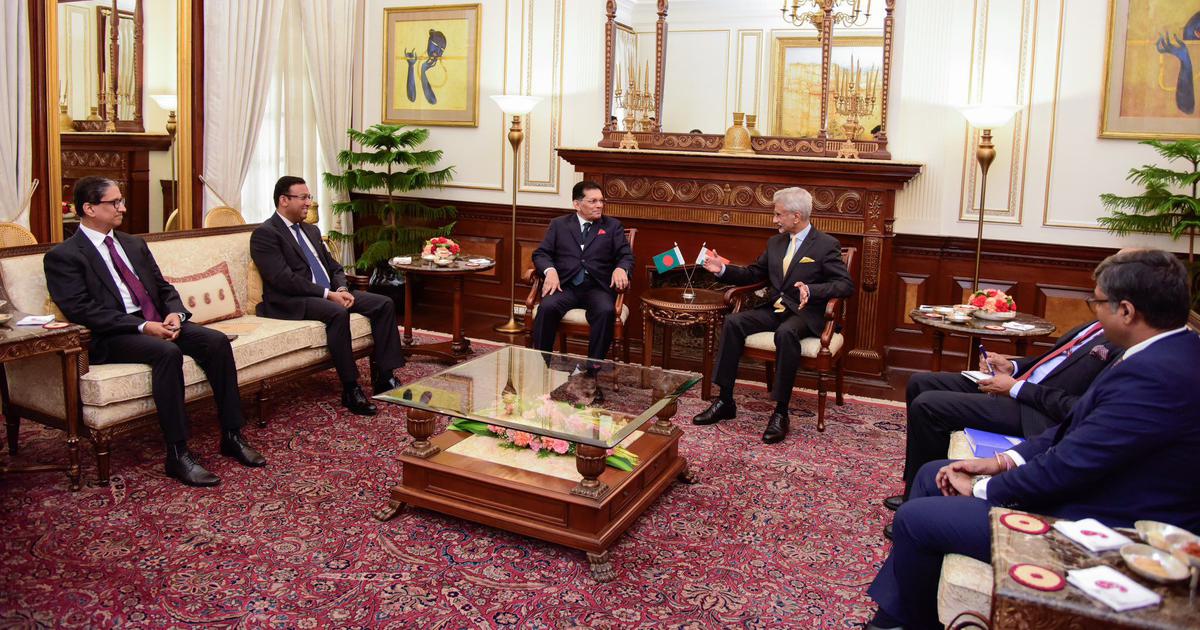
In a significant diplomatic engagement, Bangladesh’s Foreign Minister Khalilur Rahman recently concluded his visit to New Delhi, where he underscored Dhaka’s demand for the extradition of former Prime Minister Sheikh Hasina. This request, originally made by the previous caretaker government under Muhammad Yunus, is in accordance with the India-Bangladesh extradition treaty.
Sheikh Hasina, who governed Bangladesh for 16 years, fled to India in August 2024 amidst intense student-led protests against her Awami League administration. Following her departure, Muhammad Yunus, a Nobel laureate and esteemed economist, took charge of an interim government. The political landscape shifted again this past February when the Bangladesh Nationalist Party (BNP) emerged victorious in parliamentary elections, leading to Tarique Rahman, the party’s chairperson, being inaugurated as the new Prime Minister.
During his discussions in New Delhi, Khalilur Rahman met with India’s National Security Adviser Ajit Doval and External Affairs Minister S. Jaishankar. Both sides engaged in talks aimed at reaffirming and strengthening bilateral relations, with Jaishankar emphasizing India’s commitment to engaging constructively with the new government in Dhaka. Rahman’s visit marks the first high-level bilateral meeting since the upheaval of the Hasina government, signaling a potential shift in diplomatic dynamics.
The backdrop of this visit is critical. The extradition request is rooted in the complexities of regional politics, where relations between India and Bangladesh have historically been shaped by issues of governance, migration, and security. The situation continues to evolve, with many in both nations observing how the new leadership in Bangladesh will navigate its foreign relations, particularly with its powerful neighbor to the west.
As Foreign Minister Rahman departed for Mauritius to attend the 9th Indian Ocean Conference, he reiterated the importance of maintaining dialogue between Bangladesh and India. Given the shifting political landscape, this visit could serve as a precursor to more in-depth discussions on various bilateral issues, including trade, security, and regional cooperation.