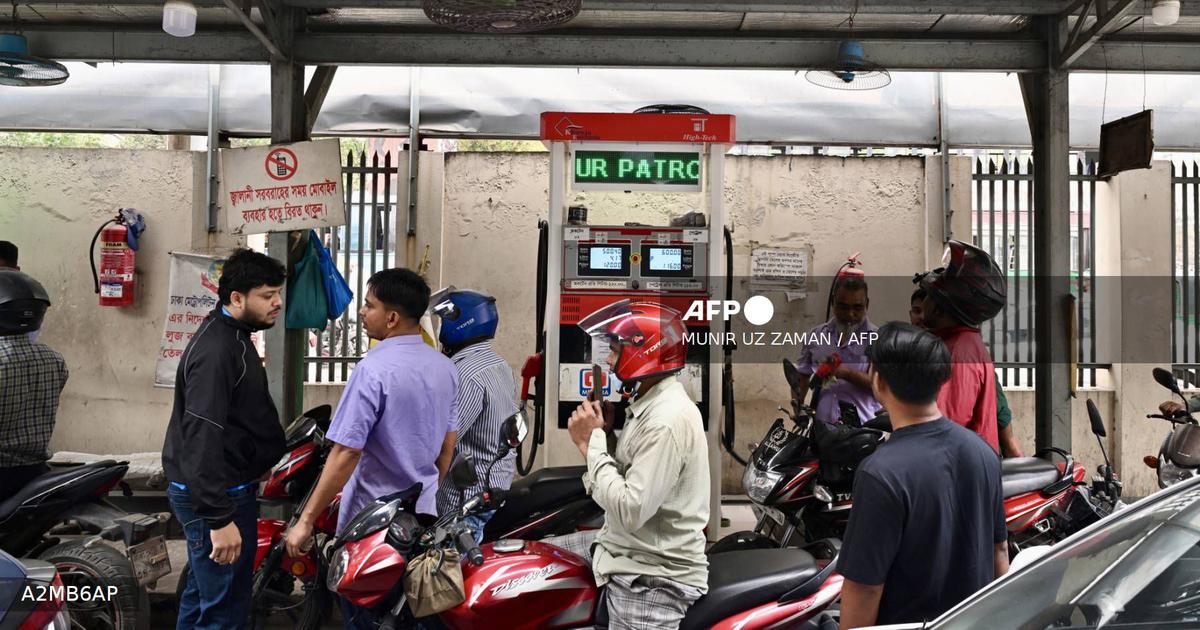
In a bid to manage fuel resources amidst rising tensions in West Asia, Bangladesh’s government has announced significant cuts to Eid-ul-Fitr celebrations this year. On Sunday, officials declared that there would be no decorative lighting on public or private buildings for the upcoming Eid festivities, Independence Day, and National Day, all occurring this month.
The decision was swiftly followed by the closure of all public and private universities, effectively advancing the Eid holidays. This measure aims to conserve electricity and reduce fuel consumption during a crucial time. Authorities believe that these actions will not only limit energy use but also help alleviate traffic congestion, which often leads to unnecessary fuel wastage.
This move reflects the broader concerns in Bangladesh following military actions by the US and Israel against Iran, which began on February 28. The situation has raised questions about the safety of maritime routes, particularly the all-important Strait of Hormuz. This narrow waterway is pivotal for global oil transport, as around 20% of the world’s oil passes through it. Iran has threatened to restrict oil flow to its adversaries, which adds to the uncertainty.
In light of these developments, Bangladesh secured a “safe passage” agreement from Iran, ensuring that its oil and LNG vessels could continue to transit the Strait without incident. As the situation evolves, the country remains vigilant, balancing energy needs with safety concerns.