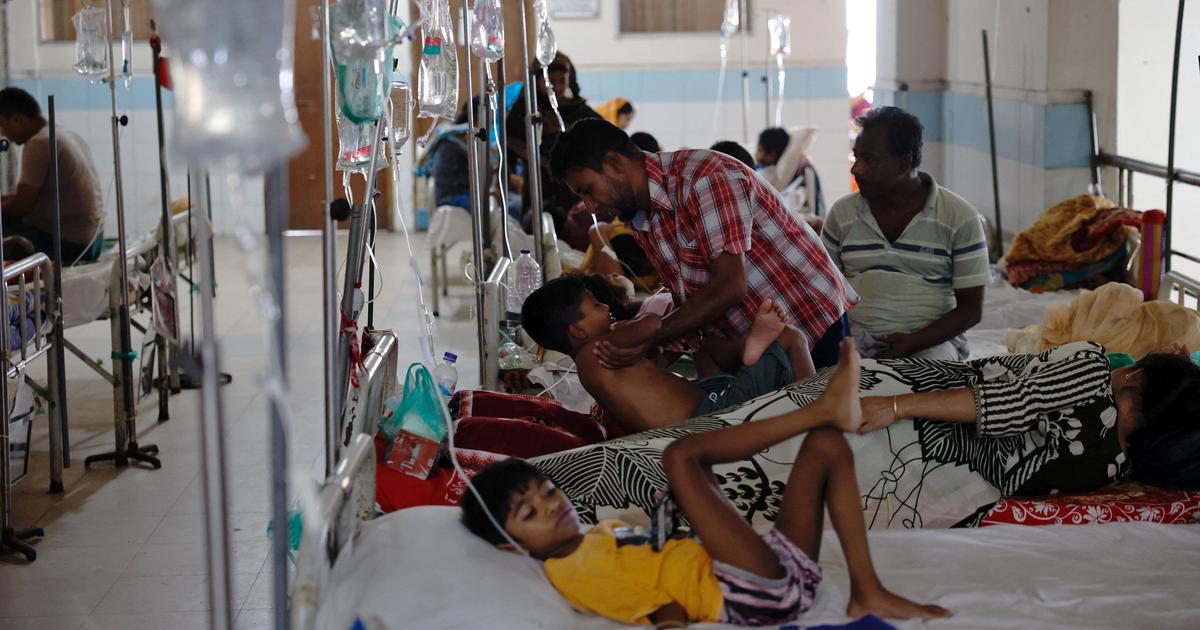
The Bangladeshi government has reported a worrying surge in measles cases, with at least 98 children allegedly succumbing to the disease in just three weeks. This tragic situation has compelled authorities to initiate an emergency vaccination drive across 18 districts deemed high-risk, with plans to expand the immunization effort nationwide starting May 3.
Measles, a highly contagious viral infection, is primarily transmitted through respiratory droplets when an infected individual coughs or sneezes. It poses a significant threat to children, often leading to severe complications such as pneumonia, blindness, and encephalitis. Once contracted, there is no specific treatment available for measles; the infection must run its course, underscoring the need for preventive measures like vaccination.
Data released by Bangladesh’s Ministry of Health and Family Welfare highlights a sharp increase in suspected measles cases among children aged six months to five years. Reports indicate that 6,476 children in this age group are currently displaying symptoms associated with measles. Among them, 826 cases have been confirmed, and 16 fatalities have been linked to the disease, according to the ministry. Halimur Rashid, director of the Communicable Disease Control department, expressed grave concerns over the rising numbers, noting that both the incidence of the disease and the death toll are significantly higher than in previous years.
The Dhaka division has been hit hardest by the outbreak, accounting for 2,394 of the suspected cases, followed by Rajshahi with 1,243. As the situation escalates, public health officials are urging parents to ensure that their children receive vaccinations on schedule, as the measles vaccine is a proven method to prevent the disease and protect vulnerable populations.
In light of this outbreak, the urgency for vaccination has never been clearer. Public health campaigns are critical in educating communities about the importance of vaccinations and dispelling myths surrounding them. This tragic incident serves as a stark reminder of the need for vigilance in maintaining herd immunity, especially in regions where outbreaks can lead to devastating consequences.