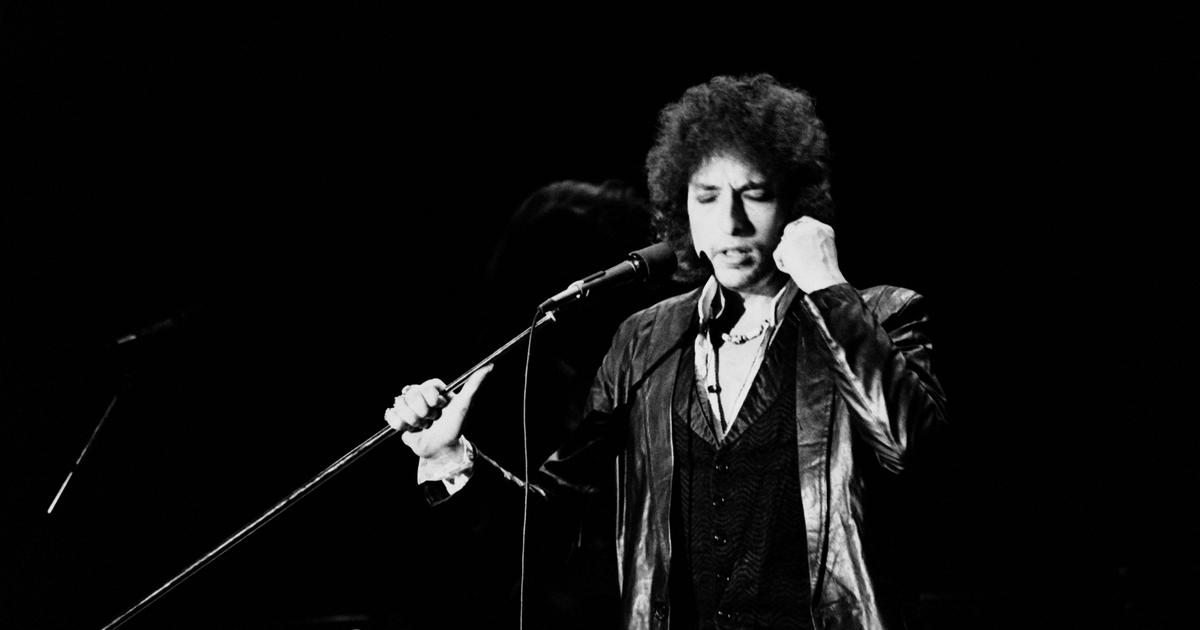
In July 1965, Bob Dylan made history at the Newport Folk Festival by electrifying his performance, leaving the audience shocked as he launched into powerful renditions of classics like ‘Maggie’s Farm’ and ‘Like A Rolling Stone.’ This pivotal moment marked the end of an era for many who had come to see Dylan as the quintessential folk musician, a lone figure armed only with an acoustic guitar and a harmonica. Among the distressed was Pete Seeger, a co-founder of the festival, who famously quipped, ‘I was so mad I said, damn if I had an axe I’d cut the cable.’ However, this bold act of defiance was more than just a mere change in sound; it set the stage for a new kind of artistic expression that would resonate far beyond American shores.
As Bob Dylan approaches his 85th birthday on May 24, his legacy continues to inspire musicians around the globe, with a particularly profound impact in Eastern India. For over sixty years, Dylan has influenced the evolution of Bengali and Northeastern popular music, effectively merging genres that were once thought to be separate—song and literature, protest and poetry, tradition and modernity. His work has acted as a catalyst, breaking down barriers and encouraging new forms of artistic expression.
The relationship between the counterculture of 1960s America and the rich cultural tapestry of West Bengal is not coincidental. It was forged through a series of intimate exchanges, notably marked by significant encounters six decades ago. One pivotal moment was in 1962 when Beat poet Allen Ginsberg visited Calcutta. His interactions with Bengal’s ‘Hungryalist’ poets, who were at the forefront of a literary movement that sought to challenge the status quo, created a bridge between American and Indian artistic communities.
Dylan’s influence is palpable in the works of many Bengali artists who have employed his fusion of lyrical depth and social commentary in their music. The folk songs of the region have absorbed the essence of Dylan’s storytelling, echoing themes of resistance and the quest for freedom that became synonymous with his identity. From the protest songs of the 1960s to the contemporary folk and rock music of today, Dylan’s spirit can be felt through the chords and verses of many Indian musicians.
As Eastern India continues to explore and redefine its musical landscape, the echoes of Dylan’s revolutionary spirit resonate strongly. His refusal to be pigeonholed as a mere folk artist has encouraged a generation of musicians to embrace their identity in multifaceted ways, blending traditional sounds with modern influences. This dynamic exchange of ideas serves as a testament to the enduring power of music as a universal language, inspiring artists to challenge conventions and create new artistic narratives that reflect their own cultural experiences.