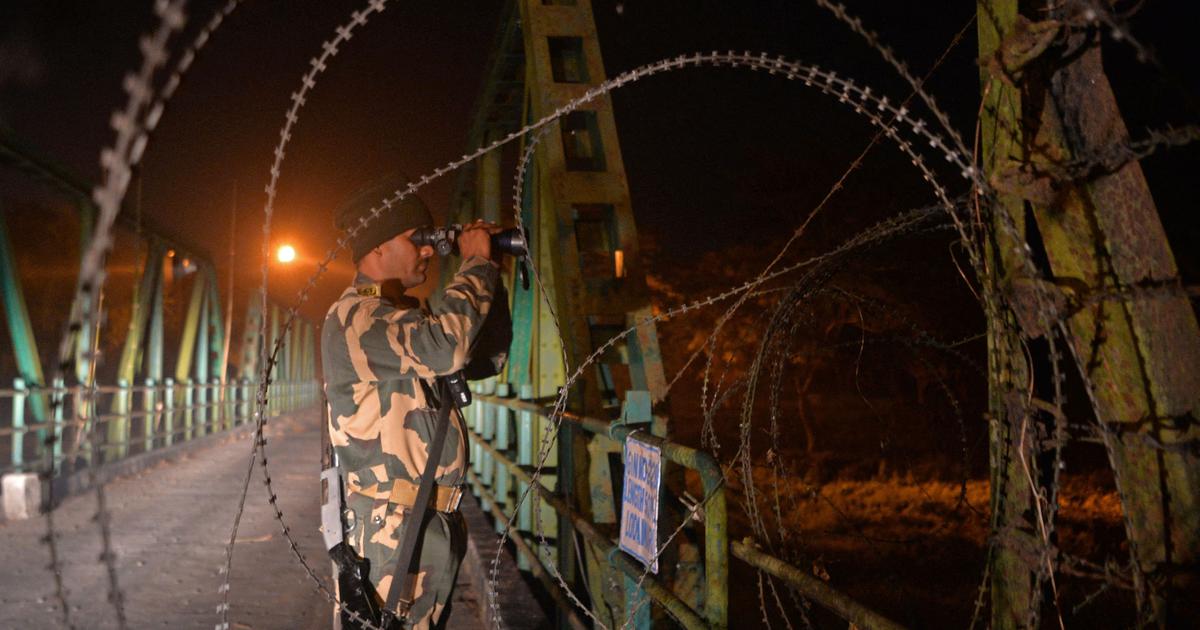
The fraught relationship between India and Bangladesh has been particularly highlighted by the controversial actions of India’s Border Security Force (BSF) along their shared border. Historically, when incidents involving fatalities occur at the hands of the BSF, Indian authorities have typically defended these actions by labeling the deceased as criminals or smugglers, asserting that their forces acted in self-defense. This narrative effectively shifts the moral burden of responsibility from the Indian forces to the Bangladeshi individuals who lost their lives.
Human rights organizations, such as Odhikar, have reported alarming statistics indicating that between 2000 and 2020, the BSF was responsible for the deaths of 1,236 Bangladeshi nationals. This grim record raises critical questions about the accountability of these border actions and the humanitarian implications of such policies. Analysts in Bangladesh have pointed out that this framing not only absolves India of bilateral responsibility but also relegates the issue to the realm of diplomatic obscurity, making it appear as if the casualties are mere collateral damage in the fight against crime.
What is particularly striking to observers in Bangladesh is the apparent acquiescence of the Dhaka government to India’s narrative. On June 2, just before high-level talks between the Border Guard Bangladesh and the BSF were scheduled to take place in New Delhi, Home Minister Salahuddin Ahmed made public remarks that seemed to sidestep the gravity of the situation. He suggested that fatalities resulting from actions involving ‘crime or illegal intrusion’ should not be classified as border killings. This statement, which many perceived as an unprompted concession ahead of the negotiations, raises eyebrows regarding the degree of assertiveness Bangladesh is willing to show in defending its citizens.
Salahuddin’s comments were not an isolated incident but rather part of a broader pattern of diplomatic engagements that often prioritize bilateral relations over the pressing human rights concerns surrounding border security. Analysts argue that such a stance could inadvertently embolden the BSF in their use of lethal force, as it can now be justified under the guise of combating crime.
In the coming days, as the two nations engage in discussions aimed at reducing tensions and improving cross-border relations, the crux of the issue remains: how can Bangladesh ensure the safety and rights of its citizens while maintaining a harmonious relationship with its powerful neighbor? The challenge lies in navigating this complex geopolitical landscape, where the line between security and human rights is often blurred. As the talks unfold, the hope is that both nations will address these crucial concerns rather than gloss over them, ensuring that the lives lost are acknowledged and that accountability is sought.