




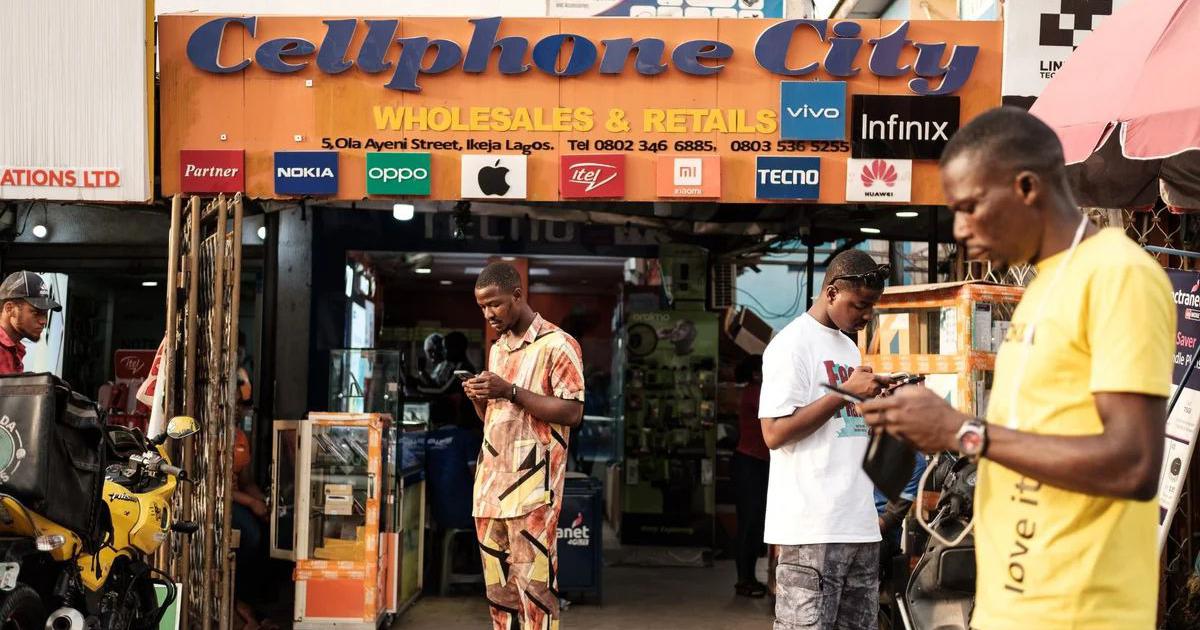
A groundbreaking initiative is set to potentially transform the digital landscape in Africa, as the GSMA, a prominent global advocate for mobile communications, has unveiled plans to test $40 smartphones across several African nations. Set to launch in 2026, these devices will be piloted in countries including the Democratic Republic of Congo, Ethiopia, Nigeria, Rwanda, Tanzania, and Uganda.
The introduction of affordable 4G smartphones could be a game-changer, offering millions of people in Africa access to essential services such as education, healthcare, and financial solutions, as well as opportunities in e-commerce and artificial intelligence tools. According to the GSMA, an estimated 960 million Africans currently lack mobile internet access, primarily due to the high cost of devices rather than a lack of network infrastructure.
The proposed $40 smartphone is only slightly more expensive than the global average price of a feature phone, which is around 10% higher. This price point represents a significant opportunity to get more people online, particularly in regions where traditional smartphones are prohibitively expensive, with the average smartphone price now exceeding $400 globally.
However, the path to making an affordable smartphone a reality is fraught with challenges. Industry experts caution that producing a viable device at such a low price will require significant compromises. Features would likely include basic specifications such as a smaller display, limited RAM and storage, older 4G technology, and simplified software designed for lower-end hardware.
Steven Athwal, managing director and founder of a tech consultancy, notes that achieving the $40 price point means that manufacturers will need to strip down features to their bare essentials, offering minimal margins. The experiences of several past initiatives aimed at delivering low-cost phones underscore the difficulties involved, with many having failed due to economic viability, technological constraints, and inadequate market ecosystems.
As the world becomes increasingly reliant on digital connectivity, the stakes are high for African nations. Bridging the digital divide is vital for economic growth and social development. Affordable smartphones could empower people, allowing them to connect with vital resources and information, thus enhancing their quality of life. The success of this initiative could set a precedent for similar efforts globally, as the need for inclusive technology remains a pressing issue.

