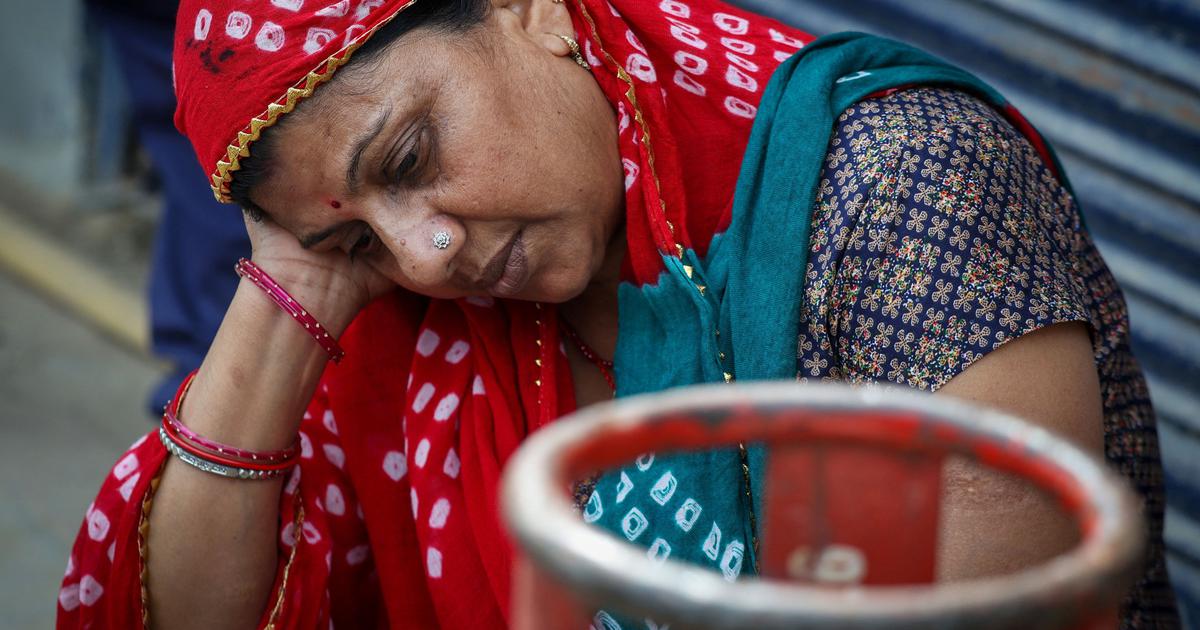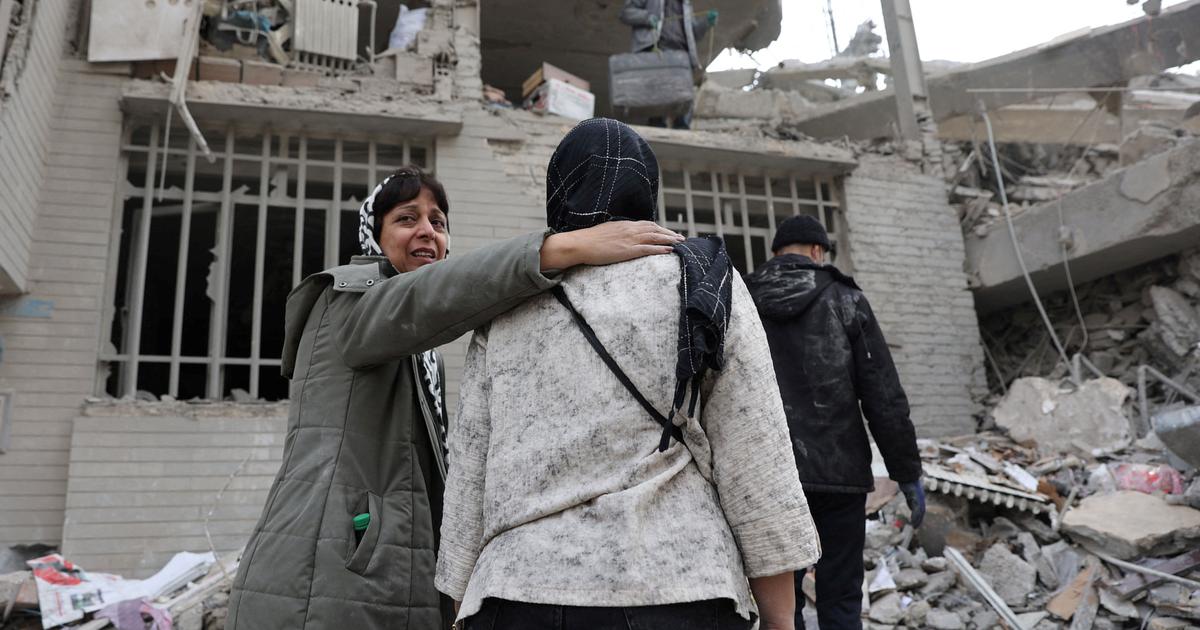
In the heart of Tehran, chaos erupted on February 28 as a series of air strikes shook the Iranian capital. Dr. Saqib Mir, who was navigating the bustling streets that morning, described the scene as one of panic and confusion. “People were rushing towards the subway to escape the chaos,” he recounted to Scroll. The intensity of the situation escalated when news broke of a significant event: the assassination of Iran’s Supreme Leader, Ayatollah Ali Khamenei, allegedly by a joint operation of the United States and Israel.
Mir noted that the following three days were marked by relentless strikes, leaving many feeling vulnerable and uncertain about their safety. By the fourth day, the doctor, sensing the increasing danger, made the decision to flee to Qom, a city located about 150 kilometers south of Tehran. After a bus ride, he checked into a local hotel. He observed that the once-bustling capital now felt eerily deserted, with many residents who could afford to leave opting for safer regions.
Interestingly, even in Qom, the tension remained palpable. Mir described a night in his hotel when an air strike nearby caused the building to tremble violently. “We were jolted awake; it felt like a scene from a disaster movie,” he said. The harsh reality was underscored when another strike hit a residential area in Qom on March 8, further deepening the residents’ fears.
This ongoing conflict has left many Iranians grappling with a profound sense of insecurity. With a future that feels unpredictable and frightening, the resilience of the people is being tested. Dr. Mir’s experience reflects a broader narrative of survival amidst adversity, as citizens cling to hope while navigating the turmoil engulfing their nation.