CBI Raids Mamata Banerjee’s Residence Amid TMC Controversies; Kuki Hostages Freed in Manipur
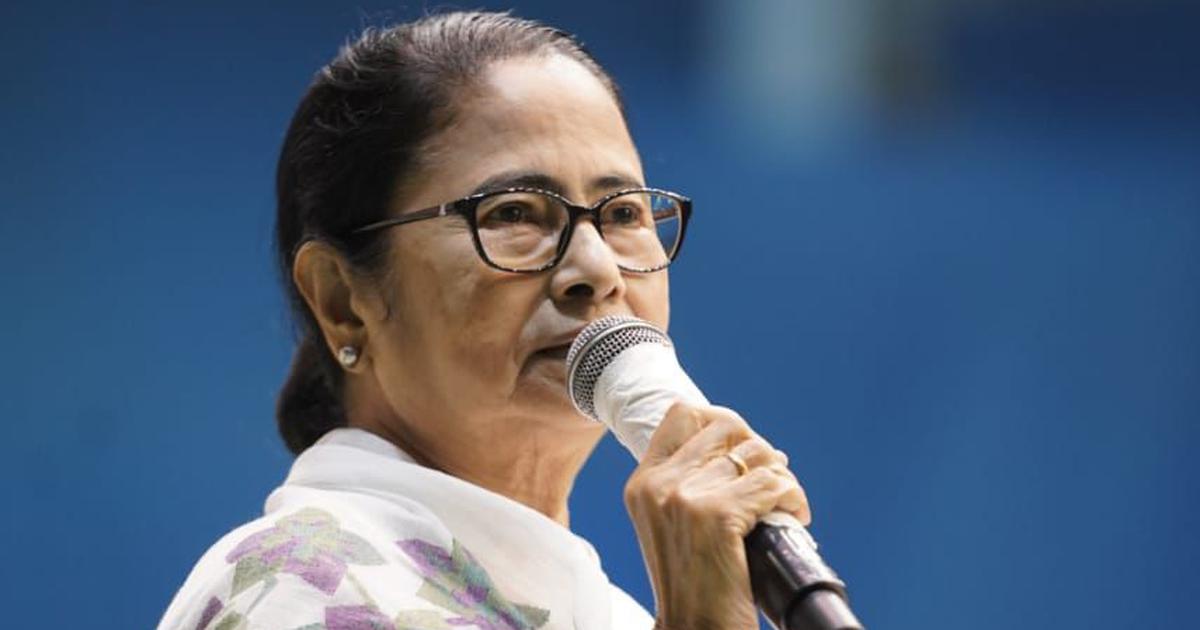
The political landscape in West Bengal has once again been shaken, as the Central Bureau of Investigation (CBI) executed a search at the residence of Mamata Banerjee, the chief of the Trinamool Congress (TMC). This operation is linked to ongoing allegations from rebel TMC MLAs Ritabrata Banerjee and Sandipan Saha, who contend that 14 forged signatures were used to endorse the appointment of Sovandeb Chattopadhyay as the Opposition leader in the West Bengal Assembly. Notably, Mamata Banerjee was in New Delhi at the time of the raid, which took place at her residence that also functions as a TMC office.
The search comes amid growing internal rifts within the TMC, as Abhishek Banerjee, the party’s National General Secretary and Mamata’s nephew, had previously evaded a summons related to this investigation. The TMC has been facing scrutiny not only from opposition parties but also from within its ranks, as dissenting voices emerge regarding the leadership and functioning of the party.
In a parallel development, the situation in Manipur has seen a glimmer of hope with the release of 14 Kuki individuals who had been held hostage since May 13. This release was facilitated by the United Naga Council and various civil society organizations advocating for peace. Ng Lohro, the president of the United Naga Council, expressed optimism about the swift release of six Naga individuals still in captivity, emphasizing the urgent need for dialogue and reconciliation among the warring factions.
The abduction incident in Manipur has been part of a larger cycle of violence that has plagued the state, particularly affecting the Kuki and Naga communities. Initially, more than 38 individuals were abducted by armed groups in the districts of Kangpokpi and Senapati. Following interventions from local authorities, the police had reported the release of 28 individuals shortly after the kidnappings. As the situation evolves, there are calls for more robust measures to ensure the safety and security of all communities in the region.
The unfolding political drama in West Bengal, combined with the humanitarian crises in Manipur, underscores the complex and often tumultuous nature of India’s current socio-political fabric. As parties grapple with internal dissent and external pressures, the coming days may see significant developments that could reshape the landscape in both regions.