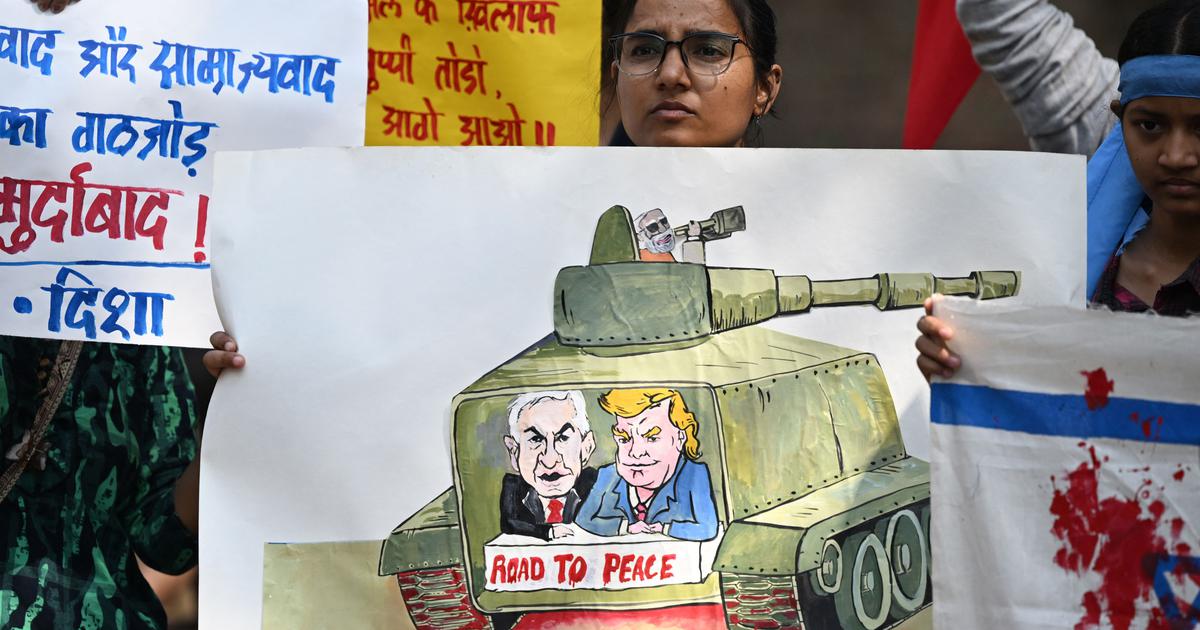
In a surprising turn of events, US President Donald Trump accepted a two-week ceasefire proposal from Pakistan in the ongoing conflict with Iran. This decision, made public on a Tuesday night, has brought a temporary sense of relief to the international community amidst rising concerns over Trump’s earlier threats to revert Iran to “the stone age” and dismantle its civilization. The ceasefire offers a critical opportunity for diplomatic negotiations aimed at achieving a long-lasting peace in the Middle East.
Despite this temporary reprieve, experts warn that the path to a comprehensive peace agreement is fraught with challenges. The US, Israel, and Iran have been embroiled in intense military confrontations over the past six weeks, leading to significant casualties and widespread destruction. The conflict escalated with coordinated attacks by US and Israeli forces, prompting a fierce response from Tehran. In a broader sense, the repercussions of this warfare have rippled through the global economy, most notably affecting oil prices and leading to inflationary pressures as Iran announced the closure of the crucial Strait of Hormuz.
Initially, President Trump appeared to underestimate the complexities of the situation, believing that the superior military capabilities of the US and Israel would swiftly force Iran to capitulate. However, Iran’s resilience, coupled with the suppression of domestic unrest earlier in the year, has defied Trump’s expectations. This miscalculation may have serious implications for US foreign policy and the stability of the Middle East.
As diplomatic talks begin, the focus will shift towards creating a definitive agreement that guarantees long-term peace not only between the US and Iran but also throughout the Middle East. Observers are keenly watching how the US will navigate the intricate political landscape, which includes varying interests of regional players and the potential for renewed hostilities if negotiations falter.
In conclusion, while the ceasefire marks a significant step toward de-escalation, the journey towards a lasting resolution is likely to be rocky. The world watches closely, hopeful that dialogue will triumph over conflict, yet aware of the numerous hurdles that lie ahead. Only a well-structured and mutually beneficial agreement will secure peace in a region that has seen far too much turmoil.