Civil Society Voices Alarm Over Lack of Transparency in Women’s Quota and Delimitation Amendments
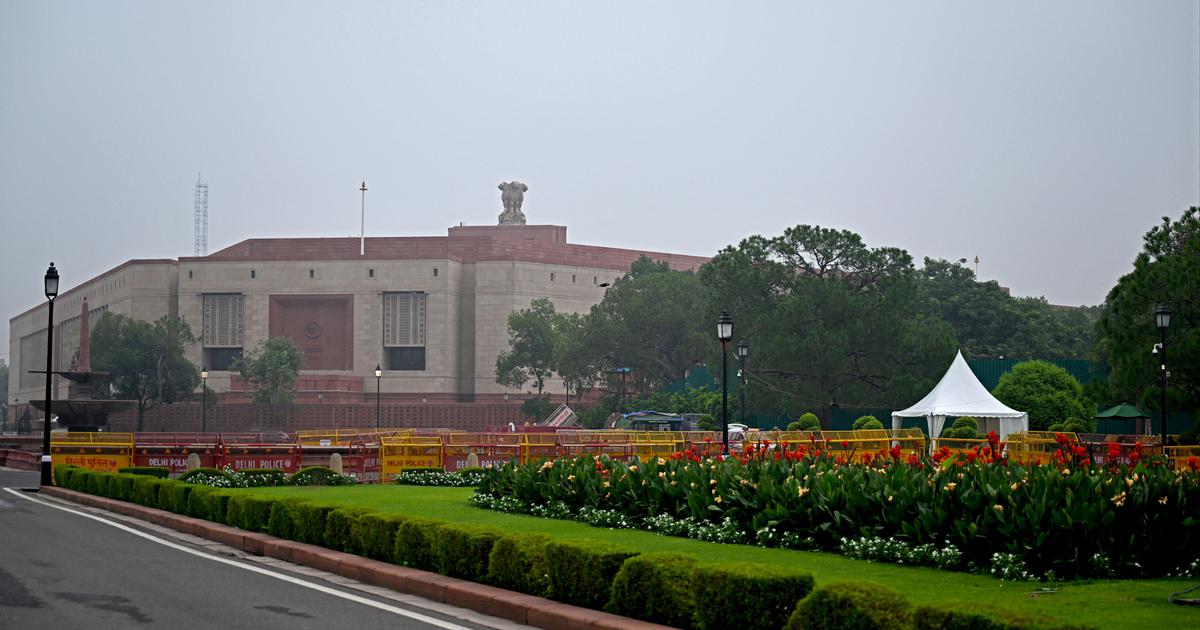
A coalition of scholars, activists, and former government officials has raised serious concerns regarding the apparent ambiguity surrounding the proposed amendments to the women’s reservation and delimitation bills. On Monday, this collective of 262 individuals issued a statement condemning what they describe as a ‘complete lack of transparency’ from the government as these significant legislative changes are set to be discussed in a special session of Parliament.
Their discontent is rooted in the alarming notion that the citizens of India have been left uninformed about the details of these bills, which hold substantial implications for the political landscape of the country. The group emphasized that it is ‘shocking’ that the rationale and potential effects of these constitutional amendments have not been disclosed to the public, particularly given their far-reaching impact on representation and governance.
Union Parliamentary Affairs Minister Kiren Rijiju previously announced that the Budget Session of Parliament would reconvene on April 16 for three days to introduce what he termed ‘important bills.’ This decision came in the wake of extending the session, which was originally set to conclude on April 2, ostensibly to accommodate discussions on amendments to the Women’s Reservation Act of 2023. However, the government has yet to clarify the reasons behind this extension, raising further questions about transparency in governance.
The Women’s Reservation Act, passed in 2023, reserves 33% of seats in both the Lok Sabha and state Assemblies for women, a groundbreaking initiative aimed at enhancing female representation in Indian politics. However, the implementation of this reservation is contingent upon the completion of a population census followed by a delimitation exercise, which determines the boundaries of electoral constituencies as outlined in Article 82 of the Indian Constitution.
Delimitation plays a crucial role in ensuring fair representation based on demographic changes, but the process often invites criticism and skepticism regarding its execution. As the country awaits the completion of the census, many citizens are left wondering how these amendments will affect their political voice and the overall democratic fabric of the nation.
The coalition of civil society members has called for immediate transparency and public discourse regarding these proposed changes. They argue that meaningful engagement and consultation with the public are essential to uphold democratic principles and ensure that the voices of all citizens, especially women, are heard in the political arena. The time has come for the government to shed light on these critical issues and involve the citizens in shaping the future of representation in India.