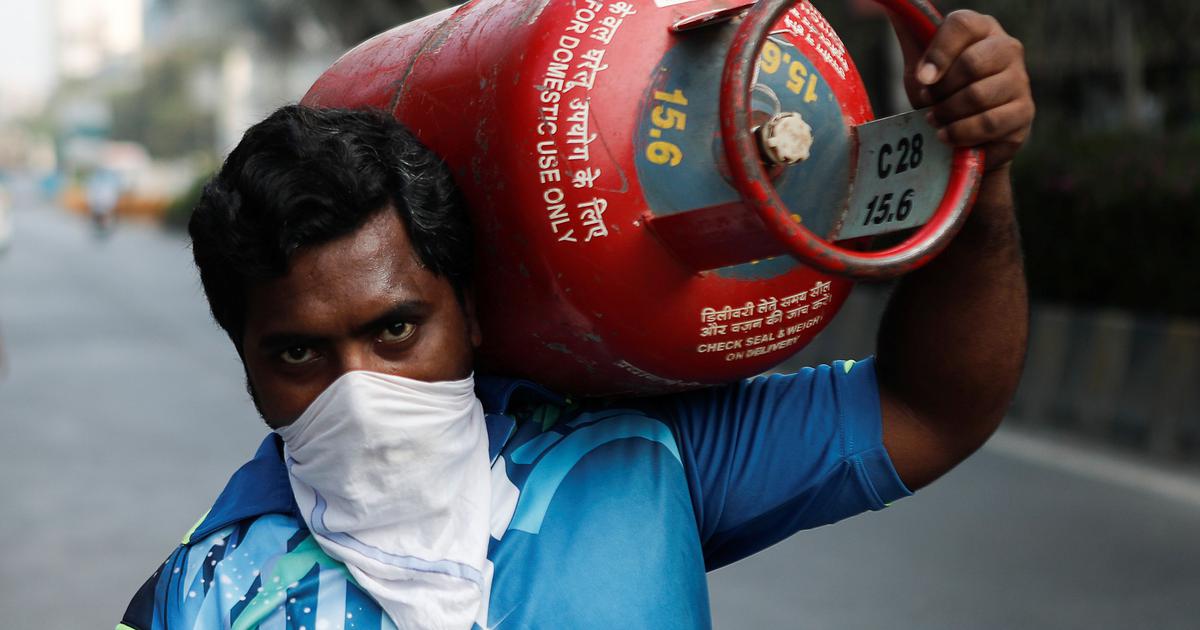
The ongoing conflict in West Asia has led to a significant rise in the price of commercial liquefied petroleum gas (LPG) in India, with an increase of Rs 195.5 effective Wednesday. This adjustment brings the cost of a 19-kg commercial LPG cylinder in Delhi to Rs 2,078.5, marking another strain on businesses already grappling with rising operational costs amid turbulent global energy markets.
This recent price hike follows a prior increase of Rs 114.5 per cylinder that was implemented on March 1. While the commercial sector faces escalating expenses, consumers relying on domestic cooking LPG can find some solace as prices remain unchanged. The last adjustment for domestic LPG, priced at Rs 913 for a 14.2-kg cylinder, occurred on March 7, with no new changes announced.
The dynamic pricing model employed by state-owned oil companies such as Indian Oil Corporation, Bharat Petroleum, and Hindustan Petroleum means that LPG rates are revised monthly, based on international market trends and currency fluctuations. However, the ongoing crisis in West Asia has disrupted energy supplies to India, which imports nearly 60% of its LPG requirements, predominantly from Gulf nations.
Since the escalation of the conflict on February 28, supplies have been notably affected. One of the critical chokepoints, the Strait of Hormuz, has been nearly blocked by Iran, disrupting the flow of approximately 20% of the world’s petroleum liquids. This blockade significantly impacts global energy prices, creating a ripple effect that is felt far beyond the borders of West Asia.
Despite the turmoil, there has been some fluctuation in global oil prices. On the same day as the LPG price hike, the benchmark Brent crude oil experienced a dip, falling to $105 per barrel from $115 the previous day. However, the overall trend indicates a worrying trajectory as geopolitical tensions continue to weigh heavily on the energy market. As India grapples with these developments, consumers and businesses alike must brace for the potential implications of sustained high energy prices.