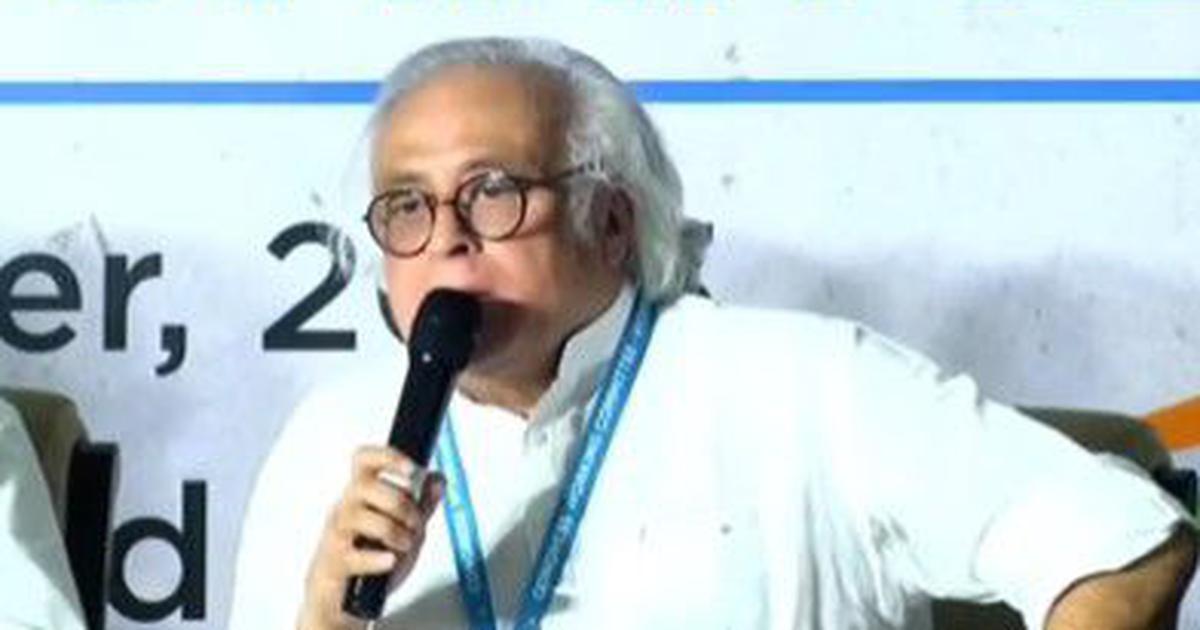
The Congress party has launched a strong critique against Prime Minister Narendra Modi’s government over its recent shift regarding the women’s reservation law in Parliament. On Friday, Congress MP Jairam Ramesh urged the Prime Minister to offer an apology to the women of India, highlighting what they view as a significant contradiction in the government’s stance.
This political uproar follows comments made by Modi on Thursday, wherein he suggested that the proposed changes to the Women’s Reservation Act align with the aspirations of Indian women. He called upon Members of Parliament from all parties to back the initiative aimed at enhancing women’s representation in legislative bodies. The Act, known as the Nari Shakti Vandan Adhiniyam, was passed earlier this year, mandating a 33% reservation for women in both the Lok Sabha and state assemblies.
However, the implementation of this progressive law is tied to the process of delimitation, which involves redrawing the boundaries of electoral constituencies based on data from the upcoming 2027 Census. This stipulation raises concerns that the actual enforcement of women’s reservations may be delayed until 2034, as the delimitation process might not be completed in time for the 2029 Lok Sabha elections.
Further intensifying the debate, the Union Cabinet recently approved a draft amendment bill that proposes an increase in Lok Sabha seats from the current 543 to 816. Within this expanded structure, approximately one-third of the new seats, totaling 273, are set aside for women, which Congress sees as a positive step but views the timeline for implementation as unacceptable.
Ramesh expressed his disappointment, stating that the PM’s rhetoric appears to contradict the reality of the reservations being postponed for such an extended period. The Congress party’s demand for an apology stems from what they perceive as a betrayal of the promises made to empower women in India’s political landscape.
A special session of Parliament is scheduled to convene from April 16 to April 18, where the proposed amendment bill is expected to be discussed in detail. This session may provide further clarity on the government’s intentions and the timeline for enacting the women’s reservation policy that many advocates have long fought for.