Congress Raises Concerns Over Proposed 50% Increase in Lok Sabha Seats, Impacts on Southern States
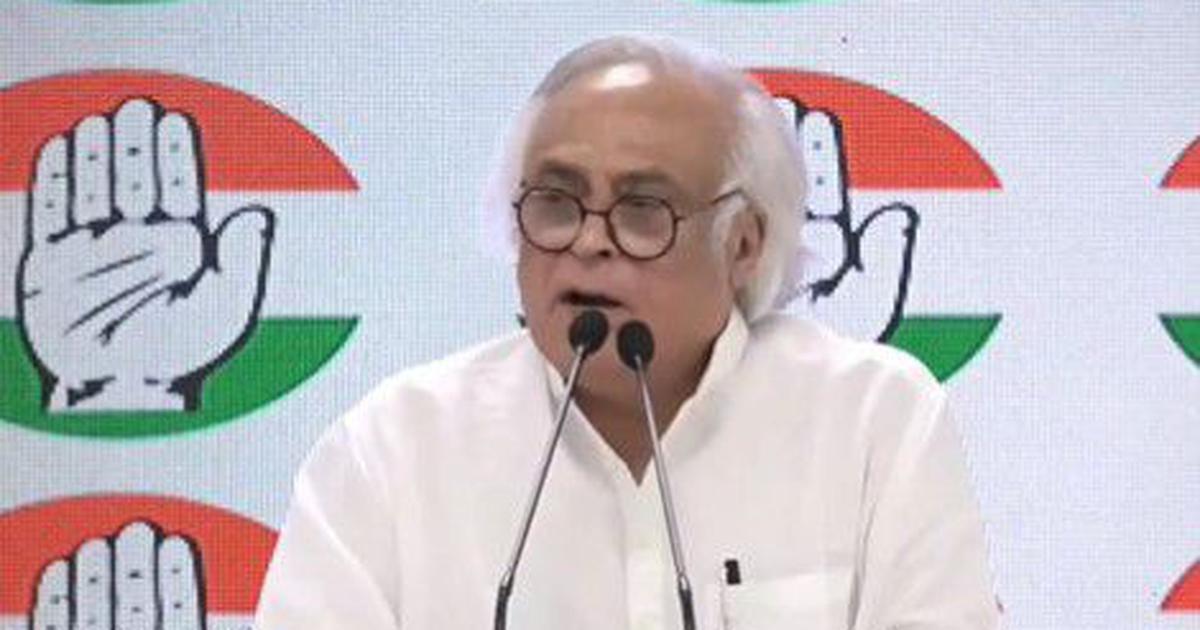
In a significant political development, the Congress party has voiced strong objections to the Union government’s plan to increase the number of Lok Sabha seats by 50%. This move, which Congress describes as a ‘bulldozing’ tactic, has raised alarms regarding its impact on the representation of Southern states in Parliament. Party leader Jairam Ramesh took to social media to articulate these concerns, asserting that the proposed increase in constituencies across all states could result in an unbalanced representation.
The proposal, which would raise the total number of Lok Sabha seats from 543 to 815, aims to expand the boundaries of constituencies by the same 50% in each state. While the change in seat numbers might seem equitable at first glance, Ramesh argues that the implications are far more complex. He contends that even though the proportional representation of each state remains unchanged, the practical effects of such a sweeping modification could disproportionately disadvantage states in South India.
The process of delimitation, which involves redrawing the boundaries of electoral constituencies, is grounded in Article 82 of the Indian Constitution. This article mandates that after each census, the allocation of parliamentary seats must reflect the population changes of the states. Currently, the Lok Sabha’s composition is based on the 1971 census, and the 84th Amendment Act of 2001 has effectively frozen these constituency boundaries until the completion of the first census after 2026.
As the nation embarks on a new population census, which commenced recently, the repercussions of this proposed increase in seats have sparked a lively debate among political parties and citizens alike. Critics of the proposal, including Ramesh, argue that while the total number of seats may increase, the fundamental issues of representation and equity may not be addressed adequately. They stress that the unique demographic and socio-economic contexts of Southern states deserve specialized attention, rather than a one-size-fits-all approach to parliamentary representation.
As the situation unfolds, it remains to be seen how the government will navigate these contentious waters. Observers note that discussions around delimitation and seat allocation are not just about numbers; they also reflect deeper issues of regional representation and fairness in the democratic process. The outcome of this initiative could have lasting implications for the political landscape of India, particularly for those states that feel marginalized by such sweeping changes.