The political landscape in India has become increasingly contentious as the Congress party criticized the government for its apparent diplomatic failure, following reports that Pakistan is mediating peace talks between the United States and Iran. With India historically positioned as a significant player in regional diplomacy, the Congress party’s leaders have voiced their concerns over the Centre’s inability to assert itself on the global stage.
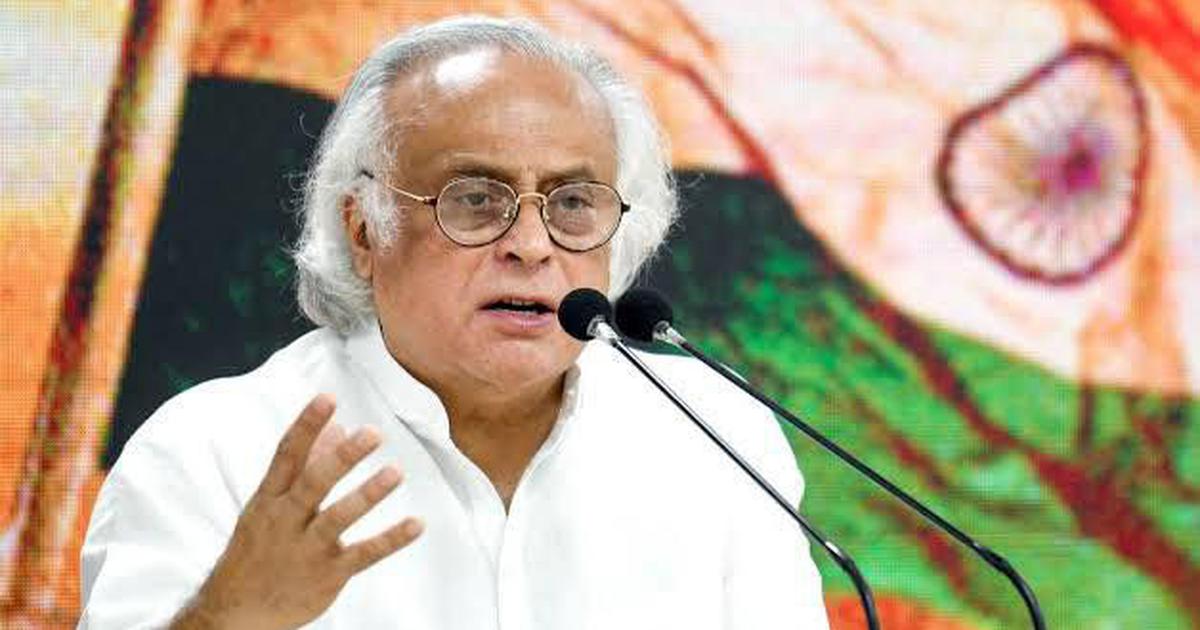
On Thursday, Congress leader Jairam Ramesh expressed his dismay, labeling the situation a “colossal failure” of India’s diplomatic efforts. He emphasized that the current government has allowed Pakistan, a nation often viewed through a lens of conflict and instability, to take on the role of a broker in crucial international negotiations. Ramesh’s remarks came hot on the heels of External Affairs Minister S. Jaishankar’s assertion that India does not wish to be perceived as a “dalaal” or broker like Pakistan.
This criticism follows Jaishankar’s comments during an all-party meeting on the West Asia conflict, where he highlighted Prime Minister Narendra Modi’s message to former US President Donald Trump about India’s desire for peace and stability in the region. He indicated that the ongoing conflict affects not just the nations involved but has broader implications that resonate globally.
Ramesh, however, did not hold back in highlighting the embarrassment India faces in the diplomatic arena. He pointed out that for a country like Pakistan, often facing international isolation due to its internal issues and historical conflicts, to be considered for a mediating role is a striking indictment of the current government’s diplomatic approach. He argued that the Modi administration has failed to effectively manage India’s narrative on the world stage, allowing Pakistan to regain a sense of agency in international relations.
The situation is exacerbated by the incendiary statements made by Pakistan Army Chief General Asim Munir, which Ramesh claims have fueled terrorism and violence in India, particularly referencing the recent attacks in Pahalgam. The Congress leader criticized the government’s inability to leverage this situation to isolate Pakistan diplomatically, suggesting that the backdrop of such provocations makes the current state of diplomacy all the more alarming.
This development raises critical questions about India’s foreign policy direction and its effectiveness in navigating complex international relationships. As the Congress party continues to scrutinize the government’s handling of regional and global issues, it remains to be seen how the ruling administration will respond to these challenges and whether it can reclaim its influence on the diplomatic front.