Connecting the Dots: Wildlife Corridors Boost Tiger Population Between Madhya Pradesh and Chhattisgarh
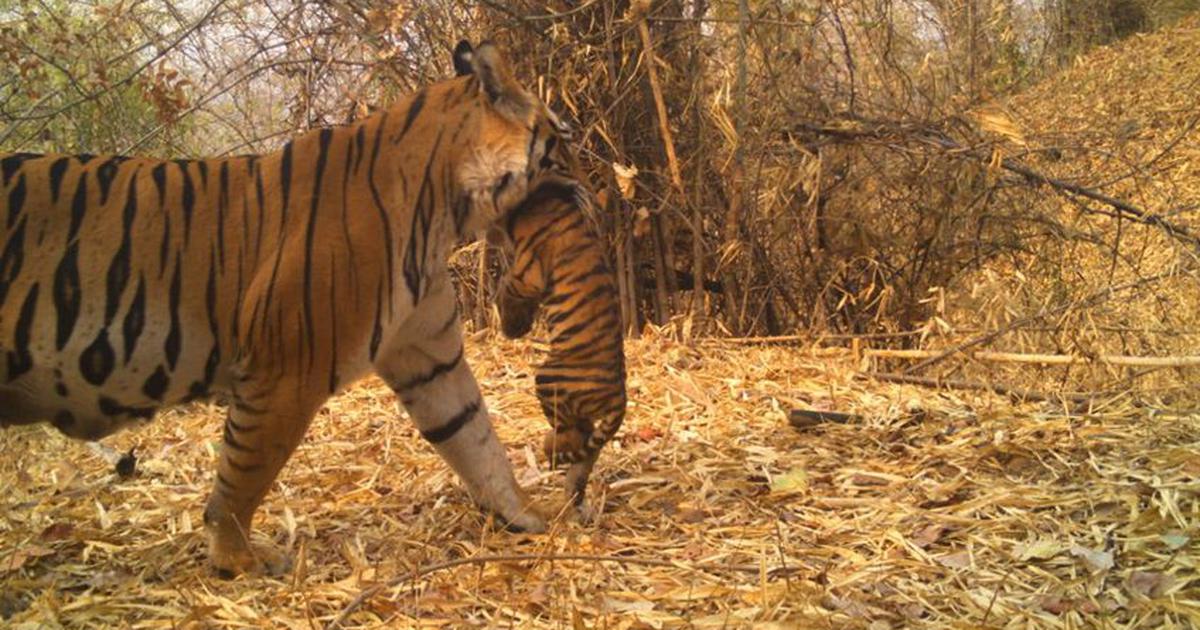
The resurgence of the tiger population in India is often attributed to strategic conservation efforts, and the establishment of wildlife corridors is one such initiative gaining attention. A fascinating example of this can be seen in the remarkable journey of a young tigress, affectionately named Jhumri, who made headlines for crossing state boundaries from Madhya Pradesh to Chhattisgarh.
In 2018, this young tigress disappeared from the camera traps situated in the Bandhavgarh Tiger Reserve, one of the most renowned sanctuaries in India, known for its high density of tigers. Despite extensive monitoring, there were no signs of conflict, carcasses, or poaching incidents reported in the area. For almost three years, Jhumri’s absence left conservationists puzzled, as the absence of evidence suggested she had ventured beyond the confines of the reserve rather than succumbing to a threat within it.
The mystery surrounding her disappearance was finally unraveled in 2021 when camera traps in the adjoining Achanakmar Tiger Reserve, located in Chhattisgarh, captured images of a tigress accompanied by cubs weaving through lush sal forests. Verification of her stripe patterns confirmed the suspicions of wildlife officials: Jhumri was alive and had successfully navigated an impressive distance of nearly 400 kilometers across state lines.
This noteworthy journey is a testament to the natural instincts of tigers, particularly during the dispersal phase, which typically occurs when they reach the age of two to three years. At this point in their lives, young tigers often leave their natal territory in search of new habitats to avoid competition and ensure survival. The landscape surrounding Bandhavgarh is known for its high prey density, which, while beneficial for the species, can also lead to increased competition among the resident tigers.
Wildlife corridors play a crucial role in facilitating such movements among tiger populations. These designated pathways not only provide safe passage for animals like Jhumri but also mitigate human-wildlife conflicts by ensuring that tigers can traverse between habitats without encountering populated areas. The collaboration between Madhya Pradesh and Chhattisgarh in maintaining these corridors is vital for the long-term sustainability of tiger populations, fostering genetic diversity, and ultimately enhancing their chances of survival.
As India continues to strengthen its conservation policies, the story of Jhumri serves as an inspiring reminder of nature’s resilience and the importance of collaborative efforts in wildlife management. The success witnessed in both Bandhavgarh and Achanakmar reinforces the potential for corridors to facilitate wildlife movement and improve the overall health of ecosystems, making it imperative for authorities and communities alike to prioritize the protection of such vital natural resources.