The recent move by the Union government to liberalise liquor sales in Ladakh while lifting the longstanding prohibition in Lakshadweep has ignited significant backlash from various community groups and local leaders. Critics argue that these changes threaten the cultural fabric and social norms of these regions, which have historically resisted liquor consumption.
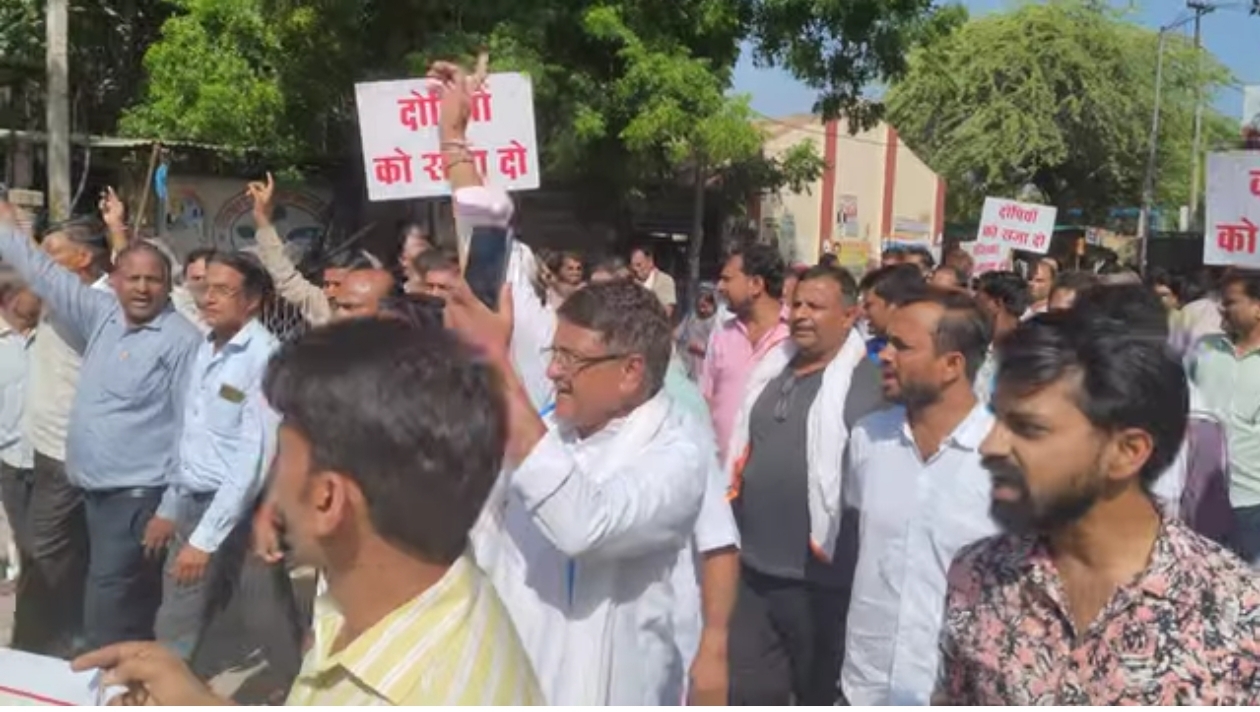
In Ladakh, the Ladakh Buddhist Association has publicly condemned the new policy, advocating for a “safe, healthy, and drug-free future” for the Union Territory. Alongside them, the Jamiat Ul Ulama Isna Asharia Kargil has also voiced its dissent, demanding an immediate halt to the sale and distribution of alcoholic beverages. The opposition stems from a collective desire to maintain Ladakh’s cultural and spiritual integrity amidst growing concerns about substance abuse.
Turning to Lakshadweep, where prohibition has been in effect since 1979, the community remains staunchly opposed to the Centre’s decision. With a majority Muslim population, residents and civil society organisations have historically fought against any attempts to relax liquor laws. They contend that such measures are being imposed without the consent of the local populace, undermining their social values and traditions.
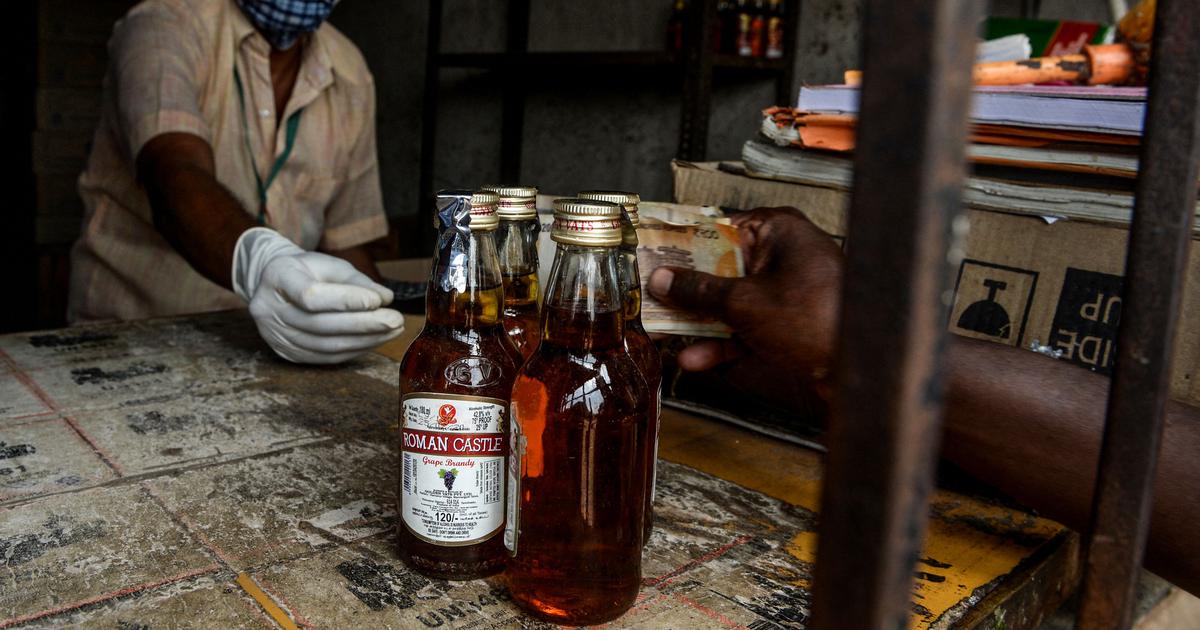
On May 30, Lieutenant Governor VK Saxena approved the new liberalised liquor policy in Ladakh, which permits the sale of hard liquor, including both foreign and Indian Made Foreign Liquor (IMFL). Previously, only beer, wine, and ready-to-drink options were permitted for retail sale. Proponents of the policy argue that it aims to strengthen regulation, tackle illicit trade, and enhance tourism by providing a wider variety of choices for responsible consumption.
Interestingly, the new policy also allows the establishment of liquor outlets in guest houses and homestays, expanding the scope of where liquor can be sold. Prior regulations had restricted this to hotels only, a move that critics argue may lead to alcohol being more accessible, particularly to younger and more vulnerable populations.
This recent decision has reignited discussions around the balance between promoting tourism and preserving local traditions. As Ladakh and Lakshadweep navigate these changes, the voices of local communities will be crucial in determining the future of liquor regulations in these unique regions of India.