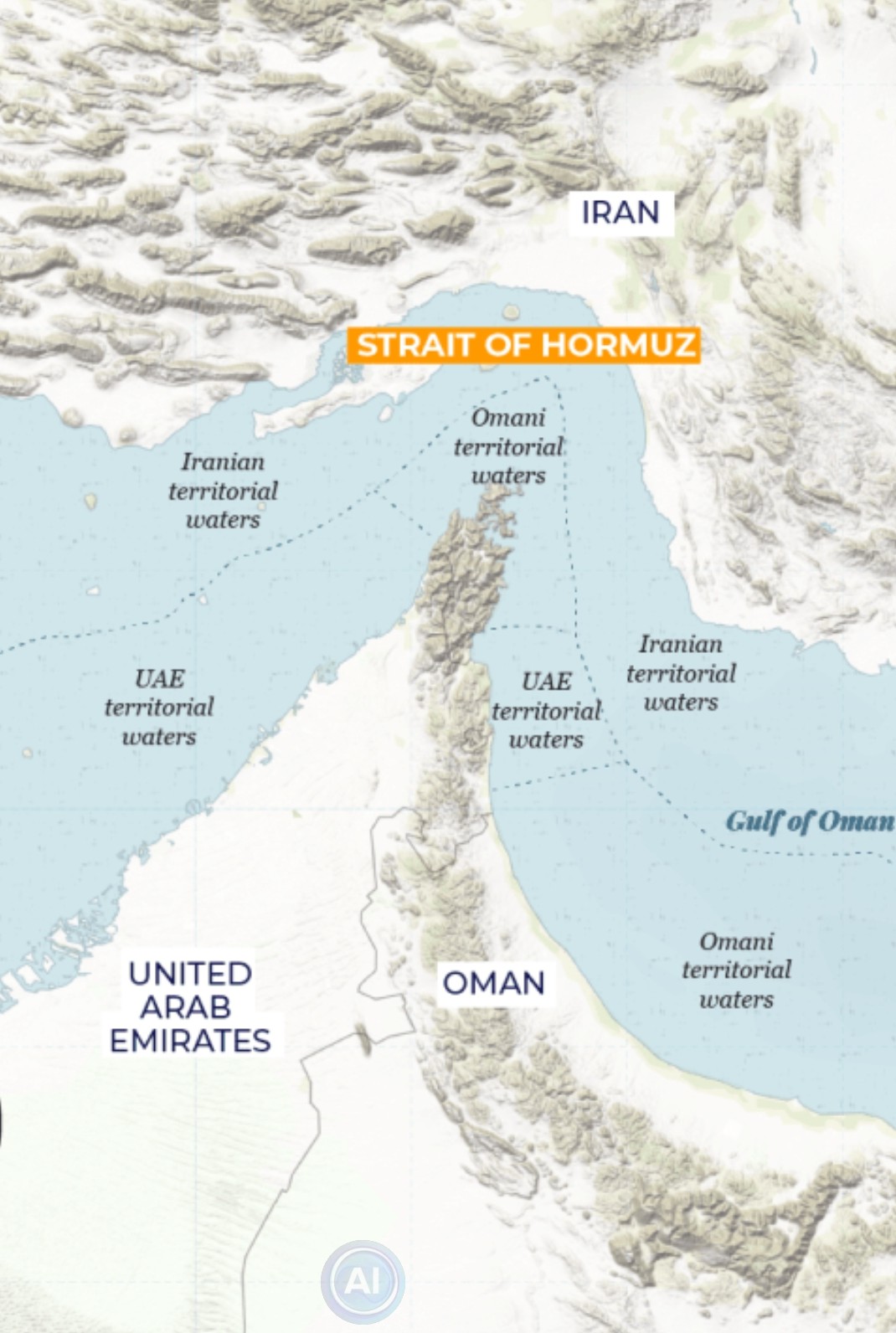
In a major diplomatic breakthrough amidst a deepening global energy crisis, Iran has granted a “rare exception” to Indian-flagged vessels, allowing them to transit through the heavily blockaded Strait of Hormuz.
The move follows high-level negotiations between New Delhi and Tehran as India grapples with a severe domestic shortage of Liquified Petroleum Gas (LPG).
Crisis in the Strait: The Context
The Strait of Hormuz, a vital maritime chokepoint through which approximately 20% of the world’s oil and 25% of its LNG passes, has been effectively closed to most traffic since late February 2026. This followed a significant military escalation involving the United States, Israel, and Iran.
Tehran’s blockade has left hundreds of ships stranded, causing global oil prices to surge by over 30% and sparking fears of a worldwide economic shock. For India, the stakes are existential: the country relies on the Strait for nearly 90% of its LPG and over half of its LNG imports.
A Diplomatic Lifeline for India
On Saturday, March 14, 2026, Iran’s Ambassador to India, Mohammad Fathali, confirmed at the India Today Conclave that Tehran had begun allowing specific Indian vessels to pass.
”Yes, we have allowed some ships to pass through Hormuz… Iran and India have historical relations and common interests,” Fathali stated, though he declined to provide a specific number of vessels cleared for passage.
Shortly after the Ambassador’s remarks, Rajesh Kumar Sinha, Special Secretary at the Ministry of Ports, Shipping and Waterways, confirmed that the first phase of the transit was successful.
Key Details of the Passage
Vessels: Two Indian-flagged LPG carriers, the Shivalik and the Nanda Devi, successfully crossed the Strait.
Cargo: The tankers are carrying a combined 92,712 metric tonnes of cooking gas.
Destinations: The Shivalik is bound for Mundra Port (expected March 16), while the Nanda Devi is heading to Kandla Port (expected March 17).
Safety: The vessels reportedly crossed under the watchful eye of the Indian Navy and are currently en route to the western coast of India.
The Human and Economic Toll
Despite this success, the crisis is far from over. As of March 16, government officials reported:
22 Indian-flagged vessels remain stuck west of the Strait in the Persian Gulf.
Approximately 611 Indian seafarers are currently onboard these stranded ships.
LPG Scarcity: India is facing its worst gas shortage in decades, with the government urging citizens to avoid “panic booking” as domestic supplies are prioritized for households.
No “Blanket Arrangement”
India’s External Affairs Minister, S. Jaishankar, clarified that this was not a “blanket arrangement” but the result of intense, ship-by-ship diplomacy. He emphasized that the passage was secured through “reasoning and coordination” rather than a transactional exchange, citing the deep-rooted historical ties between the two nations.
While the passage of these two tankers offers a temporary reprieve, the global energy market remains on edge as the broader blockade continues to choke the world’s most critical energy artery.