Death with Dignity: India’s Supreme Court Opens the Door to Passive Euthanasia – A Landmark for Mercy or a Slippery Slope?
In a ruling that has reignited national debate on life, death and human dignity, the Supreme Court of India on March 11, 2026, granted the country’s first-ever judicial approval for passive euthanasia. The case involved 32-year-old Harish Rana from Ghaziabad, who has lain in a permanent vegetative state (PVS) for 13 years following a 2013 accident. His family’s plea to withdraw life-sustaining treatment – including clinically assisted nutrition and hydration (CANH) – was accepted after medical boards confirmed the condition was irreversible. For the first time, the guidelines laid down by the apex court in 2018 were not just theoretical; they were applied in practice.
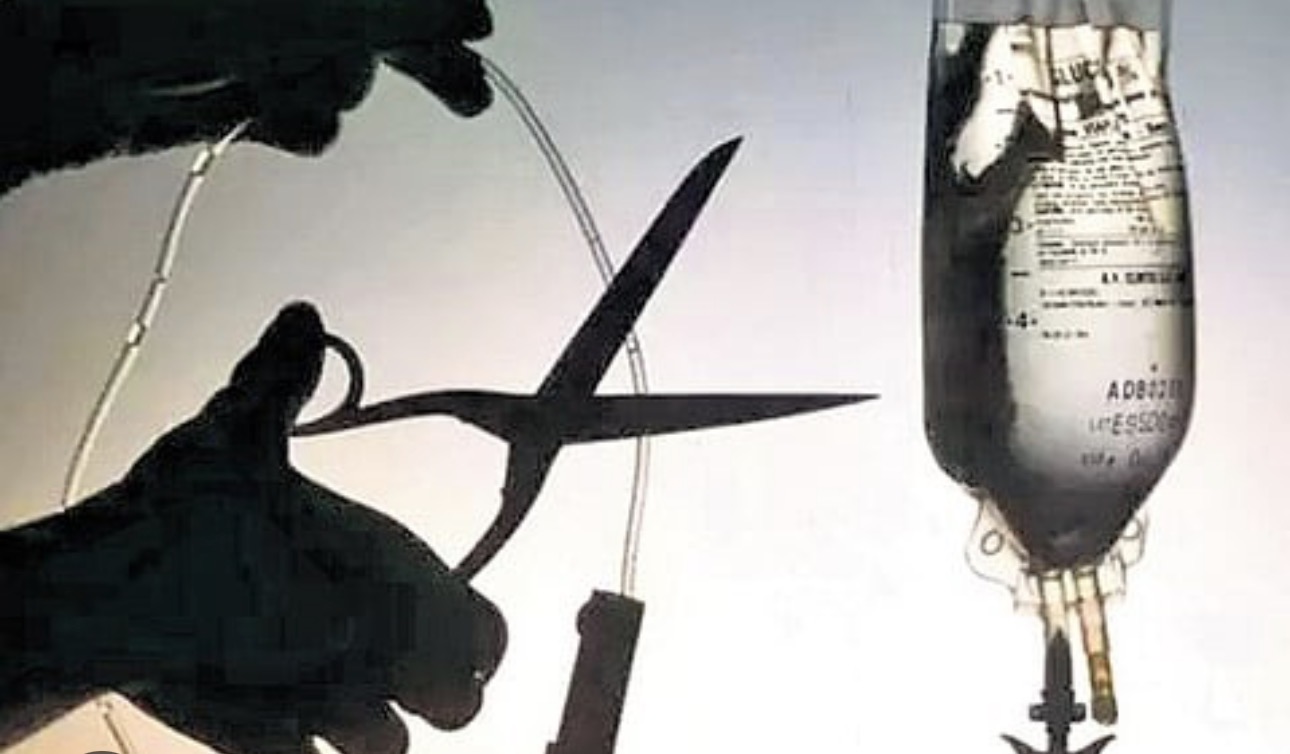
Passive euthanasia, unlike the active form (which remains illegal in India), involves the withdrawal or withholding of artificial life support – ventilators, feeding tubes or medications – to allow a terminally ill or PVS patient to die naturally. It is not “killing” but “letting die” when further treatment is futile.
The Legal Journey: From Aruna Shanbaug to Harish Rana
The evolution began in 2011 with the Aruna Shanbaug case. The nurse, raped and left in PVS for 37 years, became the face of the debate. The Supreme Court refused her euthanasia but, for the first time, declared passive euthanasia legal under strict safeguards: High Court approval, medical board certification, and consent from next-of-kin or a “next friend”. Aruna died naturally in 2015, but the judgment opened the constitutional door.
Seven years later, in Common Cause v. Union of India (2018), a five-judge Constitution Bench went further. It held that the right to die with dignity is an integral part of Article 21 (Right to Life). Patients can execute “living wills” or Advance Medical Directives (AMD) refusing treatment in terminal illness. Detailed procedures were laid down to prevent misuse. In 2023, the Court simplified these guidelines to make them practical, reducing red tape while retaining safeguards like mandatory medical board reviews and judicial oversight.
The 2026 Harish Rana verdict is the watershed. The Court clarified that CANH via PEG tubes or nasogastric feeding is medical treatment, not basic care, and can be lawfully withdrawn. It reiterated: “The right to live with dignity includes the right to die with dignity.” For incompetent patients (like those in PVS), the “best interest” test applies – family wishes, medical opinion and dignity trump prolonged biological existence.
Arguments That Shaped the Courtroom Battles
In favour (advanced by petitioners in Common Cause and Rana’s family):
• Article 21 encompasses autonomy, privacy and dignity. Forcing a patient to endure years of unconsciousness, infections, bedsores and family financial ruin violates these rights.
• Modern medicine can prolong life artificially; it should not prolong suffering. Withdrawal merely accelerates a natural process already underway.
• Living wills empower competent adults; for others, safeguards protect against abuse.
Against (initially by the government and some medical bodies):
• Sanctity of life is absolute; doctors must preserve life, not end it.
• Risk of misuse – pressure on poor families, misdiagnosis, or a “slippery slope” towards active euthanasia.
• Religious and cultural sensitivities in India, where life is seen as a divine gift.
The Court consistently rejected the absolute sanctity argument, balancing it with evidence-based medical futility and constitutional values.
Is Passive Euthanasia “Right”?
The question divides India. Proponents argue it is profoundly humane: scientific data shows patients in PVS for over a year have virtually zero chance of meaningful recovery. Prolonged ventilation or tube-feeding often leads to complications – pneumonia, sepsis, organ failure – causing more pain than peace. Palliative-care experts worldwide (and increasingly in India) emphasise quality of life over quantity.
Socially, the reality is stark. ICU care costs lakhs per month; families mortgage homes or sink into debt. In a country with limited hospice infrastructure and conservative family structures, passive euthanasia offers relief from both physical agony and emotional exhaustion. Hindu philosophy recognises “prayopavesa” (voluntary fasting unto death) in terminal cases; many ethicists see passive euthanasia as its modern, medically supervised equivalent.
Critics, however, warn of dangers. In a patriarchal, economically unequal society, elderly or disabled members could be nudged towards withdrawal for inheritance or cost reasons. Doctors fear moral injury and legal harassment. Religious groups (across faiths) argue life must run its full course.
A Final Comment Grounded in Facts
Socially and scientifically, the tide has turned. India’s ageing population, rising chronic diseases and exploding healthcare costs make end-of-life conversations unavoidable. Studies from the Indian Council of Medical Research and global palliative-care data confirm that most PVS patients experience no awareness or recovery after prolonged periods; continued artificial support becomes mere prolongation of biological death, not life. The 2026 ruling, coupled with simplified 2023 guidelines, strikes a careful balance: rigorous medical-board scrutiny, family consent, and judicial review minimise abuse while upholding dignity.
Yet the judgment itself urges Parliament to enact comprehensive legislation rather than leaving the matter to case-by-case court orders. Until then, passive euthanasia remains a judicially recognised right – exercised with caution, compassion and evidence.
India has taken a courageous, humane step. In a nation that reveres life, we have finally acknowledged that sometimes the kindest gift is permission to let go. The challenge now is to ensure this right is exercised responsibly – so that no one dies in indignity, and no one is hurried towards death for the wrong reasons.