Delhi High Court Rebukes Richa Chadha and Media for Spreading Unverified Sexual Misconduct Claims
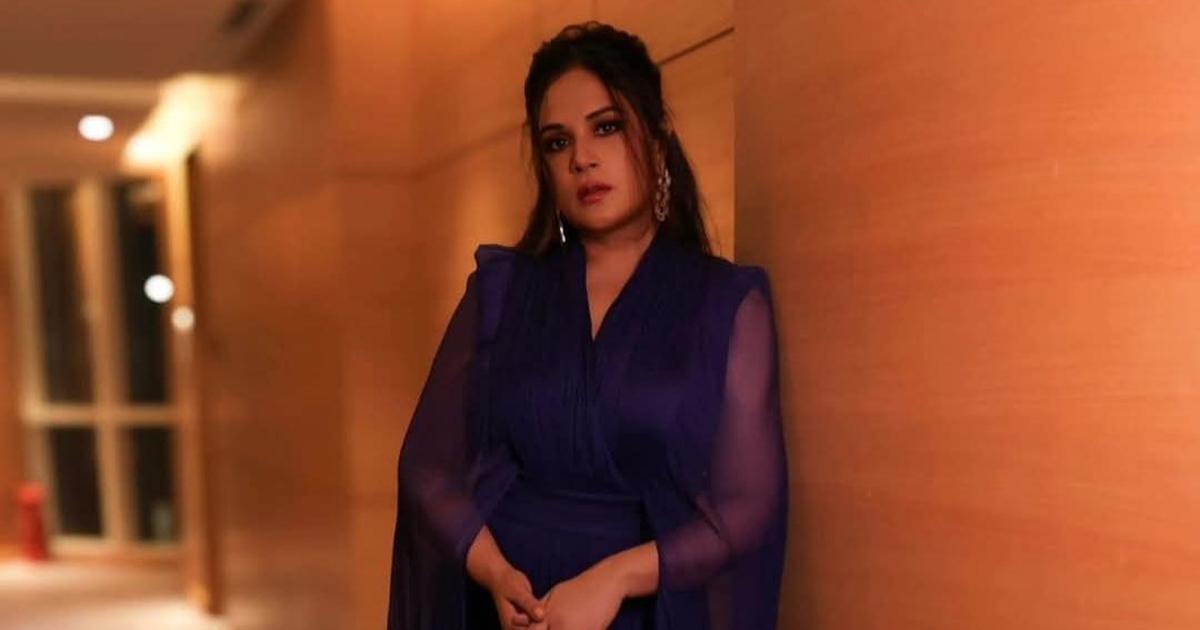
The Delhi High Court has recently taken a critical stance against actor Richa Chadha and various media outlets for their involvement in disseminating unverified allegations of sexual misconduct against an individual aboard an IndiGo flight. The incident, which occurred on March 11, has sparked a significant legal and ethical debate regarding the responsibilities of public figures and the media in cases of serious accusations.
Justice Vikas Mahajan, who presided over the case, described the actions of amplifying these unverified claims as a form of “digital vigilantism.” He emphasized that such public shaming carries the potential to inflict profound and lasting damage on a person’s reputation. The controversy erupted when a female journalist accused a fellow passenger of inappropriate behavior during the flight from Delhi to Mumbai. Following the flight, she took to social media to publicly share her allegations, complete with the man’s identity, image, and professional background, which quickly gained traction and was widely reported by various media outlets.
Among those who shared the allegations was Richa Chadha, who commented on the matter with the provocative statement “make him famous.” While her intention may have been to support the alleged victim, the court highlighted the potential consequences of such endorsements, particularly from individuals in influential positions. The accused has since denied the allegations, asserting that he was seated and asleep throughout the journey. In response to the accusations, he has filed a defamation lawsuit in the Delhi High Court, seeking redress for the damage to his reputation.
The court’s remarks have raised critical questions regarding the intersection of public discourse, media responsibility, and the principle of free speech. Justice Mahajan pointed out that public figures like Chadha have a legal and moral obligation to thoroughly verify facts before contributing to the spread of serious accusations. This reinforces the notion that the dissemination of unverified information can lead to irreversible harm, not only to individuals but also to the broader societal discourse surrounding sensitive issues like sexual misconduct.
In light of the growing influence of social media, the court has called for a more cautious approach when dealing with unverified allegations. It is essential for both public figures and media representatives to reflect on the repercussions of their actions, especially in cases that involve sensitive topics that resonate deeply within society. The court also acknowledged that Chadha had subsequently removed her post, yet it expressed hope that she and others would refrain from exacerbating the situation further. This case serves as a pertinent reminder of the profound impact that words and images can have in the digital age, urging a more responsible approach to sharing information.