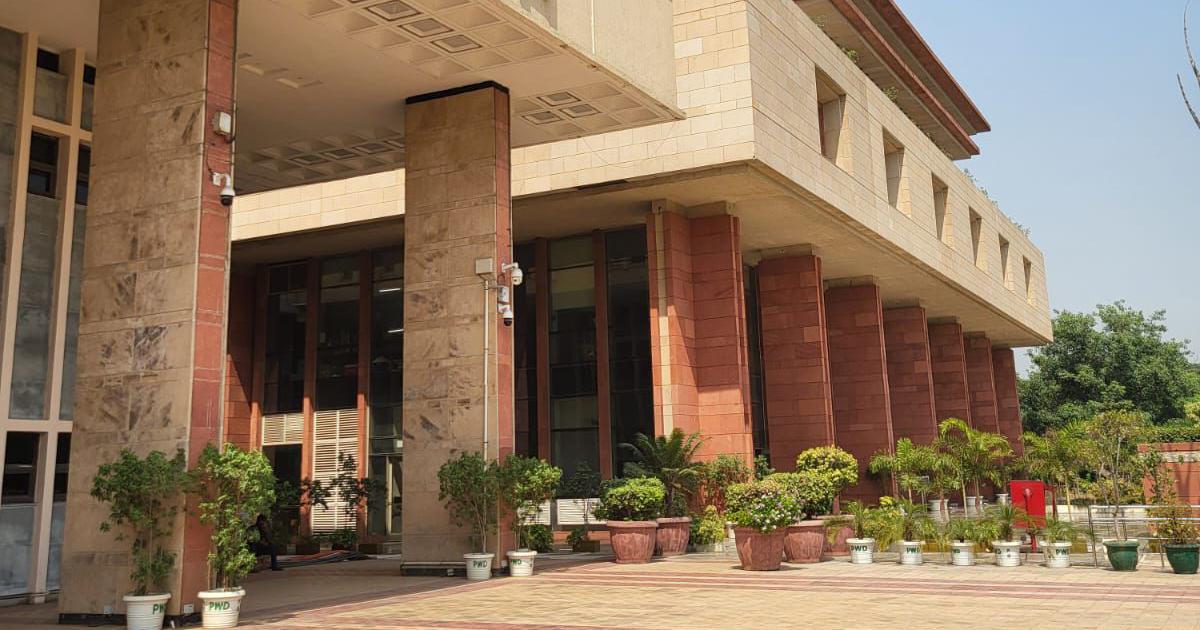
The Delhi High Court has delivered a significant ruling emphasizing that universities must not impede peaceful protests that diverge from the institution’s ideological stance. This verdict emerged following the case of a student from Dr. B.R. Ambedkar University, who faced expulsion due to her participation in protests that were deemed contrary to the university’s management views.
In a landmark judgment issued on March 13, Justice Jasmeet Singh declared that the university’s disciplinary actions against the student were “highly disproportionate” and lacked legal justification. The court’s decision underscores the essential role of educational institutions as platforms for discourse and critical thinking, rather than environments that stifle dissent.
Justice Singh stressed that universities are not merely places for academic instruction; they serve as incubators for independent thought and critical inquiry. He articulated that a university’s mission is compromised when it demands unwavering obedience from its students, effectively silencing protests and critical opinions. A conducive educational atmosphere, he noted, is one that embraces peaceful protests as part of healthy discourse.
The court highlighted that non-violent demonstrations should not be misconstrued as misconduct. Instead, they should be recognized as integral to fostering an environment where students feel free to express their views and challenge prevailing ideologies. The ruling resonates with a growing sentiment among Indian students who increasingly engage in activism and seek to voice their concerns on various pressing issues.
This judgment not only sets a precedent for student rights within educational institutions but also reinforces the idea that dissent is a fundamental aspect of democracy. The Delhi High Court’s stance invites universities to reassess their approaches toward student engagement, encouraging them to cultivate an environment where diverse opinions can coexist and be debated openly.