Delhi-NCR Moves Toward Cleaner Transport as BS-IV Commercial Vehicle Restrictions Tighten
New Delhi: Authorities in Delhi-NCR are continuing efforts to reduce vehicular pollution through stricter emission norms and the gradual transition to cleaner transport technologies, including BS-VI-compliant and electric vehicles.
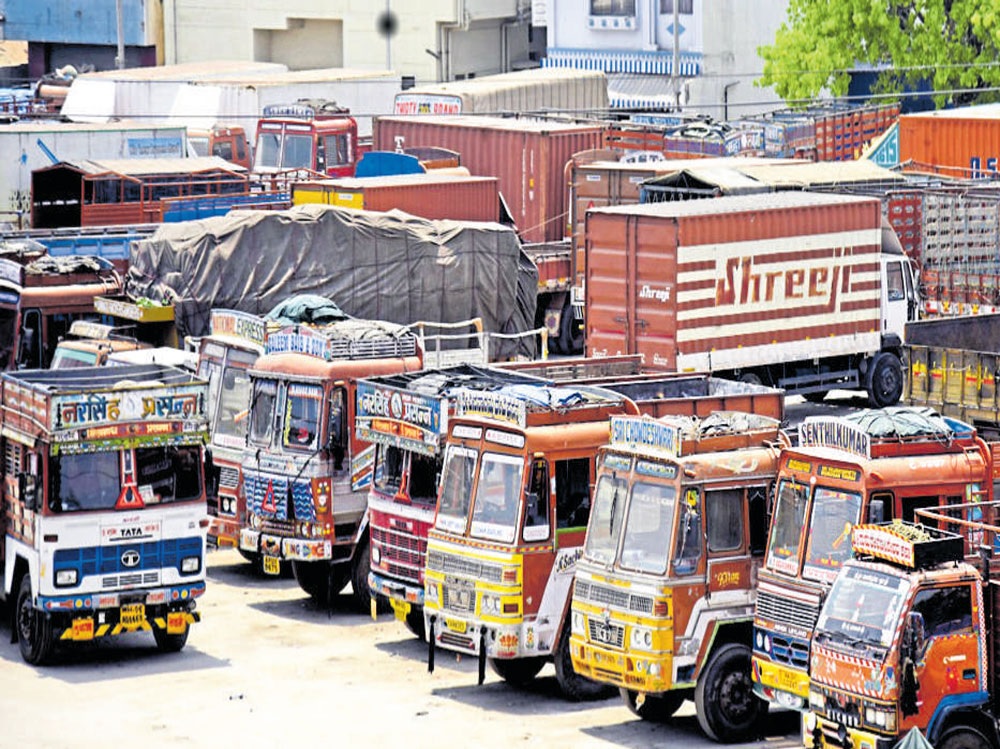
The Delhi government, along with various regulatory agencies and court-directed environmental measures, has been implementing policies aimed at reducing emissions from older and more polluting vehicles. While age and emission restrictions also apply to private vehicles, commercial transport vehicles remain a key focus because of their significant contribution to air pollution.
According to official data, Delhi-NCR has approximately 3.3 crore registered vehicles, of which around 2.2 crore have valid registration and fitness certificates. Government estimates indicate that medium and heavy commercial vehicles contribute substantially to vehicular pollution in the region.
In December 2025, the Commission for Air Quality Management (CAQM) issued directions stating that commercial goods vehicles registered outside Delhi and not compliant with BS-VI emission norms will not be permitted to enter the National Capital from November 1, 2026.
Meanwhile, reports indicate that policymakers are examining measures to encourage the replacement of older BS-IV trucks and buses with cleaner alternatives, including BS-VI-compliant and electric vehicles. However, any such incentive scheme will be subject to formal approval and official notification by the relevant authorities.
Environmental experts believe that the modernization of commercial vehicle fleets, combined with stricter emission standards and the adoption of cleaner technologies, could play an important role in improving air quality across the Delhi-NCR region.
Authorities have reiterated that reducing vehicular emissions remains a key component of ongoing efforts to address seasonal air pollution challenges, particularly during the winter months when air quality typically deteriorates.