Dholes Return to Kaziranga–Karbi Anglong Landscape, Assam CM Highlights Conservation Success
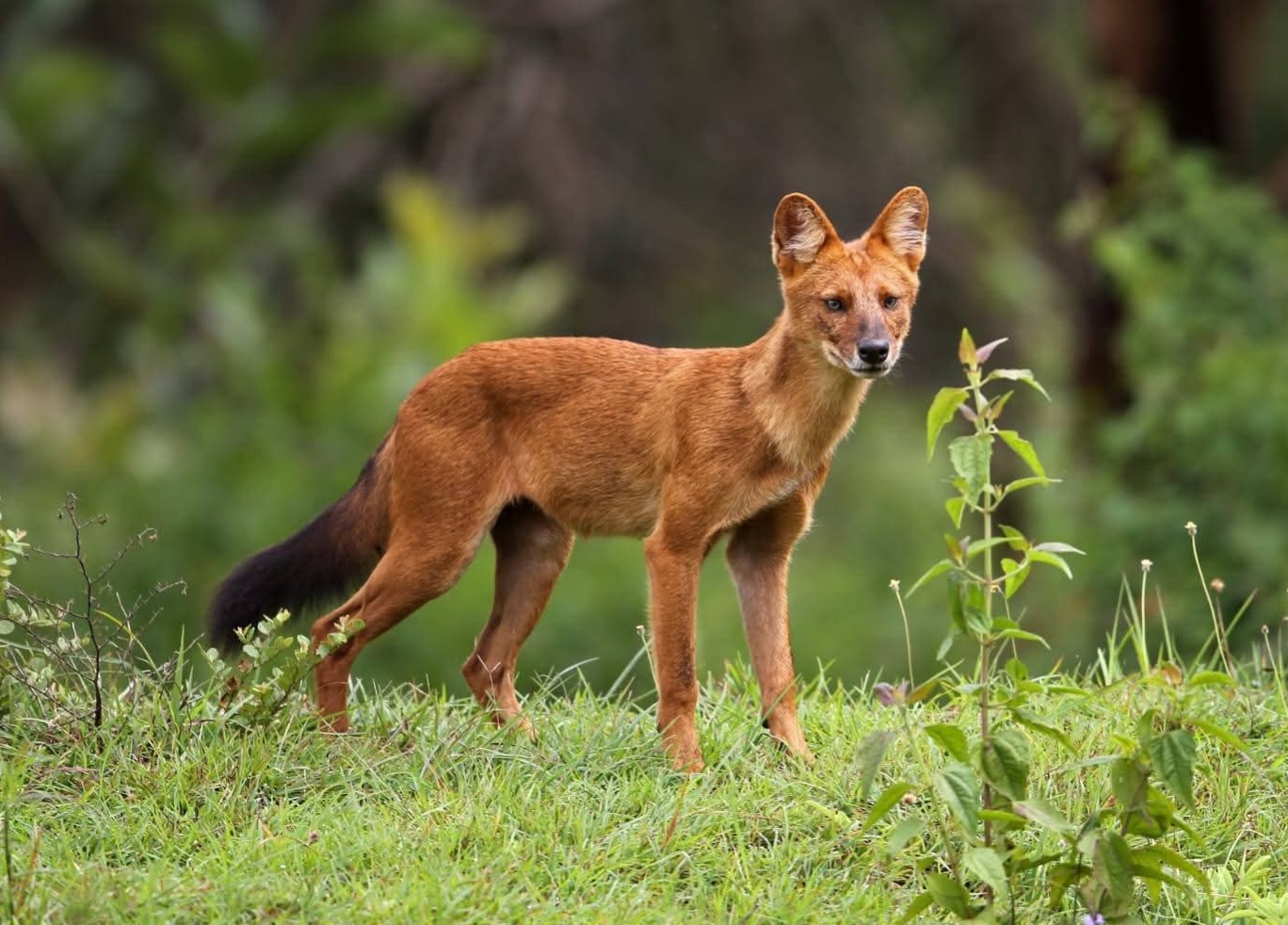
The forests of Kaziranga National Park and the adjoining forest areas of Karbi Anglong district were once considered natural habitats of the endangered Dhole, also known as the Asiatic wild dog or “Rangkukur” in Assamese.
For years, wildlife experts believed that Dhole packs had disappeared from this landscape. However, in 2022, researchers from the Wildlife Institute of India captured camera-trap images confirming the species’ presence in the region.
Later, a research team from the University of Wisconsin–Madison Department of Forest and Wildlife Ecology conducted further surveys in the extended forest areas and reportedly sighted and photographed Dhole packs in the wild.
Reacting to the development, Assam Chief Minister Himanta Biswa Sarma shared a post on social media describing the return of Dholes to their natural habitat as a positive sign for biodiversity conservation and forest restoration efforts in the region.
According to the Chief Minister, improved forest connectivity, anti-encroachment measures, and long-term conservation initiatives have helped create conditions favorable for wildlife recovery. He described the journey from a single camera-trap image in 2022 to confirmed sightings of a pack in 2026 as an encouraging conservation milestone.
The research team has been led by Assamese researcher Jyotish Ranjan Deka in collaboration with Kaziranga National Park authorities and the Wildlife Institute of India. The team also included researchers and field assistants from different parts of Assam.
Researchers stated that during a field survey conducted earlier this year, the team directly sighted a Dhole in the extended forest area. Fresh tracks of multiple animals were later found, indicating the movement of a pack in the region.
The Dhole is currently listed as an endangered species by the International Union for Conservation of Nature (IUCN) and is considered one of Asia’s least-studied carnivores. Wildlife experts say Dhole populations have declined across the Indian subcontinent due to habitat loss, declining prey populations, disease transmission from domestic dogs, and increasing human disturbance in forests.
Researchers added that the recent observations highlight the ecological importance of maintaining forest corridors between Kaziranga and the Karbi Anglong hills for long-term wildlife conservation.