Disproportionate Deletion of Muslim Voters in Bhabanipur Raises Concerns Ahead of Elections
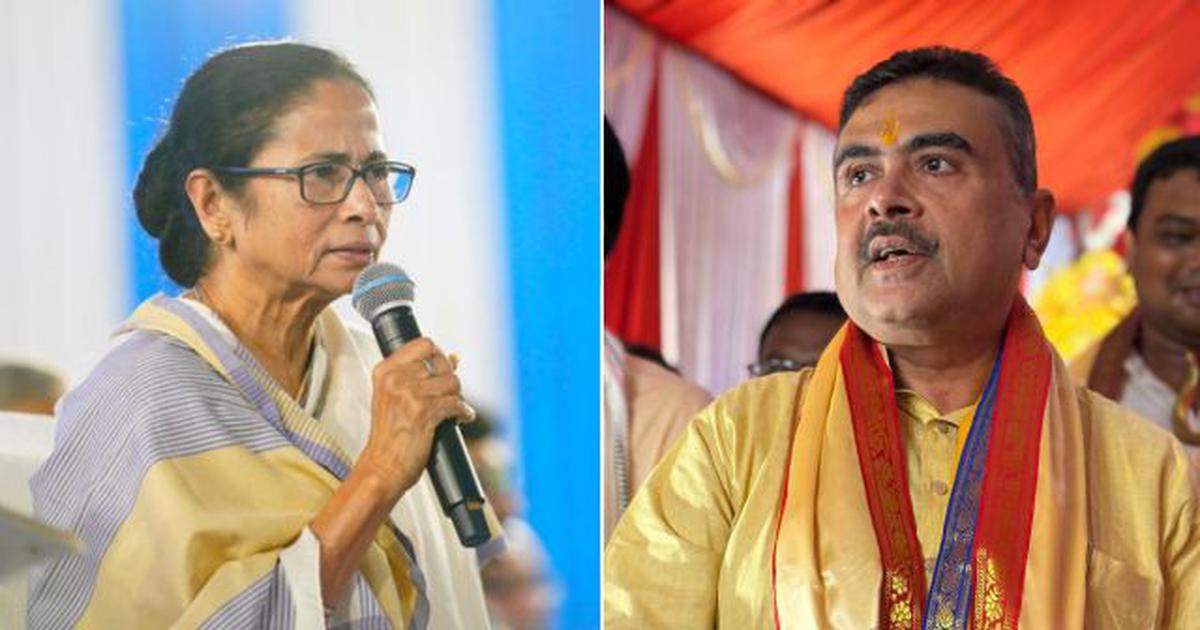
A recent analysis conducted by the Kolkata-based Sabar Institute has revealed alarming statistics regarding the deletion of voters in the Bhabanipur constituency of West Bengal. The report indicates that over 40% of the voters removed during the special intensive revision of electoral rolls were Muslims, despite the community representing only around 20% of the local population. This discrepancy has raised eyebrows, especially in the context of the upcoming Assembly elections in which Chief Minister Mamata Banerjee is set to defend her seat against Bharatiya Janata Party’s (BJP) Suvendu Adhikari.
The study examined the reasons behind voter deletions, which included factors such as absence, relocation, death, or duplicate entries. Surprisingly, the percentage of Muslim voters falling into these categories was consistent with their overall demographic representation, standing at 22.7%. However, the research highlighted a troubling trend: Muslim voters accounted for a stark 40.1% of those eliminated from supplementary lists post-adjudication. This raises serious questions about the criteria employed during this electoral process.
The Sabar Institute pointed out that many deletions stem from seemingly trivial issues, such as minor spelling errors in names or arbitrary judgments regarding familial relationships, like having ‘too many siblings.’ Such vague criteria have led to the exclusion of a significant number of voters, prompting fears of systemic bias against the Muslim community. The findings have triggered widespread criticism from various political quarters, who see these deletions as a possible tactic to manipulate voter demographics ahead of the elections.
This situation is particularly noteworthy in Bhabanipur, a constituency that has seen Mamata Banerjee, the Trinamool Congress (TMC) leader and Chief Minister, at its helm. As she prepares to go head-to-head with BJP’s Suvendu Adhikari, the implications of these findings could play a crucial role in shaping the electoral landscape. The TMC has historically garnered support from diverse communities, but such significant voter deletions could skew the dynamics in favor of the opposition.
The Election Commission’s preliminary “final” list of voters was released after a special revision process, which has come under scrutiny for its methodology. Critics argue that the high percentage of deletions among Muslim voters signals potential disenfranchisement, raising concerns about the integrity and fairness of the electoral process. As the Assembly elections approach, it remains to be seen how these developments will influence voter sentiment and turnout in Bhabanipur.