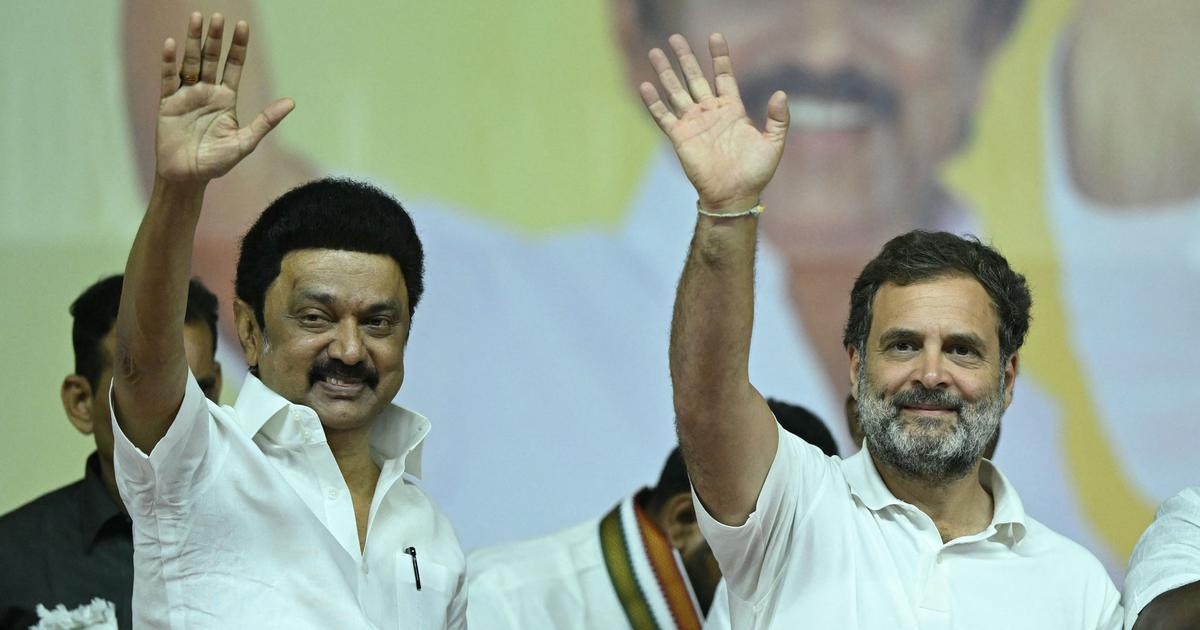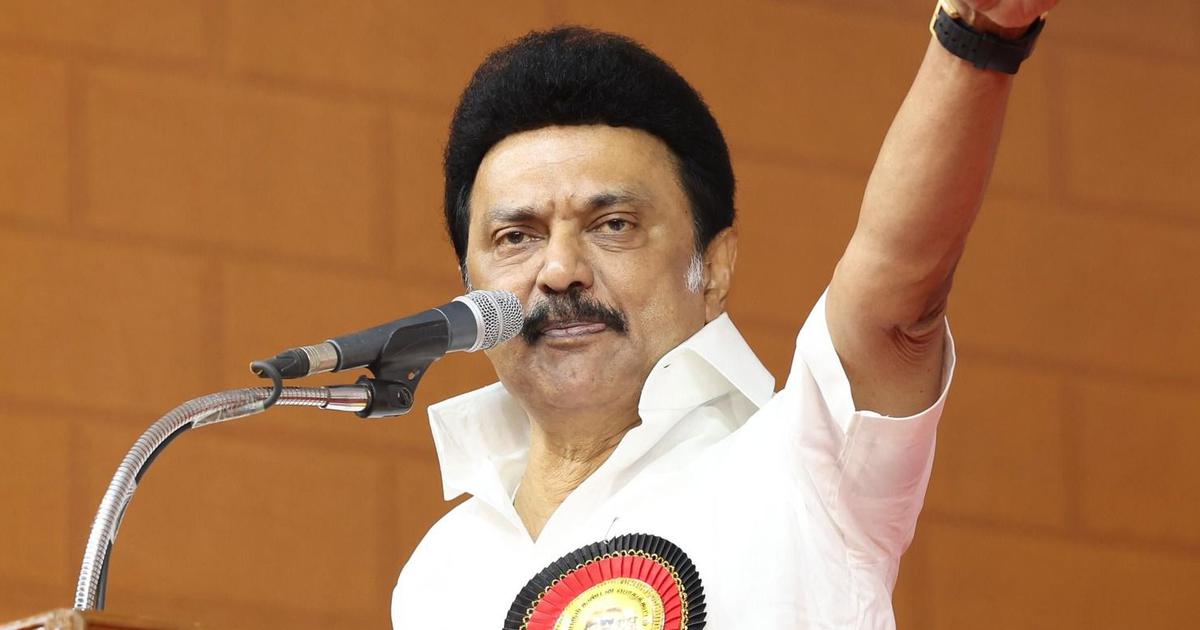
The Dravida Munnetra Kazhagam (DMK) has announced its decision to abstain from the upcoming meeting of the opposition coalition, known as the INDIA bloc, scheduled for June 8. This decision stems from a perceived ‘betrayal’ by the Congress party, which has been a longstanding ally of the DMK in Tamil Nadu politics. Party officials indicated that the sentiments of their cadre played a significant role in this decision, as many felt disheartened by the Congress’s recent actions.
The rift between these two parties became particularly pronounced after the Congress extended its support to the newly formed Tamilaga Vettri Kazhagam government, led by actor Vijay. This move has been viewed by DMK leaders, such as TR Baalu, as a betrayal of the voters who had supported Congress in previous elections. Baalu’s remarks underscore a growing frustration within the DMK regarding the Congress’s shifting alliances and decisions that could undermine their joint political efforts in the state.
Notably, the Congress’s involvement in the Tamil Nadu cabinet marks a significant moment in the state’s political history, as it is the first time in nearly six decades that the party has held a cabinet position. Two Congress MLAs, S Rajesh Kumar and P Viswanathan, were inducted into the state cabinet on May 21, further complicating the alliance dynamics in Tamil Nadu. The DMK’s dissatisfaction with this development was palpable during recent party discussions, leading to the firm decision to skip the upcoming meeting where Congress will be present.
This situation highlights the fragile nature of political alliances in Indian politics, particularly in Tamil Nadu, where party loyalty and grassroots sentiments can shift dramatically. The DMK’s choice to withdraw from the meeting reflects a commitment to its base, prioritizing their sentiments over broader coalition strategies. The repercussions of this decision may be felt not only within the DMK and Congress but also across the broader opposition landscape as the parties gear up for future electoral battles.
As the political landscape in Tamil Nadu evolves, observers will be keenly watching how this rift impacts the relationship between the DMK and Congress. With the upcoming elections, the DMK’s stance suggests a potential recalibration of alliances and strategies that could shape the future of governance in the state. The INDIA bloc must now navigate this challenge as it seeks to maintain unity in the face of internal dissent.