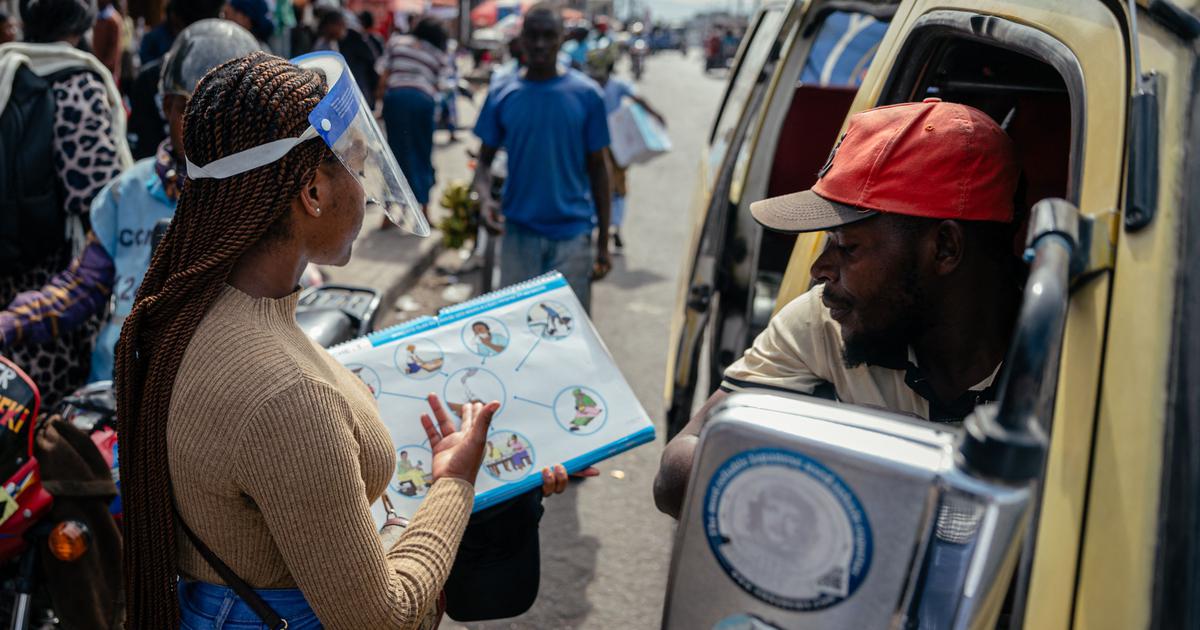
The recent Ebola outbreak in the Democratic Republic of the Congo (DRC) is raising alarms globally as it quickly escalates into one of the largest in recorded history. With the first case of the rare Bundibugyo strain identified on April 24, health authorities are on high alert. Just a few weeks later, on May 17, the World Health Organization (WHO) declared the situation a ‘Public Health Emergency of International Concern’, underscoring the urgency of the matter.
As of May 27, there have been 906 suspected cases of Ebola in the DRC, leading to 223 fatalities. The outbreak’s impact is not contained within the DRC, as health officials are now investigating suspected cases in Italy and Brazil, both linked to individuals who traveled from the affected regions. Alarmingly, an American citizen has also tested positive for the virus and is currently receiving medical care in Germany. These developments emphasize the potential for the virus to transcend borders, making international cooperation crucial.
Ebola, a rare yet deadly virus, spreads primarily through direct contact with the bodily fluids of those infected, including blood and saliva. Initial symptoms often mimic other illnesses, leading to delayed diagnosis; they typically include sore throat, fever, fatigue, and body aches. In more severe instances, individuals may experience skin rashes, diarrhea, vomiting, and even seizures. This makes the early identification and isolation of cases vital to prevent further transmission.
In response to the outbreak, the Coalition for Epidemic Preparedness Innovations (CEPI) has pledged over A$86 million to expedite the development of three promising vaccines aimed at combating the Bundibugyo strain of Ebola. The swift action by global health entities reflects a concerted effort to mitigate the risk of a larger crisis.
As the situation unfolds, the question on many minds is how far this outbreak could spread and what measures can be taken to safeguard public health. Indian authorities are closely monitoring the situation, given the country’s vulnerabilities due to international travel and trade. Health officials are reinforcing surveillance protocols at airports and enhancing public awareness campaigns to educate people about the symptoms and transmission of Ebola.
While the present outbreak is alarming, it also highlights the importance of global solidarity in the face of health crises. Historical data shows that previous outbreaks have been managed effectively through rapid international collaboration and resource allocation. With vigilance and preparedness, there remains hope that this outbreak can be contained before it escalates further.