Election Commission Reviews BJP Candidate’s Controversial ‘Love Jihad’ Comments in Kerala
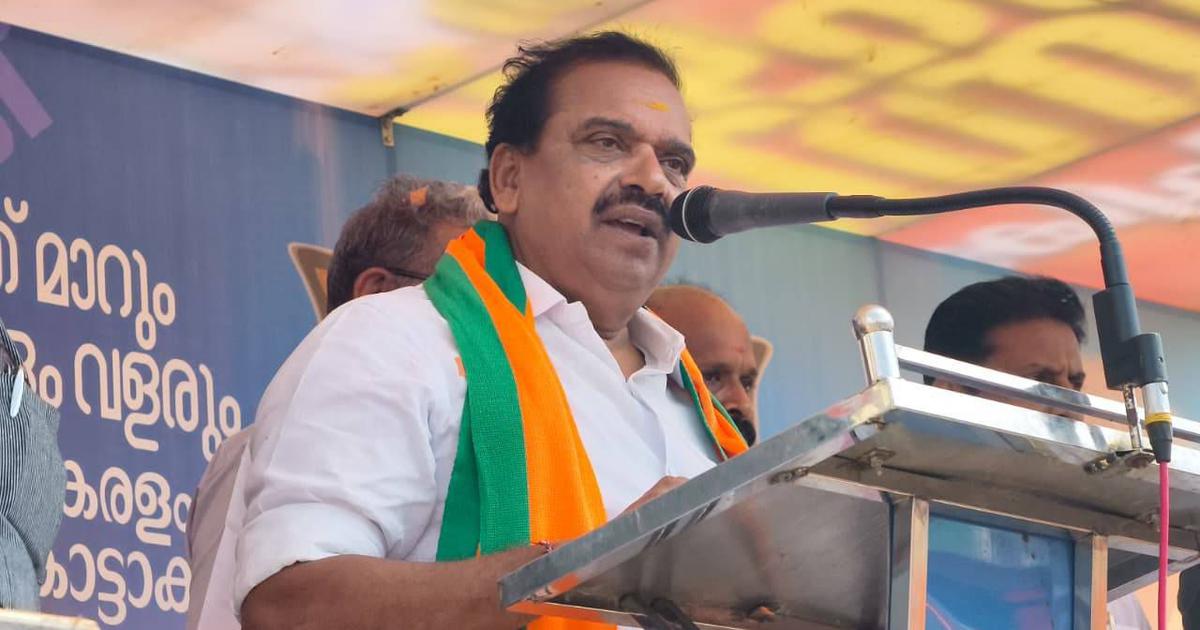
The Election Commission of India (ECI) has directed the Thiruvananthapuram district collector to prepare a report regarding remarks made by Bharatiya Janata Party (BJP) candidate PK Krishnadas. During a recent rally, Krishnadas suggested that the electoral success of the Left Democratic Front (LDF) or the United Democratic Front (UDF) in the Kerala Assembly elections would catalyze incidents of what he referred to as ‘love jihad’ in the state. The ECI is also seeking a legal opinion on this contentious issue.
‘Love jihad’ is a term that has gained traction within certain political narratives in India, positing that Muslim men deliberately engage in romantic relationships with Hindu women to facilitate their conversion to Islam. Despite its widespread usage in political discourse, the Union Home Ministry has clarified in Parliament that there is no legal definition for this term in Indian law.
Kerala’s Chief Electoral Officer, Rathan U Kelkar, confirmed that his office will scrutinize the alleged hate speech made by Krishnadas. At the rally held on Sunday in Kattakada, the BJP candidate expressed concerns that various organizations, including the Social Democratic Party of India and Jamaat-e-Islami, would exert undue influence over a government formed by the LDF or UDF. He implied that Hindu and Christian girls would be particularly vulnerable to recruitment under the guise of ‘love jihad’ for activities deemed anti-national.
Krishnadas articulated his views by stating, “When fronts led by Marxists and Congress come to power, who will actually control the government? It will be Pakistan-friendly anti-national groups.” These comments have prompted a wave of discussions across the state, highlighting the deepening political polarization as Kerala approaches its Assembly elections.
The term ‘love jihad’ has been a source of controversy and debate in India, often perceived as a polarizing issue that inflames communal tensions. Critics argue that such narratives distract from pressing socio-economic challenges and contribute to a climate of mistrust among communities. With elections in sight, remarks like those of Krishnadas are likely to stoke further debate about the implications of identity politics in the region.