Empowering Transgender Lives: The Critical Role of Self-Determination in Education and Employment
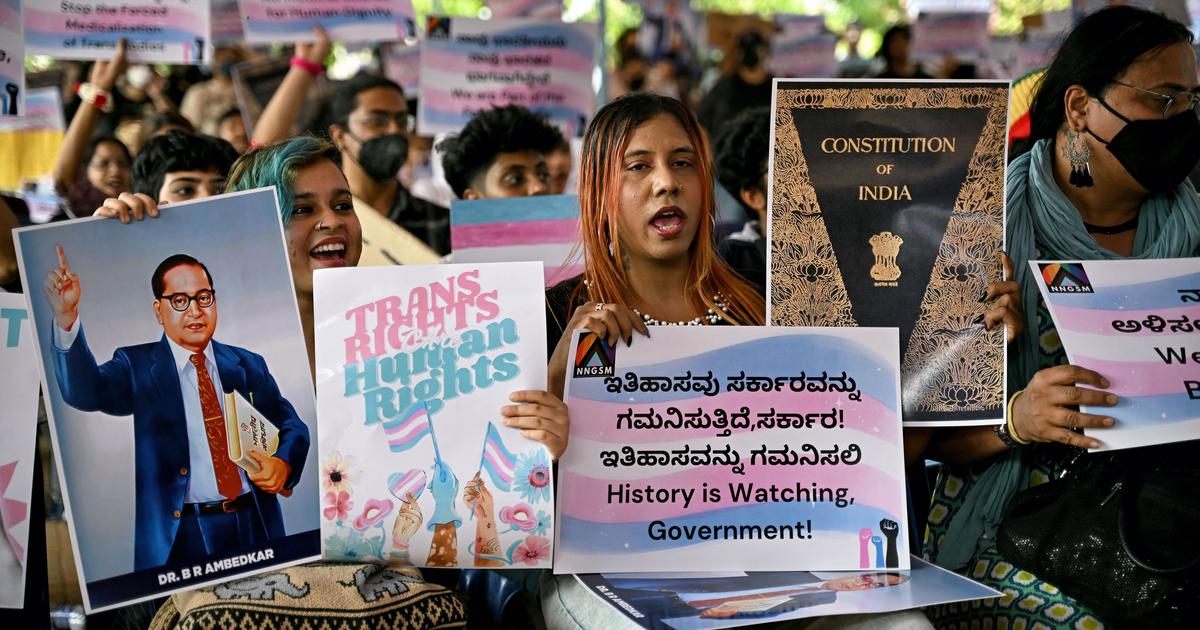
The rich tapestry of gender identities and expressions has a deep-rooted history in the Indian subcontinent. From the hijra community, recognized across South Asia, to the kinnar in northern India, and the nupi-manbi of Manipur, each cultural identity reflects a unique narrative. These communities, including jogappa in Karnataka and aravani in Tamil Nadu, are more than mere labels; they embody a spectrum of identities that have existed long before colonial attitudes sought to impose a rigid binary framework on gender and sexuality.
The colonial era heralded a significant shift in how indigenous cultures perceived gender diversity. The introduction of laws, such as Section 377 of the Indian Penal Code, criminalized same-sex relations among consenting adults and perpetuated the marginalization of queer and transgender identities. This was not an isolated incident; the British colonial government enacted the Criminal Tribes Act in 1871, which categorized certain communities, including transgender individuals, as criminal by birth. Such legal frameworks institutionalized discrimination and invisibility, setting the stage for the systemic challenges faced by these communities today.
Despite these historical setbacks, the struggle for self-determination among transgender individuals has gained momentum in recent years. Activists argue that recognizing the right to self-identify is crucial for enhancing access to education and employment opportunities. When individuals are allowed to define their own gender identity, it fosters greater acceptance and inclusion in societal structures, particularly in education and the workforce.
Self-determination is not merely a matter of personal choice; it has broader implications for economic independence and social status. Transgender individuals are often disproportionately affected by unemployment and lack of educational access, largely due to societal stigma and discriminatory practices. By advocating for self-identification, proponents suggest that it can lead to changes in policies that facilitate better job prospects and educational pathways for transgender individuals.
In a nation that is increasingly acknowledging the rights of marginalized communities, the intersection of self-determination with employment and education presents a pivotal opportunity. It is essential for policymakers to consider how inclusive practices can uplift transgender individuals, thus reinforcing the fundamental tenets of equality and justice. As India continues to evolve, embracing the diversity of its gender spectrum is not only a moral obligation but also a pathway towards a more equitable society.