In a dramatic escalation of hostilities in West Asia, Israel launched a strike on Iran’s South Pars gas field on Wednesday, marking a significant turning point in an already volatile region. This act of aggression was swiftly followed by Iran’s retaliatory attack on Qatar’s Ras Laffan plant, the largest liquefied natural gas (LNG) facility globally, which supplies around 20% of the world’s LNG. The ramifications of this conflict are poised to reverberate across the globe, particularly impacting countries like India that rely heavily on LNG imports.
The Ras Laffan facility’s damage is projected to substantially diminish Qatar’s export capabilities by approximately 17%. Experts estimate that the repairs could stretch over five years, meaning that the immediate fallout could sharply affect the availability of LNG in the international market. For India, which sources half of its LNG from Qatar, the stakes are exceptionally high. The implications are not just economic; they also touch on the fabric of daily life for millions of Indians who depend on LNG for cooking, transportation, and industrial purposes.
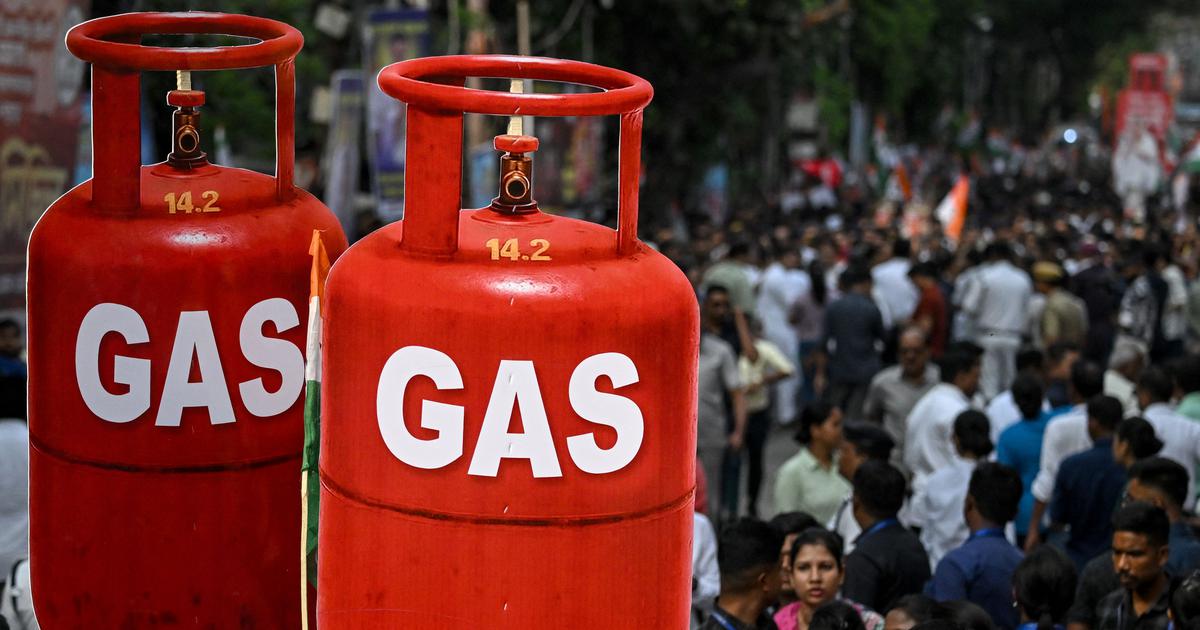
Purva Jain, South Asia’s Lead Energy Specialist at the Institute for Energy Economics and Financial Analysis, warns of potential supply shortages that could lead to soaring prices for LNG in India. With the backdrop of recent energy supply disruptions due to the closure of the Strait of Hormuz, the stakes have escalated. The initial signs of this crisis manifested with a liquefied petroleum gas shortage that left many citizens scrambling for cooking gas cylinders, highlighting just how precarious the situation has become.
India’s energy landscape is undergoing a challenging transformation as it grapples with these emerging threats. The nation’s dependence on imported energy sources makes it particularly vulnerable to geopolitical shifts. As the conflict unfolds, policymakers in India are likely to face tough decisions regarding energy sourcing and pricing, which could have lasting impacts on the economy.
Moreover, while the immediate concern is the availability of LNG, the broader picture reveals a potential shift in India’s energy strategy. The country may need to reconsider its energy partnerships and explore alternative sources to mitigate the risks associated with regional conflicts. Ensuring energy security will be paramount as the landscape continues to change, and India must tread carefully in navigating its diplomatic relations while safeguarding its energy needs.